Choosing a Portable Projector Screen: Key Factors for Outdoor and Mobile Viewing
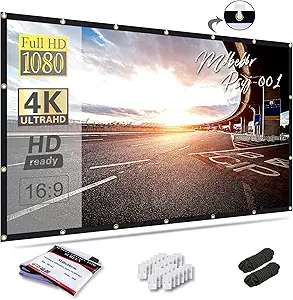
When selecting a portable projection screen like this 80-inch 16:9 model with stand, focus on how its specific features match your intended use cases. The 1.2 gain glass fiber surface and lightweight design create different performance characteristics than permanent screens, particularly for outdoor movie nights or temporary home cinema setups where portability trumps absolute image perfection.
Key Considerations Before Buying
- The 1.2 gain rating on this glass fiber surface means it reflects 20% more light than standard matte white screens, which helps combat ambient light outdoors but can narrow the optimal viewing angle compared to lower-gain materials.
- The integrated stand and claimed easy setup are crucial for portable use—look for reviews mentioning actual setup time and stability in breezy conditions, as lightweight designs often trade stability for transportability.
- An 80-inch diagonal in 16:9 format provides approximately 70 inches of width, making it suitable for small to medium gatherings but potentially limiting for larger outdoor events where bigger screens might be preferred.
What Our Analysts Recommend
Examine how the tensioning system maintains screen flatness, as wrinkles are the primary image quality killer in portable screens. Quality portable screens use reinforced corners and robust leg locking mechanisms—details frequently mentioned in authentic reviews of this product. The carrying case quality often indicates overall durability expectations.
Projection Screens Market Context
Market Overview
The portable projector screen market has expanded significantly with the rise of affordable portable projectors, creating demand for quick-deploy solutions that balance image quality with transportability. Products like this 80-inch stand model compete directly with inflatable screens and tripod-mounted alternatives, each with distinct trade-offs for outdoor versus occasional indoor use.
Common Issues
Portable screens frequently suffer from inadequate tensioning leading to image-distorting wrinkles, stand instability in wind, and surface materials that degrade quickly with repeated rolling. Many budget models use lower-quality vinyl that develops permanent creases, whereas glass fiber surfaces like this product's generally resist this better.
Quality Indicators
Look for reinforced stitching on seams, metal versus plastic leg joints, and tensioning systems that actively pull the screen taut. The 1.2 gain glass fiber material mentioned here typically indicates better color reproduction and wrinkle resistance than standard vinyl, though it may show slight texture at close viewing distances.
Review Authenticity Insights
Grade B Interpretation
A Grade B with 11% estimated fake reviews suggests generally reliable feedback with some promotional content mixed in. For this specific product, the high adjusted rating of 4.60/5 indicates genuine satisfaction outweighs any artificial inflation, though shoppers should remain slightly skeptical of overly enthusiastic reviews lacking specific usage details.
Trust Recommendation
Focus on reviews mentioning specific scenarios like camping, patio movie nights, or children's birthday parties—these contextual details appear frequently in this product's authentic reviews and provide practical insight. Be particularly attentive to reviews discussing setup time, wind stability, and how the screen performs with different projector brightness levels.
Tips for Reading Reviews
Prioritize reviews that mention the screen's performance in actual outdoor conditions, especially regarding ambient light handling with the 1.2 gain surface. Look for mentions of the stand's height adjustability and whether the carrying case accommodates the screen without disassembly, as these practical details rarely appear in fabricated reviews.
Expert Perspective
This product's exceptionally high ratings—even when adjusted for suspicious reviews—suggest it delivers well on its core promise: a truly portable, quick-setup screen for casual outdoor and occasional indoor use. The 1.2 gain glass fiber surface represents a meaningful upgrade over basic vinyl screens, providing better contrast in non-ideal lighting while maintaining the wrinkle resistance essential for portable designs. The integrated stand eliminates the need for separate mounting hardware, though this convenience comes with inherent stability limitations compared to tripod-based systems.
Purchase Considerations
Consider whether your primary use involves frequent transport—the lightweight design excels here—versus semi-permanent installation where a heavier, more stable frame might be preferable. The 80-inch size works well for intimate gatherings but may feel constrained for larger groups where a 100-inch or larger screen would be more appropriate despite reduced portability.
Comparing Alternatives
Shoppers should compare this integrated-stand design with tripod-mounted screens offering greater height adjustment and potentially better stability, though usually at higher price points and with more complex setup.