ESR Rebound Case: Magnetic Might Meets Slim Trifold for iPad Pro 12.9 & Air 13
When shopping for a case for the latest iPad Pro 12.9-inch or iPad Air 13-inch (M3/M2), you're balancing drop protection against the tablet's slim profile. The ESR Rebound Series aims to deliver both, using a powerful magnetic attachment and a trifold stand that adapts to how you work and watch. This guide helps you evaluate if this case's specific features—like Pencil Pro support and USB-C pass-through—match your daily usage.
Key Considerations Before Buying
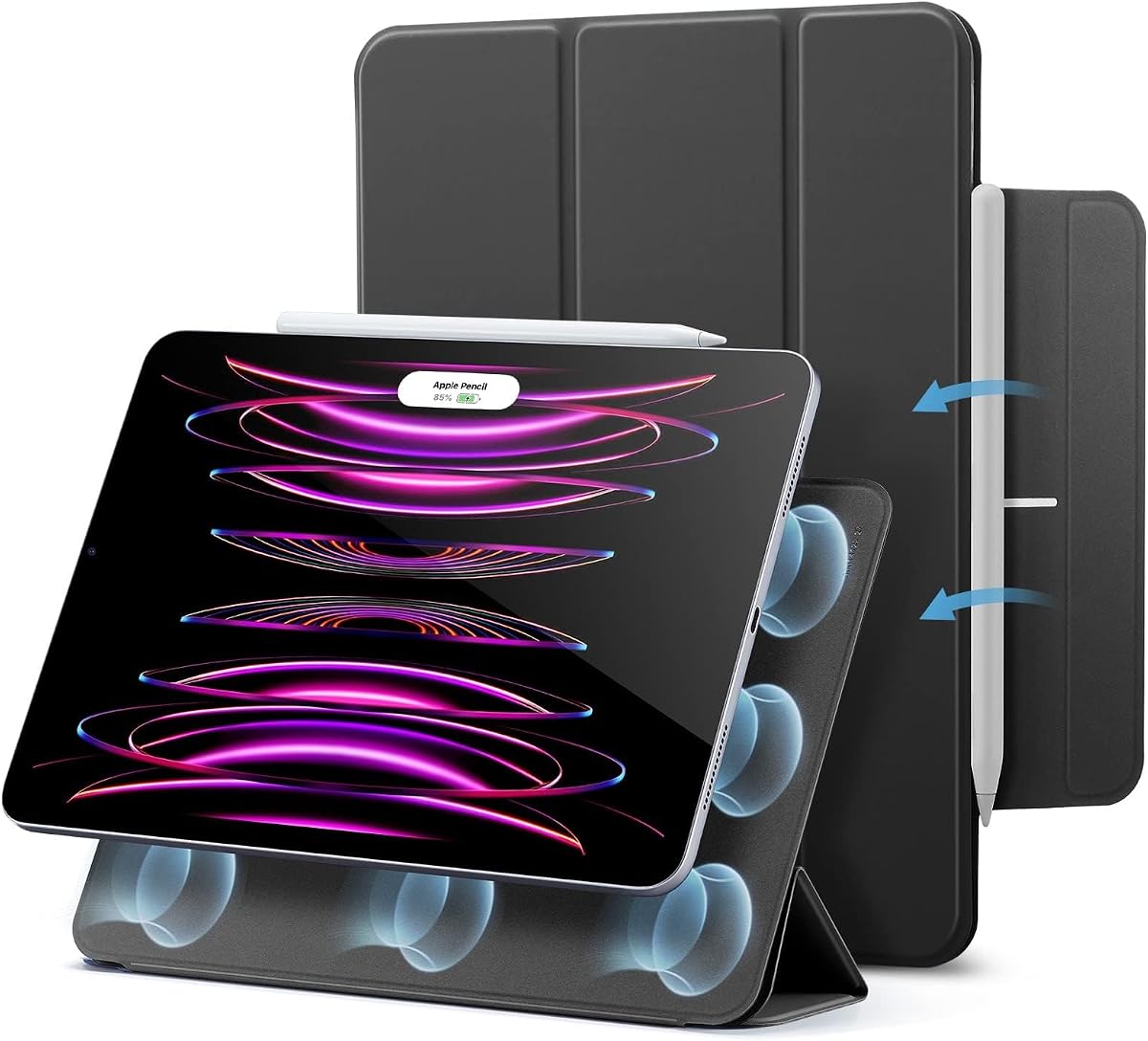
- Magnetic attachment strength: The ESR Rebound relies on a magnetic connection to secure the iPad, which is convenient but may not be as robust as a full wrap-around case. Check if the magnets are strong enough for your typical handling, especially if you carry the iPad by the case or toss it in a bag.
- Pencil Pro and USB-C compatibility: This case explicitly supports the Apple Pencil Pro and USB-C, but verify that the side rail leaves the pencil's magnetic charging area unobstructed and that the USB-C port is accessible without removing the case. If you use a USB-C flash drive or external display, test the pass-through opening.
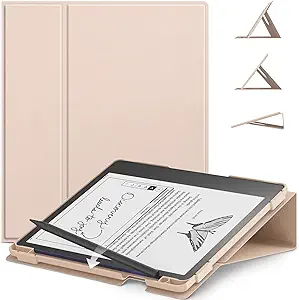
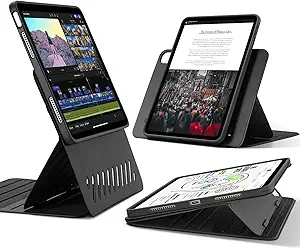
- Stand angles: The trifold stand offers multiple viewing angles, but not all are ideal for drawing or typing. Consider whether the angles align with your primary tasks—like a lower angle for note-taking with the Pencil Pro versus a higher angle for media viewing.
What Our Analysts Recommend
In this category, prioritize cases that balance a slim profile with adequate edge and corner protection. Look for precise cutouts that align perfectly with ports and buttons, and ensure the case's weight doesn't significantly add to the iPad's heft. For magnetic cases, a secure latch or additional grip is a plus if you value drop protection over pure minimalism.
Cases Market Context
Market Overview
The tablet case market for high-end iPads has shifted toward modular and magnetic designs that complement the iPad's sleek aesthetic, with brands like ESR and competitors offering slim trifold and keyboard cases. The focus is on versatility—cases that double as stands and support accessories like the Pencil Pro—while maintaining a lightweight footprint. Consumers increasingly expect cases to be as premium as the device itself, with materials that resist yellowing and maintain grip.
Common Issues
Common problems in this category include weak magnetic connections that fail over time, cases that block the Apple Pencil's charging or pairing, and trifold stands that collapse under pressure. Another frequent complaint is that 'slim' cases offer minimal corner protection, leading to damage on drops, and that cutouts for USB-C ports are too tight for third-party cables.
Quality Indicators
Quality indicators include strong, consistent magnetic alignment, a snug fit that doesn't flex or creak, and a stand mechanism that holds its position during use. Look for cases with reinforced corners or raised lips around the screen and camera, and materials with a soft-touch finish that resists fingerprints. Also, check for user reports of long-term durability after months of use.
Review Authenticity Insights
Grade B Interpretation
The Grade B and 12.00% estimated fake review percentage suggest that while the majority of the 32,792 reviews are genuine, a notable slice may be incentivized or overly positive. This means the 4.89/5 average is likely inflated, and the adjusted rating of 4.60/5 is a more realistic baseline for what you might experience. The authenticity grade indicates that you can trust the overall sentiment but should look for detailed reviews that mention specific pros and cons.
Trust Recommendation
Given the 12% fake review rate, I recommend focusing your reading on reviews with 3- or 4-star ratings, as these often reveal real-world limitations like magnet strength or stand stability. Also, prioritize reviews that mention using the case for several months, as they provide insight into long-term wear. Ignore reviews that use generic praise without specific details about the case's features.
Tips for Reading Reviews
When reading reviews for this case, search for terms like 'magnet,' 'stand,' 'Pencil,' and 'fit' to find targeted feedback. Look for verified purchase badges, but also check if the reviewer mentions other cases they've tried for comparison. Be wary of reviews that are overly brief or use language that sounds promotional, and cross-reference any claims with photos or videos if available.
Expert Perspective
The ESR Rebound Series case appears to be a solid choice for iPad Pro 12.9 and iPad Air 13 users who prioritize a slim, magnetic design with a functional stand. The high volume of positive reviews, even with a 12% fake rate, indicates that most buyers are satisfied with the product's build and performance. However, the adjusted rating of 4.60 suggests that some users have encountered issues—likely related to magnet strength or drop protection—that are worth investigating before purchase.
Purchase Considerations
Weigh the case's lightweight, magnetic convenience against your personal drop risk. If you frequently use the iPad on the go or in unpredictable environments, you might prefer a case with more robust corner coverage, even if it's less sleek. Also, consider whether the trifold stand's angles are sufficient for your primary use cases, and ensure the Pencil Pro charging works seamlessly with the case in place.
Comparing Alternatives
While the ESR Rebound is a strong contender, you should compare it with similar magnetic cases from brands like Zugu, Apple's own folio, or other ESR lines that offer different trade-offs in protection and weight. Prices and features vary, so a side-by-side comparison based on your specific needs will help you make the best decision.