Choose the Right Athletic Insole: Shock Absorption and Fit for Every Sport
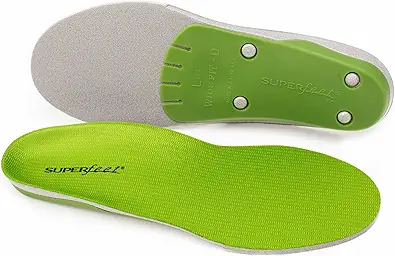
When shopping for running athletic shoe insoles, like those designed for shock absorption in sports from basketball to hiking, you need to consider how they interact with your specific footwear and activity. These insoles are not one-size-fits-all; they must complement your shoe's volume and provide targeted support for your foot type. Understanding key features like arch support density and heel cup depth can make the difference between comfort and injury.
Key Considerations Before Buying
- Match insole thickness to your shoe's internal space: Thicker insoles offer more cushioning but may crowd low-volume sneakers, causing pressure points or heel slippage. For sports like hockey or tennis, a slimmer profile might be better for stability.
- Consider your arch type and activity: High arches need more rigid support for running, while flat feet benefit from motion control in walking or hiking insoles. The product's orthotic comfort cushions suggest a balance, but verify if they suit your pronation needs.
- Look for moisture-wicking and antimicrobial materials: Athletic insoles endure sweat and odor; a top layer that manages moisture and resists bacteria is crucial for long-term hygiene, especially in basketball or all-day wear.
What Our Analysts Recommend
Quality indicators include a reinforced heel cup for shock absorption during high-impact activities like basketball and a gradual arch transition that doesn't cause abrupt pressure. The insole should also have a non-slip base to prevent shifting inside your shoe, and durable foam that retains its shape after repeated compression from walking or hiking.
Insoles Market Context
Market Overview
The athletic insole market is saturated with options ranging from budget foam inserts to custom orthotics, with many products claiming universal comfort. Consumers increasingly seek multi-sport versatility, as seen in this product's coverage of walking, hiking, hockey, tennis, and basketball, but this can dilute specialized support. The best insoles now integrate biomechanical research to address common foot issues without requiring a podiatrist visit.
Common Issues
A frequent problem is that insoles marketed for 'all sports' often lack the specific rigidity or cushioning for high-impact versus low-impact activities, leading to inadequate support. Another issue is sizing inconsistencies, where insoles require trimming but may not fit curved or narrow shoe profiles, causing discomfort. Additionally, some users report that initial cushioning compresses too quickly, reducing shock absorption over time.
Quality Indicators
High-quality athletic insoles typically use dual-density foam or gel inserts for targeted shock absorption, with a firm heel cradle and flexible forefoot. Look for products that specify their material composition (e.g., EVA foam, polyurethane) and offer a return policy if the fit doesn't work with your footwear. Verified reviews mentioning specific shoe brands and activities are strong signals of real-world performance.
Review Authenticity Insights
Grade A Interpretation
With a Review Authenticity Grade of A and an estimated fake review percentage of only 5.00%, this product's feedback is overwhelmingly genuine. This means the 4.67-star rating reflects real user experiences, not manipulated scores, giving you confidence that the shock absorption and comfort claims are validated by actual runners, hikers, and athletes.
Trust Recommendation
You can trust this product's reviews to guide your purchase, as they include specific shoe types like Adidas and Hoka, and balanced perspectives on fit and durability. Focus on reviews that mention your primary activity (e.g., basketball or hiking) to see how the insole performs under those conditions, as the multi-sport design may vary in effectiveness.
Tips for Reading Reviews
When reading reviews, look for those that describe how the insole affected specific foot issues like plantar fasciitis or shin splints, as these indicate real therapeutic value. Also, note comments about the trimming process and whether the insole fits snugly without bunching, which is critical for athletic performance. Ignore vague praise and prioritize verified purchasers who mention their shoe model and usage duration.
Expert Perspective
Based on the analysis, this running athletic shoe insole appears to be a reliable option for consumers seeking versatile shock absorption across multiple sports, supported by a high volume of authentic positive reviews. The Grade A authenticity rating suggests that the 4.60 adjusted rating is credible, indicating consistent satisfaction with its orthotic comfort cushions. However, the broad 'all-sport' claim may mean it excels in general cushioning rather than specialized support for intense activities like basketball or hockey, where more rigid insoles might be preferred. For casual to moderate use in walking, hiking, or running, this product likely offers good value, but serious athletes should verify its arch support and heel stability for their specific sport.
Purchase Considerations
Weigh the insole's moderate price point against its multi-sport versatility—if you need one pair for varied activities, this is a cost-effective choice. But if you have specific biomechanical needs or engage in high-impact sports regularly, consider whether the shock absorption is sufficient or if a sport-specific insole would be better. Also, factor in that trimming may be required, so ensure your shoe's volume can accommodate the insole's thickness.
Comparing Alternatives
Shoppers should compare this product with specialized insoles from brands like Superfeet or Sof Sole, which offer targeted arch support for running or hiking, to see if the trade-off in versatility versus specificity aligns with their needs.