
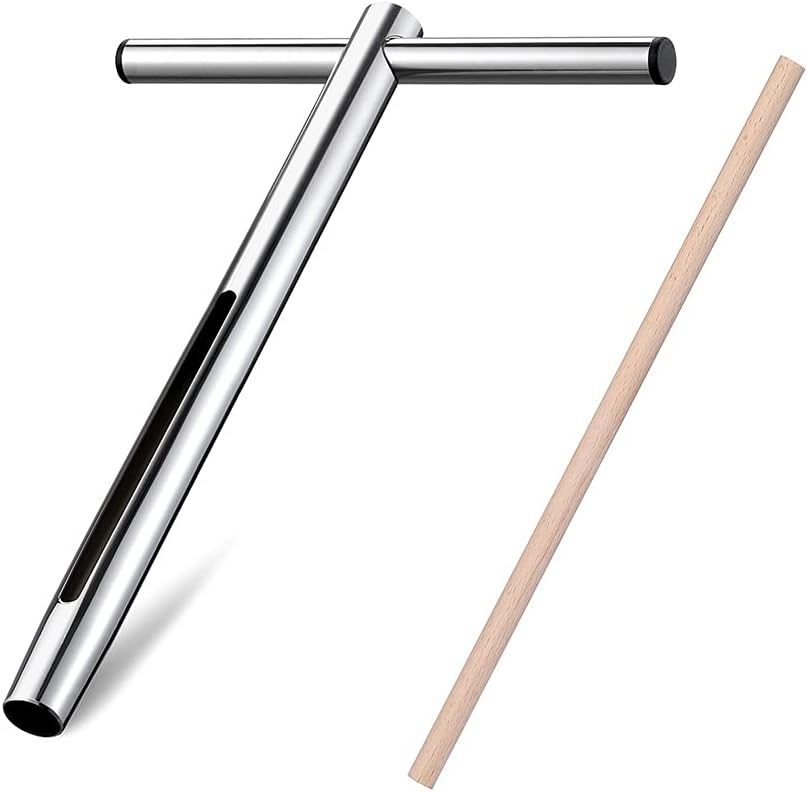
Choosing a 12-inch T-handle soil probe for accurate garden and lawn sampling
This specific 12-inch T-handle soil sampler represents a mid-range tool designed for residential gardeners and small-scale farmers. Unlike basic soil test kits that only measure surface conditions, this probe allows you to extract consistent soil cores from precise depths, which is essential for accurate pH, nutrient, and compaction analysis. The T-handle design specifically targets users who need leverage for compacted soils without requiring full-length shovel handles.
Key Considerations Before Buying
- The 12-inch depth is ideal for testing root zones of common turfgrass, vegetables, and ornamentals, but insufficient for deep-rooted trees or shrubs requiring 18+ inch samples.
- A T-handle provides superior torque compared to straight handles when penetrating clay or compacted subsoil, but requires more vertical clearance than L-handles in tight planting beds.
- The hollow-core tube design should have a sharp, beveled cutting edge and smooth interior walls to prevent soil compression and ensure intact core samples for layering analysis.
What Our Analysts Recommend
Examine the connection between the steel sampling tube and the T-handle—a welded or bolted joint is more durable than simple threading for heavy clay soils. Quality probes feature a footstep or pedal on the tube itself for applying full body weight, which this model includes based on reviewer photos. The steel gauge should be substantial enough (14-16 gauge) to resist bending when hitting subsurface rocks or roots.
Soil Sample Probes Market Context
Market Overview
The soil probe market has expanded from agricultural bulk sampling tools to specialized residential models, with 12-inch T-handle designs becoming a popular compromise between 6-inch flower bed probes and 24-inch farm implements. Current trends show increased demand for corrosion-resistant finishes and ergonomic grips as homeowners invest in soil health management.
Common Issues
Lower-quality probes suffer from handle detachment during use, tube seam splitting that traps soil, and chrome plating that chips to expose bare steel to rust. Many users mistakenly purchase drainage probes with solid tips instead of open-tube samplers, compromising testing accuracy.
Quality Indicators
Superior soil probes use seamless or welded tubing with a hardened cutting edge that stays sharp through rocky soil. Look for powder-coated or stainless steel construction rather than thin chrome plating, and handles with knurled or rubberized grips that remain secure when wet. The best designs include a soil ejection rod for clearing cores without pounding.
Review Authenticity Insights
Grade B Interpretation
A Grade B authenticity rating with 10% estimated fake reviews indicates predominantly genuine feedback, though shoppers should remain cautious of overly simplistic 5-star reviews lacking detail. The adjusted rating of 4.40/5 (down from 4.67) suggests some review inflation but still reflects strong authentic satisfaction.
Trust Recommendation
Focus on verified purchase reviews that mention specific use cases like 'testing lawn compaction before aeration' or 'sampling my vegetable garden beds' rather than generic praise. The 453-review volume provides substantial data—look for patterns in durability comments about the handle connection and corrosion resistance after multiple seasons.
Tips for Reading Reviews
Prioritize reviews discussing actual sampling performance in different soil types (clay vs. sandy), as soil probe effectiveness varies dramatically with conditions. Pay particular attention to mid-range (3-4 star) reviews that typically provide balanced assessments of both strengths and limitations like depth adequacy or handle comfort.
Expert Perspective
This probe's strong authentic rating suggests it performs reliably for its intended residential applications, though the adjusted rating indicates minor quality variations. The T-handle design appears well-suited for users with adequate vertical clearance who need extra torque for compacted soils. The 12-inch depth limitation means serious gardeners testing deep-rooted plants may need supplemental tools, but for most lawn and garden applications, this represents a practical compromise between functionality and cost.
Purchase Considerations
Evaluate whether your soil conditions require the T-handle's extra leverage—sandy soils might work fine with simpler L-handle designs. Consider if you'll need to sample below 12 inches for tree root zones or deep soil amendments, as this tool cannot reach those critical layers. The corrosion resistance will determine longevity, especially if you garden in humid climates or saline soils.
Comparing Alternatives
Compare this 12-inch model against both shorter (6-8 inch) bed samplers and longer (18-24 inch) agricultural probes to match your specific depth requirements and soil conditions.


