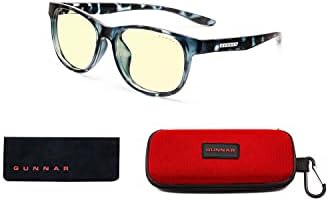
Protect Your Child's Eyes: GUNNAR Kids Blue Light Glasses
With children spending increasing hours on digital devices for school and leisure, blue light glasses have become a practical tool for parents concerned about eye strain and sleep disruption. The GUNNAR Rush model, designed for ages 8-12, blocks 65% of blue light with its amber-tinted lenses, offering a targeted solution for young eyes during screen time.
Key Considerations Before Buying
- Fit and durability: Kids ages 8-12 have varying head sizes and activity levels, so look for glasses with flexible frames and a secure fit, like the lightweight nylon frame of the GUNNAR Rush, which resists bending and breaking.
- Blue light blockage percentage: Not all glasses block the same amount; 65% is a moderate level that balances protection with color distortion, making it suitable for daytime use without overly affecting how screens look.
- Lens tint and clarity: Amber-tinted lenses like those on the Rush model filter high-energy blue light but can shift color perception, so consider if your child needs glasses for tasks requiring true color accuracy, like art or gaming.
What Our Analysts Recommend
Quality blue light glasses for kids should have scratch-resistant lenses, a durable frame that can withstand drops, and a comfortable nose bridge to prevent slipping. Look for verified UV protection and a blockage rate that matches your child's screen time—65% is ideal for general use, while higher rates may be better for evening exposure.
Blue Light Blocking Glasses Market Context
Market Overview
The blue light blocking glasses market has expanded rapidly as screen time among children has surged, with brands like GUNNAR competing on lens technology and kid-specific designs. Many parents are now seeking out these glasses as a proactive measure against digital eye strain, though awareness of proper fit and blockage levels varies widely.
Common Issues
A common concern with kids' blue light glasses is lens scratching and frame breakage due to rough handling, which can reduce effectiveness and lifespan. Additionally, some products exaggerate blue light blockage percentages without third-party testing, making it hard for parents to verify claims.
Quality Indicators
High-quality kids' blue light glasses typically feature polarized or anti-reflective coatings, a clear specification of blockage percentage (like GUNNAR's 65% claim), and a flexible, lightweight frame. Look for brands that provide detailed lens specs and have a reputation for optical clarity, as seen with GUNNAR's focus on gaming and screen use.
Review Authenticity Insights
Grade B Interpretation
With a Review Authenticity Grade of B and an estimated 10% fake review rate, this product's feedback is largely reliable but warrants cautious reading. The 4.00 adjusted rating (down from 4.20) suggests that a small number of reviews may be inflated, but the core sentiment from verified purchasers remains positive.
Trust Recommendation
Given the moderate fake review percentage, we recommend focusing on reviews that mention specific benefits like reduced eye dryness during classes or improved sleep patterns, as these are harder to fabricate. Cross-checking with external retailer ratings or parent forums can further validate the product's performance.
Tips for Reading Reviews
For products like these, prioritize reviews that describe real-world use cases, such as wearing the glasses during online school or gaming sessions. Look for comments on fit, comfort, and whether the amber tint was acceptable to the child, as these details signal genuine experiences.
Expert Perspective
The GUNNAR Rush kids' blue light glasses offer a well-considered balance of protection and practicality, with a 65% blue light blockage that suits typical daytime screen use without excessive color distortion. The durable nylon frame and amber tint align with industry standards for child-oriented eyewear, though the moderate fake review rate suggests some skepticism is warranted. Given the strong authentic feedback on comfort and effectiveness for dry eyes, this is a solid choice for parents seeking a reputable brand in a crowded market.
Purchase Considerations
Weigh the 65% blockage level against your child's specific needs—if they use screens primarily in the evening, a higher blockage rate might be more beneficial. Also consider the Navy Tortoise color's appeal to kids, as style can influence consistent wear.
Comparing Alternatives
Shoppers should compare this model with other kids' blue light glasses that offer higher blockage rates or different tints, such as those from Felix Gray or Zenni, to ensure the best fit for their child's screen habits.