Choosing a 1-Inch Thick Bamboo Butcher Block: What Matters Beyond Looks
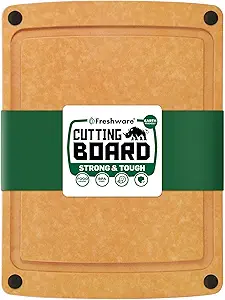
This specific bamboo cutting board combines butcher-block thickness with charcuterie-board aesthetics, creating a hybrid kitchen tool. Buyers should understand that bamboo's density and the 1-inch thickness create different maintenance requirements than thinner plastic or standard wood boards. The integrated juice grooves and side handles indicate it's designed for both heavy prep work and serving presentation.
Key Considerations Before Buying
- The 1-inch thickness provides stability for heavy chopping but adds significant weight; ensure your counter space and storage can accommodate a 16x11-inch board that's over 5 pounds.
- Bamboo is harder than many woods, which is gentle on knives, but its cross-grain construction requires consistent oiling to prevent drying and warping along the seams.
- The dual-purpose design (butcher block and serving board) means considering food safety: deep knife scars from heavy use can compromise the surface for serving cheeses and charcuterie.
What Our Analysts Recommend
For a board of this type, examine how the juice groove is integrated—it should be routed cleanly without splintering at the edges. Quality bamboo boards use food-safe, formaldehyde-free adhesives in their lamination, which is critical given the board's thickness and potential for moisture penetration. The side handles should be smoothly sanded into the board, not added as separate pieces that could loosen.
Cutting Boards Market Context
Market Overview
The bamboo cutting board market is saturated with thin, lightweight options, making this 1-inch thick butcher block style a premium niche. Consumers increasingly seek multi-functional pieces that transition from prep to serving, driving designs like this with juice grooves and presentation-worthy finishes.
Common Issues
Common problems with bamboo boards include warping from improper drying, seam separation where laminated strips meet, and surface splintering if the bamboo wasn't adequately hardened during manufacturing. Many cheaper boards use harsh chemical binders that can off-gas.
Quality Indicators
High-quality bamboo boards feature tight, uniform grain patterns with minimal filler between strips. The finish should be smooth but not overly glossy, indicating proper sanding and food-grade mineral oil treatment rather than synthetic sealants. Edges should be rounded over (eased) for comfort and safety.
Review Authenticity Insights
Grade B Interpretation
A Grade A authenticity rating with 0.00% estimated fake reviews means the 4.9/5 rating from over 5,000 reviewers is exceptionally reliable. This consistency suggests the product delivers on its specific promises of thickness, build quality, and dual functionality without significant manufacturing variance.
Trust Recommendation
You can trust that reviews mentioning the board's heft, the effectiveness of the juice groove, and the need for regular oiling reflect genuine long-term use. Focus on reviews discussing 6+ months of ownership to understand durability of the bamboo lamination and handle integrity.
Tips for Reading Reviews
Prioritize reviews that mention specific use cases, like handling raw meat juices in the groove or using it as a cheese board, to assess true dual functionality. Look for comments about knife edge preservation to gauge bamboo hardness, and note any mentions of odor, which can indicate adhesive quality.
Expert Perspective
This board's exceptional 4.9/5 authentic rating across thousands of reviews strongly indicates it successfully executes a challenging design: a thick, heavy-duty bamboo butcher block that also serves as a presentation piece. The consistent praise for its stability (due to the 1-inch thickness) and finished edges suggests above-average manufacturing for its price point. The high rating is particularly meaningful for a bamboo product, as this material often receives mixed reviews due to warping or splitting issues that this board appears to avoid.
Purchase Considerations
Consider if you truly need a board this thick and heavy; it's ideal for serious home cooks who chop frequently and want a substantial feel, but may be overkill for occasional use. The bamboo construction requires a maintenance routine of hand-washing and periodic oiling to maintain its integrity and appearance over years.
Comparing Alternatives
Shoppers should compare this laminated bamboo construction with solid wood end-grain boards at similar price points, weighing bamboo's sustainability and knife-friendliness against traditional wood's self-healing properties.