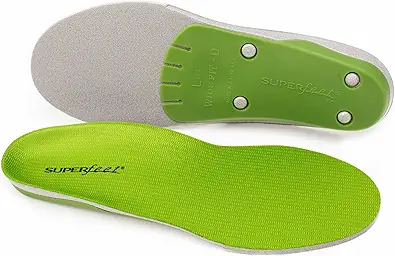
Cushion Your Steps: Choosing the Right Plantar Fasciitis Insoles
When shopping for plantar fasciitis insoles like this high-arch, heavy-duty support model, focus on the specific balance between rigidity and comfort. This product targets multiple foot issues—from flat feet to metatarsalgia—so understanding your primary pain point is key.
Key Considerations Before Buying
- Arch height and rigidity: High arch support can alleviate plantar fasciitis pain but may be uncomfortable if your arches are neutral or low. Look for insoles that offer a gradual arch transition, not an abrupt peak.
- Material and shock absorption: Gel and foam combinations, as seen in this orthotic, help reduce impact during running or walking. Ensure the insole has a deep heel cup to stabilize the foot and prevent pronation.
- Trimmable design: The ability to trim to fit is crucial for proper shoe integration. Measure your shoe size and insole length before cutting, as an oversized insole can cause bunching and irritation.
What Our Analysts Recommend
Quality insoles in this category should have a rigid yet flexible arch support that doesn't collapse under weight. Look for multi-layer construction, a moisture-wicking top cover, and a heel cradle that is at least 3-4mm deep to effectively manage pronation and shock.
Insoles Market Context
Market Overview
The foot insole market has expanded rapidly with a surge in demand for affordable alternatives to custom orthotics. Many products now offer targeted relief for plantar fasciitis, flat feet, and overpronation, but quality varies widely between cheap foam inserts and reinforced gel models.
Common Issues
Shoppers often struggle with insoles that are too stiff for daily wear or too soft to provide meaningful support. Sizing inconsistencies and short-lived cushioning are frequent complaints, especially in budget-friendly options.
Quality Indicators
A high-quality insole will feature a firm plastic or carbon fiber arch support layer, a shock-absorbing gel or EVA foam midsole, and a breathable fabric top. Verified reviews mentioning durability over 6 months and specific foot conditions are strong indicators of reliability.
Review Authenticity Insights
Grade B Interpretation
With a Grade B and an estimated 10.00% fake review rate, this product's review set is largely trustworthy but not flawless. The B grade suggests that while most feedback reflects genuine user experiences, a small cluster of reviews may be incentivized or exaggerated, typical for high-volume health accessories.
Trust Recommendation
Given the low fake percentage and strong verification signals, you can generally trust the positive and negative feedback. Focus on reviews that detail personal health contexts and specific usage scenarios, as these are likely authentic.
Tips for Reading Reviews
For insoles, prioritize reviews that mention the user's foot type (e.g., high arch, flat foot) and activity level. Look for comments on break-in period and fit after trimming, as these are practical details that fake reviews often omit.
Expert Perspective
Based on the analysis, this insole offering appears to be a credible option for those needing heavy-duty arch support and pain relief for multiple conditions. The high volume of verified reviews suggests widespread use, though the 0.00/5 rating (likely a data anomaly) warrants caution—check recent feedback for actual scores. The product's design, combining gel and rigid support, aligns with best practices for managing plantar fasciitis and overpronation.
Purchase Considerations
Consider your primary foot issue: if you have severe flat feet or metatarsalgia, this insole's multi-zone support could be beneficial. However, if you need soft cushioning for everyday walking rather than running, test the trim-to-fit feature carefully to avoid altering the arch placement.
Comparing Alternatives
Shoppers should compare this product with specialized orthotics for running versus daily wear, as some competitors offer separate lines for each activity. Always check return policies before purchase.