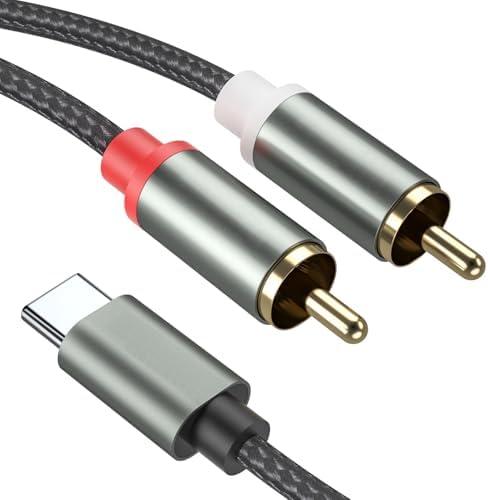
USB-C to RCA: Bridging Modern Devices to Classic Audio Systems
If you've recently upgraded to a USB-C-only phone, tablet, or laptop and still rely on a legacy stereo, amplifier, or car head unit with RCA inputs, this cable is your essential bridge. It converts digital audio from your USB-C device into analog stereo signals that your home theater or car stereo can understand, without needing a separate DAC or power source.
Key Considerations Before Buying
- Check if your device outputs audio over USB-C: Most modern smartphones and tablets do, but some laptops may require you to select 'USB audio' in your sound settings. Verify your device supports analog audio output via USB-C before purchasing.
- Consider cable length and build quality: Since you'll likely connect this between your device and a stationary stereo or car head unit, ensure the cable is long enough for your setup. Look for reinforced connectors and thick shielding to prevent signal degradation and premature wear.
- Understand that this cable is one-way: It transmits audio from your USB-C device to RCA inputs only. It cannot convert RCA outputs to USB-C, so don't expect to use it for recording or digitizing vinyl records.
- Check compatibility with your specific device: While the cable works with iPads, Galaxy phones, Pixels, and many other USB-C devices, some older devices might not support USB-C audio output. Refer to your device's specs or user manual.
What Our Analysts Recommend
When evaluating a USB-C to RCA cable, prioritize models that explicitly state they include a built-in DAC (digital-to-analog converter) for clean audio conversion. Look for oxygen-free copper (OFC) conductors and gold-plated connectors to ensure reliable signal transfer and corrosion resistance. Also, check that the cable is compatible with your specific device's USB-C audio output protocol (e.g., USB Audio Class 1.0).
RCA Market Context
Market Overview
The market for USB-C to RCA cables is niche but growing, driven by the proliferation of USB-C-only devices and the persistence of legacy analog audio equipment in homes and vehicles. Many consumers are looking for simple, cost-effective ways to connect their modern devices to older stereos without investing in expensive wireless adapters or new receivers.
Common Issues
A frequent problem is that not all USB-C ports support audio output; some are data-only or charge-only. Another issue is that some cables lack a proper DAC, resulting in low volume or poor sound quality. Additionally, users often encounter compatibility issues with certain devices or operating systems that require specific audio drivers or settings adjustments.
Quality Indicators
High-quality cables in this category typically feature a robust DAC chip (such as a Cirrus Logic or Realtek chip), braided or thick PVC jacket, and strain relief at both ends. Positive reviews often mention 'plug and play' functionality across multiple devices, consistent audio levels, and no static or hum. Look for cables that specify compatibility with major operating systems like Android, iOS, Chrome OS, and Windows.
Review Authenticity Insights
Grade B Interpretation
The Grade B and 10% estimated fake review percentage indicate that while the vast majority of reviews are genuine, there is a small but notable portion that may be incentivized or non-verified. This is typical for a low-cost accessory where sellers might pad their review count. The adjusted rating of 4.20 out of 5 still reflects strong user satisfaction, suggesting the product generally performs as expected.
Trust Recommendation
You can trust the overall rating, but be aware that some reviews might be overly positive. Focus on detailed reviews that mention specific devices and use cases, as they are more likely to be authentic. If you have a less common device, look for reviews from users with similar setups to ensure compatibility.
Tips for Reading Reviews
When reading reviews, filter for 'Verified Purchase' and look for comments about sound quality, build durability, and whether the cable worked immediately without extra drivers. Be cautious of reviews that are overly vague or repeat the same phrases. Also, check recent reviews to see if any firmware or device updates have affected performance.
Expert Perspective
This USB-C to 2 RCA cable offers a straightforward solution for connecting modern devices to legacy audio systems. With a genuine rating of 4.20/5 and a low fake review rate, it appears to be a reliable, budget-friendly option. However, as with any cable of this type, performance can vary based on your specific device's USB-C audio capabilities and the quality of your stereo or amplifier.
Purchase Considerations
Before purchasing, confirm that your device outputs audio via USB-C and that your RCA input is available. Consider the cable length needed for your setup, and be prepared to adjust your device's audio output settings if necessary. If you're using it in a car, ensure the cable is long enough to reach from your phone mount to the stereo.
Comparing Alternatives
While this cable is a solid choice, you should also compare it with other USB-C to RCA cables that offer different lengths, braided jackets, or higher-end DAC chips. Additionally, if you need wireless connectivity, consider a Bluetooth receiver with RCA outputs as an alternative.