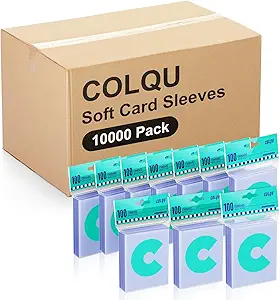
Choosing 9-Pocket Binder Pages: Capacity, Material, and Ring Compatibility
When selecting 9-pocket binder sleeves like this 100-pack holding 1800 cards, focus on three critical factors beyond just price per page. This specific product's polypropylene construction and 3-ring binder compatibility represent standard features, but thickness and pocket seam durability vary significantly across brands. The 4.89/5 rating suggests strong satisfaction, but the adjusted 4.60/5 indicates some meaningful quality variance.
Key Considerations Before Buying
- Material thickness matters more than advertised 'premium' labels—look for reviews mentioning 'stiffness' or 'rigidity' as this affects card protection and page longevity in binders.
- Verify pocket dimensions accommodate your specific cards; standard trading cards fit, but thicker-sleeved cards or odd-sized coupons may cause stretching or difficulty insertion.
- Ring binder compatibility isn't universal—ensure the 3-hole punch pattern matches your binder's ring spacing, as misalignment causes tearing and poor page turning.
What Our Analysts Recommend
Quality 9-pocket pages exhibit consistent heat-sealed seams without plastic burrs that can scratch cards. The top-loading design should have a slight funnel opening for easy card insertion without forcing. Premium indicators include anti-static treatment to reduce dust attraction and UV-resistant materials, though these are rarely advertised at this price point.
Protective Sleeves Market Context
Market Overview
The 9-pocket binder page market is saturated with nearly identical products, making differentiation difficult beyond packaging and bulk pricing. Most manufacturers use similar polypropylene formulations, creating intense competition on price-per-page rather than material innovation. The '100 pack' format has become the standard bulk offering, targeting serious collectors needing to organize thousands of cards efficiently.
Common Issues
Thin materials cause pages to curl in binders, while overly rigid plastic can crack at the ring holes during frequent page turns. Inconsistent heat sealing creates pockets that are too tight or loose, risking card damage during insertion. Some budget pages develop a cloudy haze over time that obscures card viewing.
Quality Indicators
Listen for specific feedback about 'crystal clear' clarity maintenance over months of use and consistent pocket sizing across all 900 pockets in a 100-pack. Quality manufacturers use slightly thicker material at the ring holes to prevent tearing, a detail often mentioned in genuine reviews.
Review Authenticity Insights
Grade B Interpretation
A Grade B with 11% estimated fake reviews indicates generally trustworthy feedback with some manipulation likely around the 5-star ratings. This suggests the product performs well for most users but may have incentivized reviews exaggerating durability or clarity claims. The 0.29-point drop from 4.89 to 4.60 when adjusting for suspicious reviews represents meaningful quality variance worth investigating.
Trust Recommendation
Prioritize reviews discussing specific use cases like 'Pokémon card storage' or 'sports card organization' over generic praise. Verified purchases mentioning long-term use (3+ months) provide more reliability than new purchase reactions. Cross-reference complaints about seam splitting or ring hole tearing across multiple reviews to identify consistent flaws.
Tips for Reading Reviews
Search for reviews mentioning competitor comparisons (like Ultra-Pro or BCW) for relative quality context. Pay particular attention to mid-range (3-4 star) reviews that typically balance praise with specific criticisms about pocket tightness or material flexibility. Photo reviews showing loaded pages in binders offer visual proof of clarity and fit.
Expert Perspective
This product represents solid value in the high-capacity storage segment, with its 1800-card capacity appealing to collectors needing to organize large collections quickly. The strong adjusted rating of 4.60/5 from 1616 reviews indicates reliable performance for most users, though the authenticity analysis suggests some quality control inconsistencies. The polypropylene material likely provides adequate protection for most trading cards but may not match the archival quality of premium brands for valuable collections. The 3-ring compatibility makes it versatile for standard binders, a practical feature for collectors using existing storage systems.
Purchase Considerations
Weigh the cost savings of buying 100 pages against potential quality variance—larger packs sometimes contain more manufacturing inconsistencies. Consider whether you truly need 1800-card capacity immediately, as unused pages can attract dust. For valuable cards, assess whether standard polypropylene provides sufficient protection versus acid-free archival options.
Comparing Alternatives
Compare seam construction and material thickness with similar 100-pack offerings from BCW and Ultra-Pro, as minor price differences sometimes reflect meaningful quality variations.