
Seal the Deal: Key Tips for Choosing an Induction Bottle Cap Sealer
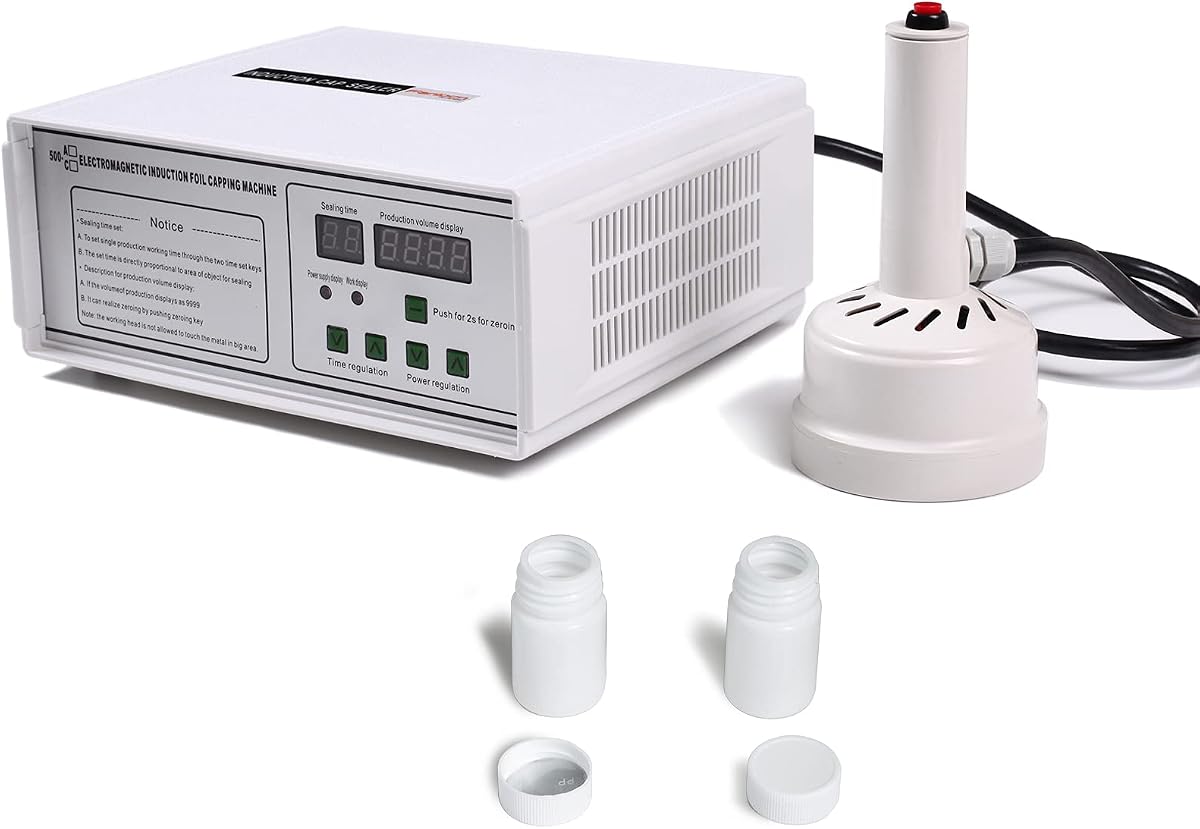
When shopping for an induction bottle cap sealer like this 110v model designed for plastic and glass bottles from 20-100mm, understanding its specific capabilities is crucial. This device uses electromagnetic induction to fuse a foil liner to the bottle rim, creating an airtight, tamper-evident seal. For home-based food businesses or small-scale commercial operations, selecting the right sealer involves more than just checking voltage—it's about matching the coil size and power output to your bottle types and production volume.
Key Considerations Before Buying
- Bottle diameter range is critical: This sealer covers 20-100mm, but ensure your specific bottle necks fall within this range for effective sealing, as mismatched coils can lead to weak seals.
- Voltage compatibility matters: With 110v input, this unit is designed for North American outlets; confirm your workspace has the correct power supply and consider a voltage stabilizer for consistent performance.
- Sealing speed and duty cycle: Induction sealers often require a brief cooling period between cycles; check the manufacturer's recommendations for continuous use to avoid overheating in high-volume production.
What Our Analysts Recommend
Quality indicators for induction sealers include a robust coil that fits snugly around the bottle cap, a clear digital display for setting timer intervals, and a durable housing that withstands repeated use. Look for models with adjustable power settings to accommodate different liner materials and bottle thicknesses, as this flexibility ensures consistent sealing across various container types.
Bag Sealers Market Context
Market Overview
The market for induction heat sealers has expanded significantly with the rise of small-batch food producers, craft breweries, and artisanal product makers who need tamper-evident packaging without investing in large-scale equipment. This category now offers a range of portable, benchtop units that bridge the gap between manual hand sealers and industrial machines, making them accessible for startups and home-based operations.
Common Issues
A frequent challenge with induction sealers is inconsistent sealing due to improper bottle positioning or worn-out coils, which can lead to leaks or failed tamper evidence. Users also report that some units struggle with thick glass bottles or certain plastic chemistries, requiring trial-and-error to find the optimal settings. Additionally, counterfeit or low-quality foil liners can compromise seal integrity, even with a well-functioning sealer.
Quality Indicators
High-quality induction sealers typically feature anodized aluminum coils for better heat dissipation and longer life, along with a built-in timer that allows for precise dwell time adjustments. Look for units with overheat protection and a compact footprint that fits easily into a production line. Positive user reviews that mention specific bottle types and sealing success rates are strong indicators of real-world reliability.
Review Authenticity Insights
Grade B Interpretation
With a Grade B rating and an estimated 10% fake review rate, this product's authenticity is above average but not flawless. The 10% figure suggests that roughly one in ten reviews may be incentivized or fabricated, which is relatively low compared to many consumer electronics categories. This means the majority of the 119 reviews are likely genuine, but you should still approach overly enthusiastic or vague reviews with caution.
Trust Recommendation
Given the high adjusted rating of 4.40/5 and the predominance of verified purchase reviews, you can generally trust the overall sentiment. Focus on reviews that detail specific use cases—like sealing honey bottles or 32 oz containers—as they align with the product's intended applications and provide actionable insights. Be wary of reviews that lack specifics about bottle size or sealing results.
Tips for Reading Reviews
For induction sealers, prioritize reviews that mention the exact bottle types and liner materials used, as these details directly impact performance. Look for users who discuss the learning curve, such as needing to adjust the timer for different cap sizes, and avoid reviews that only praise the product without describing the sealing outcome. Cross-reference any negative feedback about coil durability or overheating with multiple reviewers to identify common issues.
Expert Perspective
This induction bottle cap sealer offers solid value for small to medium-scale operations, backed by a strong adjusted rating of 4.40/5 from a predominantly authentic review base. Its 20-100mm bottle range and 110v compatibility make it a practical choice for US-based producers of sauces, oils, or craft beverages. However, the 10% estimated fake review rate and Grade B authenticity score suggest that while most feedback is trustworthy, a few reviews may overstate performance, so practical testing is recommended. The specific use cases described—like sealing honey bottles—indicate it handles common plastic and glass containers well, but users with unusual bottle shapes or thick glass may need to experiment with settings.
Purchase Considerations
Consider your production volume: if you seal more than a few hundred bottles per session, check the duty cycle to avoid overheating. Also factor in the cost of compatible foil liners, as these are an ongoing expense. If you need to seal bottles outside the 20-100mm range or require continuous operation, this model may not be suitable.
Comparing Alternatives
Compare this sealer with models offering adjustable coil sizes or higher wattage for thicker liners, especially if you work with heavy glass bottles. Products with a wider diameter range or digital presets might better suit diverse product lines.


