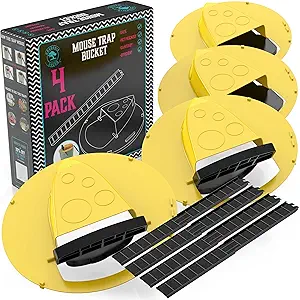
Evaluating Ultrasonic Rodent Repellers: What the OWLTRA OW-5 Claims and What to Verify
The OWLTRA OW-5 promises a 100% silent, humane solution for rodent control using ultrasonic frequencies. As a 4-pack device claiming safety for humans and non-rodent pets, buyers should understand that effectiveness hinges on specific environmental factors and proper placement, not just the technology itself.
Key Considerations Before Buying
- Ultrasonic waves are directional and can be blocked by furniture, walls, or soft materials; the 4-pack format suggests coverage for multiple rooms or a perimeter defense strategy.
- Claims of being '100% silent to humans' require verification, as some users can perceive a faint high-frequency hum, and the effectiveness against rodents can diminish as they habituate to the sound.
- Safety for non-rodent pets like dogs and cats is a key selling point, but it's crucial to note that some pets with sensitive hearing (e.g., rabbits, hamsters, or certain dog breeds) might still be affected.
What Our Analysts Recommend
For ultrasonic repellers, scrutinize the frequency range (typically 25-65 kHz for rodents) and coverage area per unit. Quality indicators include multiple frequency modes to prevent rodent adaptation and proper IP ratings if used in garages or basements where moisture might be present.
Traps Market Context
Market Overview
The ultrasonic pest repeller market is crowded with devices making similar claims, creating a challenge for consumers to identify genuinely effective products. These devices are often purchased as a first-line, non-toxic defense before resorting to traditional traps or poisons.
Common Issues
The most frequent complaints involve inconsistent results, often due to incorrect placement, insufficient unit density for the infested area, or rodents simply becoming accustomed to the constant sound. Overstated coverage claims per unit are a prevalent concern.
Quality Indicators
Look for products that specify technical details like variable or cycling frequencies, sound pressure levels (dB), and a clear, realistic coverage area in square feet. Reputable brands often provide more nuanced guidance on placement relative to obstacles.
Review Authenticity Insights
Grade B Interpretation
A Grade 'U' with a 0.00% estimated fake review rate and zero total reviews means there is no established track record or verified consumer feedback for the OWLTRA OW-5. This represents a complete absence of social proof, making it impossible to gauge real-world performance.
Trust Recommendation
Given the lack of reviews, you must rely entirely on the manufacturer's claims and technical specifications. Pay extra attention to the warranty and return policy, as these will be your primary recourse if the product does not perform as advertised in your specific environment.
Tips for Reading Reviews
For this category, seek reviews that detail the specific rodent issue (mice vs. rats), the environment (apartment kitchen, attic, garage), and the placement of the units. Long-term reviews (2+ months) are more valuable than initial impressions, as they test whether rodents habituate.
Expert Perspective
The OWLTRA OW-5 enters the market as an unknown entity. Its 4-pack offering is a practical approach, as success with ultrasonic devices often requires multiple units to create an effective barrier. However, the complete lack of user reviews (0.00 rating) is a significant red flag, placing all the risk of efficacy testing on the first buyer. In the pest control category, where results are critical, this absence of data is a major drawback.
Purchase Considerations
Consider this product only if you are willing to be an early tester and have a mild or preventative rodent situation. For active, established infestations, starting with an unproven device could allow the problem to worsen. The 'safe for pets' claim is a strong positive, but its core repelling efficacy remains completely unverified by consumers.
Comparing Alternatives
Shoppers should compare the OW-5's specs—like frequency range and coverage per unit—against established models with substantial review histories to assess if its claimed features are competitive.