
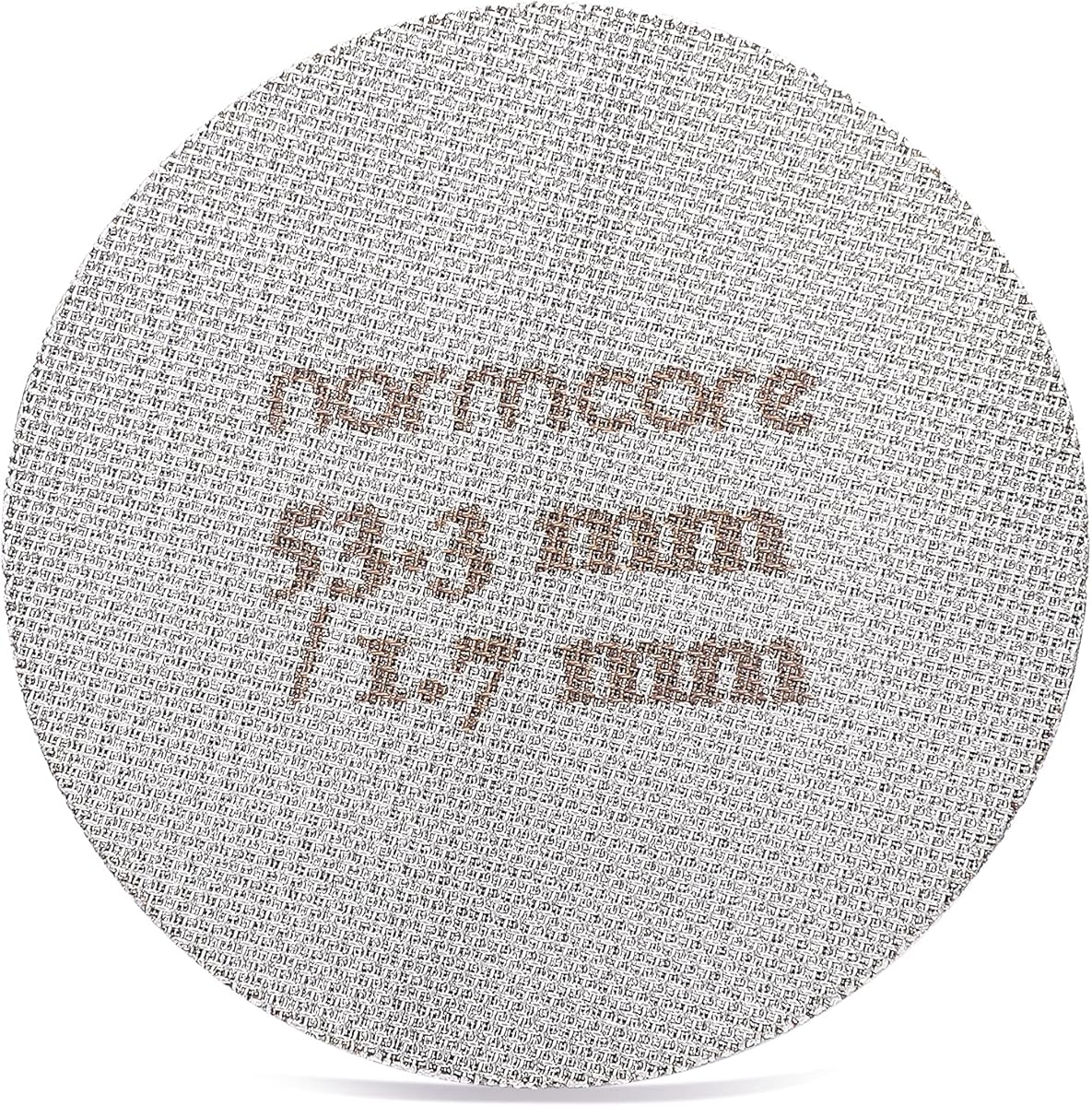
Choosing the Right Puck Screen: Thickness, Fit, and Material Matter Most
For espresso enthusiasts upgrading their 54mm portafilter setup, a lower shower screen like the Normcore 53.3mm model serves a specific purpose: improving water dispersion and reducing puck adhesion. This 1.7mm thick, 150μm mesh screen made from 316 stainless steel represents a precision upgrade over standard machine screens, targeting channeling and cleanup issues common in home espresso.
Key Considerations Before Buying
- The 53.3mm diameter is engineered for a specific fit in 54mm baskets; verify your basket's internal clearance to prevent binding during insertion or removal.
- At 1.7mm thick, this screen adds minimal headspace but requires adjusting your grind or dose slightly compared to thinner paper filters or thicker screens.
- 316 stainless steel offers superior corrosion resistance against coffee acids and high-temperature rinsing compared to lower-grade steels or aluminum alternatives.
What Our Analysts Recommend
A quality puck screen should have a consistently fine mesh (like the specified 150μm) without burrs or sharp edges, and it should lay perfectly flat. The hallmark of good manufacturing is a press-fit that's snug but doesn't require excessive force, indicating precise CNC machining for the 53.3mm dimension.
Coffee Machine Accessories Market Context
Market Overview
The market for aftermarket puck screens has exploded alongside home espresso trends, moving from niche 3D-printed options to precision-machined metal screens. Products now segment clearly by portafilter size (54mm, 58mm), thickness, and material grade, with 316 stainless becoming a benchmark for durability.
Common Issues
Users frequently report screens that are slightly oversized, causing them to jam in the basket, or undersized, which allows coffee grounds to migrate around the edges. Another common complaint is screens that warp over time with routine heating and cleaning cycles.
Quality Indicators
Look for clear specification of the stainless steel grade (316 vs. 304), a precisely stated mesh size in micrometers (not just 'fine'), and a stated thickness. Machined edges and a perfectly circular, laser-cut profile are visual signs of quality control beyond stamped metal.
Review Authenticity Insights
Grade B Interpretation
A Grade B with a 15% estimated fake review rate suggests the vast majority of feedback is genuine, but a notable portion of reviews may be overly promotional. The adjusted rating of 4.50/5 (down from 4.89) is still excellent and likely reflects a more authentic performance assessment.
Trust Recommendation
Prioritize reviews that discuss long-term use over several months, mention specific machine models (e.g., Breville Bambino Plus, Gaggia Classic Pro), or detail the minor workflow adjustments required with this 1.7mm screen. Be slightly skeptical of reviews that don't mention fit, cleanup, or extraction changes.
Tips for Reading Reviews
For technical accessories like this, seek out reviews that mention measurable outcomes—like 'reduced channeling' or 'cleaner group head'—and note any mentions of the 53.3mm fit in their specific basket. Reviews discussing the ease of knocking out the puck post-brew are particularly valuable.
Expert Perspective
The Normcore screen's specifications—53.3mm, 1.7mm, 150μm, 316 Stainless—indicate a product designed for precision rather than as a generic accessory. The high authentic rating (4.50/5) from a large review pool (3362) strongly suggests it delivers on its core promises of fit and function for 54mm systems. Its primary value is in protecting your machine's shower screen from coffee oils and simplifying puck disposal, not radically altering flavor profile.
Purchase Considerations
Weigh this purchase if you value easier cleanup and machine maintenance over absolute cost. Consider whether your routine includes backflushing; a puck screen reduces but doesn't eliminate the need for it. This is a durability and convenience upgrade, not a necessity for pulling good shots.
Comparing Alternatives
Shoppers should compare this specific 1.7mm metal screen against thinner metal screens, paper filters, or combination approaches to manage headspace and extraction differently.


