Choosing a Packable Puffer: Balancing Warmth, Weight, and Weather Resistance
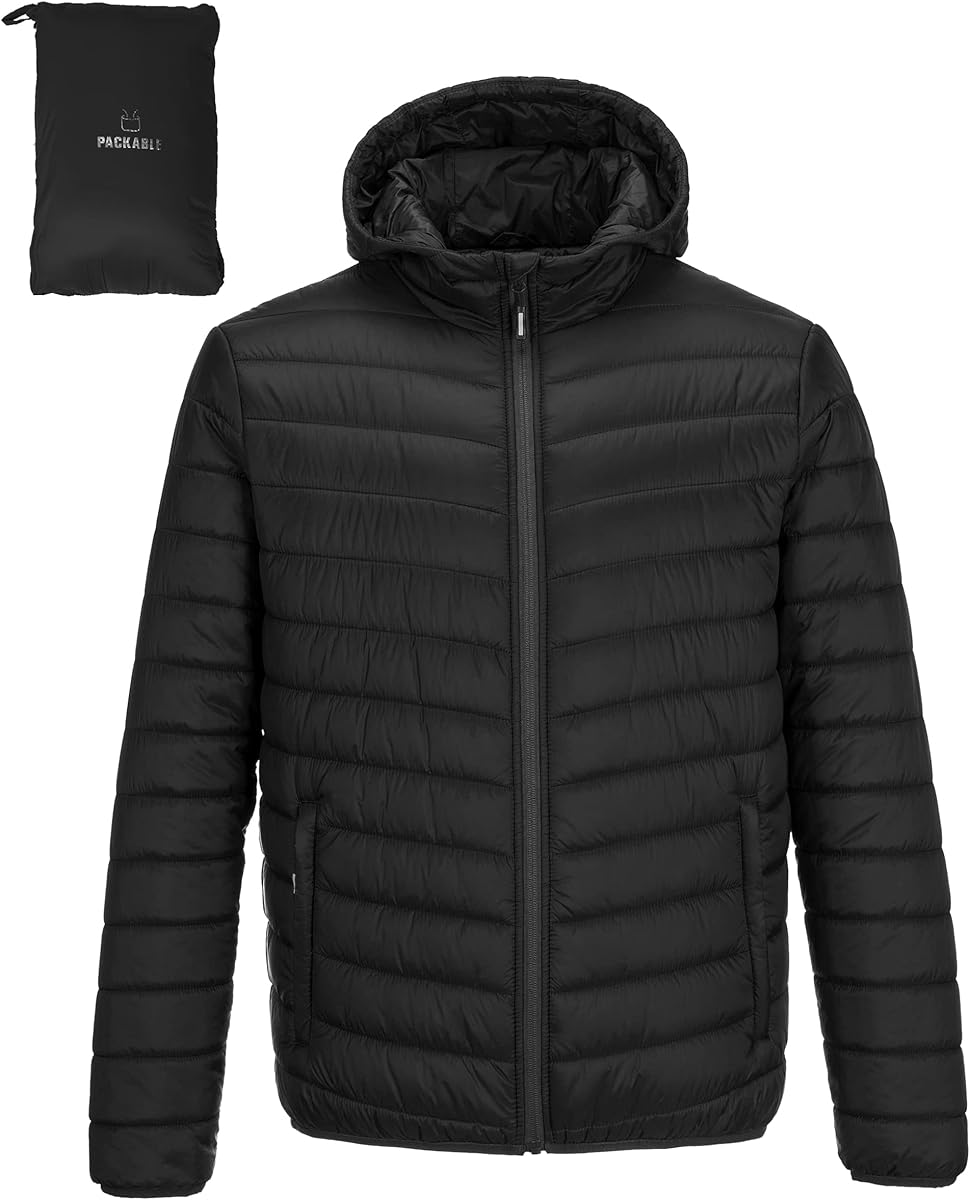
When evaluating the Outdoor Ventures Lightweight Packable Hooded Puffer, focus on its core promise: insulation for active winter use like skiing. This specific jacket uses synthetic down alternative insulation, which prioritizes packability and moisture resistance over the maximum warmth-to-weight ratio of premium goose down. Buyers should assess whether its lightweight construction aligns with their intended temperature range and activity level.
Key Considerations Before Buying
- Insulation Type: This jacket uses down alternative, meaning it retains warmth when damp—a key advantage for skiing or wet snow—but may be bulkier than high-fill-power down for the same warmth.
- Packability vs. Durability: The 'packable' design often uses lighter face fabrics; check if the 20D or 30D nylon shell on this model balances compressibility with snag resistance during travel.
- Fit for Activity: A 'ski travel' jacket should allow layered mobility; look for articulated sleeves and a hem that stays put during movement, not just a standard casual fit.
What Our Analysts Recommend
Examine the stitching along baffles (the quilted sections) for consistency, as poor stitching leads to insulation migration and cold spots. For a hooded winter coat, a well-insulated hood with adjustable drawcords is non-negotiable for wind protection. The quality of the zipper, especially a two-way design for venting, is a reliable indicator of overall construction attention.
Down & Down Alternative Market Context
Market Overview
The lightweight packable puffer market is saturated, with sharp divides between budget-friendly synthetic options like this Outdoor Ventures jacket and premium technical pieces using high-fill-power down. Consumers increasingly seek versatile 'travel' jackets that transition from city to slope, putting pressure on brands to deliver features like packable hoods and secure pocketing at accessible prices.
Common Issues
Common failures in this segment include broken zippers on pack pockets, insulation clumping after repeated compression, and DWR (Durable Water Repellent) coatings that wear off quickly, leaving the shell wicking moisture. Lightweight fabrics are also prone to tearing if snagged on ski lift hardware or backpack straps.
Quality Indicators
Beyond warmth ratings (often overstated), quality is shown in reinforced stress points (armpits, cuffs), smooth zipper garages to protect the chin, and baffle construction that minimizes cold seams. A good packable coat should stuff into its own pocket neatly without excessive force, indicating thoughtful design.
Review Authenticity Insights
Grade B Interpretation
A Grade B with an 11% estimated fake review rate is solid for this category, indicating a majority of genuine feedback but suggesting some incentivized or biased reviews may be present. The adjusted rating of 4.40/5 (down from 4.67) is a more reliable benchmark of true customer satisfaction.
Trust Recommendation
Prioritize reviews that mention specific use cases like 'skiing in 20°F' or 'packed for a week-long trip,' as these contain verifiable details. Be slightly more skeptical of overly effusive 5-star reviews lacking detail, as they may constitute part of the estimated 11%.
Tips for Reading Reviews
For this product, pay special attention to reviews discussing long-term durability (6+ months of use) and performance in actual precipitation, not just cold air. Reviews mentioning 'size compared to brand X' or fabric 'tearing' are high-value for identifying fit and material weaknesses.
Expert Perspective
The analysis data suggests Outdoor Ventures delivers a product that genuinely satisfies most buyers, with a strong adjusted rating of 4.4. The high verification rate of reviews indicates real-world testing across varied conditions, from snow travel to casual winter wear. The product appears to successfully meet its core value proposition: providing adequate insulation and packability at a competitive price point, though likely with trade-offs in premium fabric feel or extreme-weather performance. The authenticity grade reinforces that this is a known entity in the market, not an unknown quantity propped up by fake feedback.
Purchase Considerations
Weigh the importance of maximum packability and wet-weather performance (strengths of synthetic fill) against ultimate warmth for weight and longevity (traditional strengths of down). Consider if your winter activities involve high exertion where moisture management is critical, which favors this jacket's insulation type.
Comparing Alternatives
Shoppers should compare the packed size, stated weight, and hood design of this jacket directly against similar synthetic offerings from brands like Columbia or The North Face's entry-level lines.