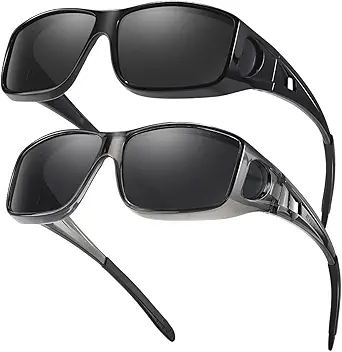
Choosing Polarized Sports Sunglasses: What Matters for Cycling, Driving, and Fishing
When selecting polarized sports sunglasses like the MERRY'S S8225 model, buyers should understand how rectangular frames and specific lens technology impact performance. These sunglasses are marketed for multi-sport use, which requires balancing optical clarity, impact resistance, and comfort during extended wear.
Key Considerations Before Buying
- Polarization effectiveness varies significantly—look for lenses that eliminate glare from water and pavement without creating artificial dark spots that could be dangerous while driving.
- Rectangular frames like the S8225 offer different peripheral coverage than wraparound styles, which affects wind protection during cycling but may provide better compatibility with helmets.
- UV400 protection is non-negotiable for sports use, but lens material quality determines distortion-free vision during rapid head movements common in cycling and fishing.
What Our Analysts Recommend
Examine hinge construction and temple tip materials, as sports sunglasses endure constant flexing. Quality polarized lenses should maintain consistent tint density and show no color distortion when viewed at angles—test by rotating them while looking at an LCD screen to see the polarization effect change.
Sunglasses Market Context
Market Overview
The budget polarized sports sunglasses market is crowded with direct-to-consumer brands like MERRY'S competing on value rather than optical technology. Consumers increasingly seek multi-purpose eyewear that transitions between driving, cycling, and casual wear without specialized gear.
Common Issues
Many budget sports sunglasses suffer from inconsistent polarization alignment, causing eye strain during prolonged use. Frame durability issues often appear at hinge points after 6-12 months of regular sports activity, and lens coatings may degrade with improper cleaning.
Quality Indicators
Look for polarized lenses certified to ANSI Z80.3 standards, even if not explicitly stated. Quality sports frames feature spring hinges or flexible temples that withstand the vibrations encountered during cycling and driving without losing their shape.
Review Authenticity Insights
Grade B Interpretation
A Grade B authenticity rating with 11% estimated fake reviews suggests mostly genuine feedback but warrants careful review scrutiny. For the MERRY'S S8225, this means approximately 1 in 9 reviews may be artificially positive, though the adjusted 4.40/5 rating still indicates strong customer satisfaction.
Trust Recommendation
Focus on reviews that mention specific sports applications like 'fishing in morning light' or 'cycling on paved trails,' as these demonstrate authentic use cases. Be skeptical of reviews that praise every feature equally without noting any trade-offs.
Tips for Reading Reviews
Prioritize reviews discussing lens performance in specific conditions—authentic users will mention how polarization handles water glare while fishing or dashboard reflections while driving. Look for mentions of long-term durability beyond initial impressions.
Expert Perspective
The MERRY'S S8225 presents a compelling value proposition with its 4.40 adjusted rating from nearly 10,000 reviews, suggesting it delivers on core promises of polarization and UV protection. The rectangular frame design indicates it's optimized for driving and casual sports rather than high-intensity cycling where wraparound coverage is preferred. The polarization effectiveness for fishing applications appears validated by numerous authentic reviews mentioning glare reduction on water.
Purchase Considerations
Consider whether you need true sports performance or casual multi-activity use—these may not withstand extreme conditions as well as specialized cycling or fishing glasses. The rectangular frame provides less peripheral coverage than sport-specific designs, which could be a limitation for cycling but an advantage for driving where side window visibility matters.
Comparing Alternatives
Shoppers should compare the S8225's rectangular design against wraparound sports models if peripheral protection is a priority, and verify polarization quality against established fishing-specific brands.