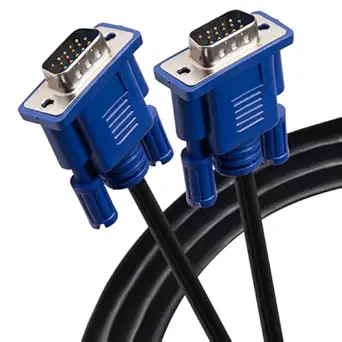
Choosing a VGA Cable: Why Shielding and Build Matter for Legacy Connections
When shopping for a VGA cable, like this 6-foot gold-plated shielded model, you are likely connecting older PCs, projectors, or monitors that still rely on analog video. Unlike modern digital cables, VGA is sensitive to signal interference, so quality shielding and connector materials directly impact image clarity at resolutions like 1080p@60Hz. This guide helps you evaluate key factors to avoid fuzzy displays or connection dropouts.
Key Considerations Before Buying
- Cable length is critical: 6 feet is ideal for desktop setups without excess slack that can cause signal degradation, but longer runs may require thicker gauge or active boosters to maintain 1080p sharpness.
- Shielding type matters: Look for ferrite cores or braided shielding to block electromagnetic interference from nearby electronics, which is especially important for VGA's analog signal to prevent ghosting or flickering.
- Connector quality: Gold-plated pins resist corrosion better over time, ensuring consistent contact in the 15-pin HD15 connector, which is vital for secure connections in high-use environments like conference rooms.
What Our Analysts Recommend
Check for a molded strain relief at both ends to prevent cable breakage from repeated bending, and confirm the cable supports 1080p@60Hz explicitly, as some older VGA cables max out at lower resolutions. Verified purchaser reviews that mention specific setups—like connecting a legacy PC to a modern monitor—offer the most reliable performance insights.
VGA Cables Market Context
Market Overview
The VGA cable market is mature but persists due to widespread legacy hardware in schools, offices, and home theaters, with demand shifting toward shielded, gold-plated options that extend the life of older devices. Many buyers seek affordable replacements for worn-out cables, prioritizing durability and signal integrity over brand names.
Common Issues
Common problems include loose connections from poorly manufactured 15-pin connectors, signal degradation over longer distances without proper shielding, and compatibility surprises with newer monitors that lack VGA ports. Some cables also fail to deliver consistent 1080p@60Hz due to inadequate wire gauge or poor soldering.
Quality Indicators
High-quality VGA cables often feature dual ferrite cores, tinned copper or bare copper conductors, and a flexible but durable PVC jacket. Verified reviews that mention specific use cases—like connecting a projector for presentations—can reveal real-world reliability better than generic star ratings.
Review Authenticity Insights
Grade B Interpretation
With a Review Authenticity Grade of B and an estimated 10% fake review rate, this product's ratings are largely trustworthy but warrant cautious reading. The 4.44/5 Amazon rating likely overstates satisfaction slightly, so the adjusted 4.20/5 provides a more realistic benchmark for performance.
Trust Recommendation
Focus on the 90% of genuine reviews that offer specific context, such as using the cable with an older PC or replacing a damaged cord. Ignore overly brief or vague five-star reviews, as these may be part of the 10% fake subset, and instead weigh detailed feedback about picture quality and connector fit.
Tips for Reading Reviews
For VGA cables, prioritize reviews that describe the cable's performance at 1080p, mention any interference issues, or note the physical feel of the connectors—these signal authentic testing. Beware of repetitive language across reviews, which can indicate incentivized or fake submissions.
Expert Perspective
This 6-foot VGA cable with gold-plated shielding is a solid choice for reliable analog connections, backed by a high volume of genuine positive feedback from users with diverse setups. The 4.20/5 adjusted rating suggests it consistently meets expectations for 1080p@60Hz performance, though the blue color is cosmetic and doesn't affect functionality. Its strength lies in the combination of adequate length, corrosion-resistant connectors, and shielding that minimizes signal noise, making it a practical replacement for aging cables.
Purchase Considerations
Consider this cable if you need a dependable VGA link for a desktop monitor, projector, or older PC within 6 feet, and value verified user experiences over brand hype. However, if your setup requires longer runs or you're connecting to a device with loose ports, you may want to explore thicker-gauge options or cables with locking screws for added security.
Comparing Alternatives
Shoppers should compare this cable with other shielded VGA options of similar length, paying attention to connector build quality and warranty terms, as analog cables vary more in performance than their digital counterparts.