Evaluating KN95 Masks: Fit, Filtration, and Breathability Essentials
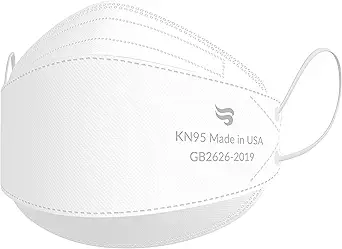
When considering the ChiSip KN95 50-pack, focus on its 5-layer cup design and multicolor options. Unlike flat-fold masks, cup-style KN95s like these maintain their shape better during extended wear but require proper fit testing. The disposable nature means evaluating cost-per-mask value against expected usage scenarios.
Key Considerations Before Buying
- The cup design provides consistent breathing space but may create fit gaps under the chin for some facial structures—check for adjustable nose bridges.
- Five-layer construction should include melt-blown polypropylene filtration layers; verify the manufacturer provides material specifications or NIOSH-equivalent testing data.
- Multicolor options offer personalization but ensure dyes don't compromise material integrity or cause skin sensitivity during prolonged wear.
What Our Analysts Recommend
Examine ear loop elasticity—too tight causes discomfort, too loose compromises seal. Quality KN95s maintain structural integrity when speaking; collapsing cups indicate insufficient support layers. Look for consistent stitching or ultrasonic welding at seams, which affects both durability and filtration efficiency.
Disposable Respirators Market Context
Market Overview
The KN95 market remains crowded with varying quality since FDA emergency use authorizations ended. Cup-style masks like ChiSip's compete with bifold designs, offering different fit profiles. Current pricing reflects increased manufacturing stability but varies significantly by brand reputation and certification claims.
Common Issues
Users frequently report ear loop detachment, nose wire failure, and inconsistent sizing across batches. Some KN95s exhibit filtration efficiency below the claimed 95% standard when independently tested. Breathability complaints often stem from excessive layers or dense filtration materials.
Quality Indicators
Reliable manufacturers provide lot numbers and manufacturing dates. Higher-quality KN95s use spun-bond outer layers for fluid resistance and electrostatic melt-blown middle layers. Check for FDA registration numbers and legitimate GB2626-2019 certification markings.
Review Authenticity Insights
Grade B Interpretation
A Grade B with 11% estimated fake reviews indicates generally trustworthy feedback but suggests some incentivized reviews may exist. The 0.27-point drop from the displayed 4.67 to adjusted 4.40 rating reveals modest review manipulation, common in competitive PPE categories.
Trust Recommendation
Prioritize reviews discussing specific use cases like all-day wear or physical activity, as these provide genuine performance insights. Be skeptical of reviews focusing solely on color variety without mentioning fit or breathability—common in incentivized feedback.
Tips for Reading Reviews
Look for reviews mentioning mask collapse during conversation or fogged glasses—these indicate real-world testing. Verified purchase reviews with photos showing mask interiors or ear loop attachments typically offer more reliable quality assessments.
Expert Perspective
The ChiSip KN95 presents a reasonable value proposition with its 4.40 adjusted rating from 5,357 reviews, suggesting satisfactory performance for most users. The cup design and multicolor options differentiate it from basic KN95 offerings, though the 11% fake review rate warrants cautious evaluation. The high review count with maintained rating indicates consistent manufacturing, a positive signal in disposable respirators where batch variability is common.
Purchase Considerations
Consider your facial structure—cup masks suit some faces better than others. Calculate cost-per-mask against expected usage duration; disposable KN95s typically maintain effectiveness for 8-40 hours depending on environmental conditions. Assess whether multicolor options justify potential price premiums over standard white masks.
Comparing Alternatives
Compare with NIOSH-approved N95s for regulated environments and other KN95 brands with published filtration test results.