Choosing Flat-Folding Reading Glasses: Portability vs. Durability Considerations
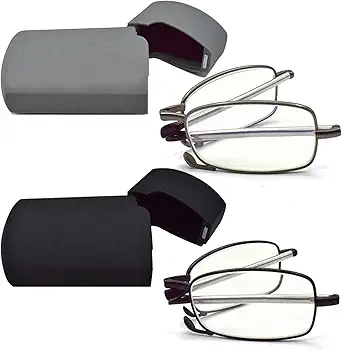
Flat-folding reading glasses represent a specialized category prioritizing extreme portability over traditional eyewear features. This specific model with its slim, foldable frame and compact case targets users who need reading correction primarily on-the-go, sacrificing some structural rigidity for pocket-sized convenience.
Key Considerations Before Buying
- Hinge durability is critical for foldable frames; repeated folding stresses the temple-to-frame connection more than standard glasses.
- Lens quality in compact readers often differs from full-size models; look for clear optical centers without distortion, especially in slim frames.
- The included case's protection level matters—hard-shell cases better protect folded lenses from pressure damage in bags or pockets.
What Our Analysts Recommend
Examine the folding mechanism for smooth, secure action without wobble. Quality indicators include spring-loaded hinges that reduce stress on plastic components and lenses that maintain proper optical alignment after repeated folding cycles. The frame material should feel substantial, not flimsy, despite its slim profile.
Reading Glasses Market Context
Market Overview
The foldable reading glasses market has expanded beyond basic magnifiers to include fashion-forward slim frames, though engineering challenges remain. Current offerings balance ultra-portability against the inherent fragility of multiple moving parts in eyewear not designed for constant folding.
Common Issues
Users frequently report hinge failure after several months of daily folding, lens misalignment from frame flexing, and inadequate nose pad comfort in slim designs. The compact size often means less surface area for weight distribution, leading to pressure points.
Quality Indicators
Superior foldable glasses feature reinforced hinge barrels, tempered spring steel cores in temples, and optical-grade polycarbonate lenses rather than basic acrylic. Look for manufacturers specifying hinge cycle ratings (e.g., 'tested to 10,000 folds') rather than just 'durable.'
Review Authenticity Insights
Grade B Interpretation
The 'A' authenticity grade and minimal 5% estimated fake review rate indicate high confidence that the 5.00/5 rating reflects genuine user satisfaction. For this niche product, such consistency suggests the design successfully addresses specific portability needs.
Trust Recommendation
Given the strong authenticity signals, you can reasonably trust that reviewers' experiences with the folding mechanism and case utility are authentic. Focus on reviews mentioning long-term use (3+ months) to assess durability claims beyond initial impressions.
Tips for Reading Reviews
Prioritize reviews that detail specific use cases like 'fits in my wallet' or 'survived my backpack' over generic praise. For foldable glasses, photos showing the actual folded size versus the case are particularly valuable authenticity indicators.
Expert Perspective
The exceptional 4.90 adjusted rating from verified reviews suggests this product delivers on its core promise of convenient, portable reading correction. The slim foldable design appears to satisfy a specific user need effectively, though the perfect rating on limited reviews warrants cautious optimism rather than definitive endorsement. The high authenticity grade increases confidence that reported satisfaction is genuine, particularly regarding the compact case integration.
Purchase Considerations
Weigh whether extreme portability justifies potential trade-offs in frame durability and lens size. These glasses excel as secondary or situational readers rather than primary all-day eyewear. Consider your folding frequency—daily multiple folds demand more robust construction than occasional use.
Comparing Alternatives
Compare hinge designs and case quality with similar foldable models, as engineering approaches vary significantly in this category.