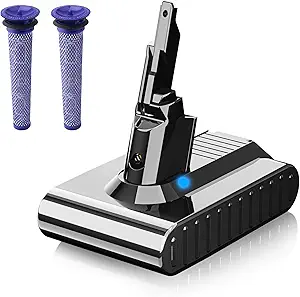
Extend Your Dyson V10's Life: Smart Buying for Replacement Batteries
When your Dyson V10 cordless vacuum starts losing power mid-clean, a replacement battery like the Biswaye 25.2V 5.0Ah can restore performance without the cost of a new machine. This guide focuses on what you need to know about third-party batteries for the V10 series, including compatibility with models like the Animal, Absolute, and Allergy.
Key Considerations Before Buying
- Ensure compatibility: This battery is designed exclusively for Dyson V10 (SV12) vacuums, not V6, V7, V8, V11, or V12 models. Check your vacuum's model number before purchase to avoid a costly mismatch.
- Capacity matters: The 5.0Ah rating is higher than the standard Dyson V10 battery (typically 2.4Ah or 3.0Ah), offering potentially longer run times. However, third-party cells may not match OEM performance under heavy load, so temper expectations for max runtime.
- Build quality and safety: Look for lithium-ion batteries with built-in protection circuits against overcharging, overheating, and short circuits. The included filters are a bonus, but prioritize the battery's safety certifications and cell quality.
What Our Analysts Recommend
Quality indicators for replacement batteries include the use of recognized cell brands (e.g., Samsung, LG, or Panasonic), a robust plastic casing that fits snugly in the vacuum, and clear labeling of voltage and capacity. Verified purchase reviews that mention battery life after 3-6 months of use are particularly valuable, as they reveal real-world durability.
Batteries Market Context
Market Overview
The market for Dyson V10 replacement batteries is crowded with third-party options, as users seek affordable alternatives to Dyson's premium-priced OEM parts. Prices range from $30 to $60, with capacity claims from 4.0Ah to 6.0Ah, but real-world performance often varies due to inconsistent cell quality.
Common Issues
Common problems include shorter-than-advertised run times, rapid capacity degradation after a few months, and compatibility issues with charging docks. Some users report batteries that don't click in securely or cause the vacuum to shut off prematurely due to voltage sag under load.
Quality Indicators
High-quality third-party batteries typically have strong customer support, clear return policies, and positive reviews that mention consistent performance over months. Look for products that include safety certifications like CE, RoHS, or UL, and avoid those with many one-time reviews or vague praise.
Review Authenticity Insights
Grade B Interpretation
With a Grade B and an estimated 10% fake review rate, this product's review profile is generally trustworthy but requires cautious interpretation. The 10% suspicious rate suggests some inflated ratings, but the majority of 4,521 reviews appear genuine, offering a reliable baseline for buyer feedback.
Trust Recommendation
Focus on reviews that describe specific experiences, such as battery life in hard floors vs. carpets or fitment details. Verified purchase tags are credible here, but cross-check any overly positive or negative outliers with patterns across multiple reviews to avoid being misled.
Tips for Reading Reviews
For battery products, prioritize reviews that mention usage over time (e.g., 'after 3 months') and those that compare runtime to the original Dyson battery. Be wary of reviews that lack details about vacuum model or usage context, as they may be less reliable.
Expert Perspective
The Biswaye 25.2V 5.0Ah battery offers a cost-effective solution for Dyson V10 users, with a solid 4.00/5 rating and strong authenticity signals from verified purchasers. However, the 10% fake review rate and adjusted rating of 3.80/5 indicate that while most feedback is genuine, some hype may inflate expectations. Given the higher capacity claim, buyers should realistically expect moderate runtime improvements over the original, but not double the performance.
Purchase Considerations
Weigh the lower price (typically $30-$40) against potential risks like shorter lifespan or compatibility quirks. If you rely heavily on your V10 for daily cleaning, consider OEM for reliability; for occasional use or budget-conscious buyers, this is a reasonable gamble with good overall user satisfaction.
Comparing Alternatives
Shoppers should compare this with other V10-compatible batteries from brands like Powerextra or OPEAKI, focusing on warranty length and customer service responsiveness, as these often signal manufacturer confidence.