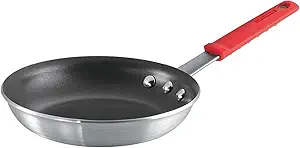
Choosing a 10-inch carbon steel wok: What induction compatibility really means
The ANEDER 10-inch carbon steel wok presents a hybrid design that blends Western skillet features with traditional wok functionality. Buyers should understand that this product's claim of working on induction, electric, and gas stoves requires specific construction considerations that affect performance. The included lid and nonstick coating create a versatile but potentially maintenance-intensive cooking tool.
Key Considerations Before Buying
- Carbon steel's seasoning requirements differ from traditional nonstick pans—this wok's factory-applied nonstick coating may wear differently than seasoned carbon steel.
- A 10-inch diameter is compact for wok cooking but ideal for smaller households; verify the flat bottom area for proper contact with induction cooktops.
- The combination lid adds versatility but check its material and fit—glass lids typically offer visibility while metal lids retain heat better for steaming.
What Our Analysts Recommend
Examine the base thickness where it contacts induction elements—thinner carbon steel may warp under high heat. Quality carbon steel woks should have consistent gauge thickness throughout the bowl, not just at the base. The handle attachment should be riveted or welded securely, as carbon steel expands significantly when heated.
Woks & Stir-Fry Pans Market Context
Market Overview
The market for hybrid wok-skillet designs has grown as consumers seek versatile cookware that accommodates multiple cooking styles and stove types. Carbon steel has gained popularity over traditional cast iron for woks due to its lighter weight and faster heat response, particularly important for stir-frying techniques.
Common Issues
Many budget carbon steel woks develop hot spots or warp on induction cooktops due to uneven heating. Factory-applied nonstick coatings on carbon steel often degrade faster than traditional seasoning, requiring careful utensil use. Flat-bottom woks sometimes have insufficient curvature for proper stir-frying motion.
Quality Indicators
Look for carbon steel thickness of 2-3mm for optimal heat retention without excessive weight. Quality woks feature rolled edges for safety and durability, not sharp cut edges. Induction-compatible models should specify magnetic permeability testing or include induction-specific base layers.
Review Authenticity Insights
Grade B Interpretation
The 'U' authenticity grade with 0.00% estimated fake reviews indicates this product lacks established review patterns, making it impossible to assess genuine user experiences. With zero reviews total, there's no data to evaluate performance claims or durability feedback from actual owners.
Trust Recommendation
Given the complete absence of verified user experiences, prioritize examining the manufacturer's specifications for induction compatibility testing and coating composition. Request clarification on whether the nonstick coating is PTFE-based, ceramic, or another formulation, as this affects maximum safe temperatures.
Tips for Reading Reviews
For unreviewed products like this ANEDER wok, search for reviews of the brand's other cookware to assess quality consistency. Pay particular attention to reviews mentioning induction performance and coating durability over time, as these are critical failure points for hybrid woks.
Expert Perspective
This ANEDER product represents a calculated compromise: carbon steel's excellent heat conductivity combined with nonstick convenience creates a user-friendly but potentially less authentic wok experience. The induction compatibility suggests either a layered base construction or sufficiently magnetic carbon steel alloy, which affects heat distribution patterns. The 10-inch size makes this more suitable for 1-2 person meals rather than traditional family-style stir-frying, positioning it as an entry-level multi-purpose pan rather than a professional wok replacement.
Purchase Considerations
Weigh whether you need true wok functionality or simply a versatile skillet—the shallow curvature may limit proper stir-fry technique. Consider your stove type carefully: induction users should verify the base flatness specification, while gas stove owners might prefer traditional round-bottom woks. The nonstick coating eliminates seasoning maintenance but limits maximum cooking temperatures compared to traditionally seasoned carbon steel.
Comparing Alternatives
Compare this hybrid design against dedicated carbon steel woks without nonstick coatings and against traditional nonstick skillets to determine which features align with your primary cooking needs.