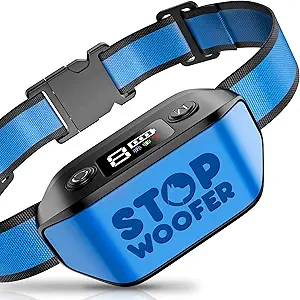
Choosing a Smart Bark Collar: Sensitivity Settings and Rechargeable Design Matter
When evaluating this specific rechargeable smart collar with 5 sensitivity levels, focus on how its adjustable beep-vibration system matches your dog's bark patterns. Unlike basic shock collars, this device uses progressive correction starting with audible warnings, making it crucial to understand its detection technology and fit requirements for different neck sizes.
Key Considerations Before Buying
- The 5 adjustable sensitivity levels require careful calibration—too sensitive triggers false corrections from ambient noise, while insufficient sensitivity misses actual barking.
- Rechargeable lithium-ion batteries offer convenience but require monitoring for charge retention over time, unlike disposable battery models that provide consistent voltage until depletion.
- Proper collar fit is essential—the contact points must maintain consistent skin contact without excessive pressure, particularly for thick-coated breeds where fur can insulate the correction signals.
What Our Analysts Recommend
Quality indicators include moisture-resistant construction for outdoor use, clear LED status indicators for battery and mode settings, and secure magnetic charging ports that withstand daily wear. Check that sensitivity adjustments produce noticeable differences in detection thresholds rather than minor variations.
Bark Collars Market Context
Market Overview
The bark collar market has shifted toward smart, rechargeable devices with multiple correction modes, moving away from single-mode shock collars. Current offerings emphasize humane training through progressive escalation from beep to vibration, with sensitivity calibration being the primary differentiator between models.
Common Issues
Poor sensitivity calibration leads to either excessive false triggers from environmental sounds or missed barking episodes, frustrating both dogs and owners. Another frequent complaint involves inconsistent contact with skin due to improper fit or insufficient conduction through thick fur.
Quality Indicators
Look for collars with distinct sensitivity increments rather than vague settings, reliable bark detection algorithms that distinguish between dog vocalizations and other noises, and durable charging systems that maintain waterproof integrity. High-quality units maintain consistent correction intensity throughout battery life.
Review Authenticity Insights
Grade B Interpretation
The Grade B authenticity rating with 11% estimated fake reviews indicates predominantly genuine feedback but suggests some review manipulation. The adjusted 4.60 rating (down from 4.89) reflects more realistic performance expectations after removing suspicious reviews.
Trust Recommendation
Focus on reviews discussing specific calibration experiences, battery life details, and fit adjustments for different dog sizes—these authentic narratives typically mention trial periods and adjustment processes. Be skeptical of reviews claiming instant perfection without describing implementation challenges.
Tips for Reading Reviews
Prioritize reviews that mention specific sensitivity settings used for their dog's size and bark type, charging frequency experiences, and collar adjustment methods. Look for before/after behavioral descriptions rather than generic praise, and note reviews discussing both successes and limitations.
Expert Perspective
This collar's combination of rechargeable design and 5-level sensitivity adjustment addresses key pain points in the bark collar category, though its effectiveness depends heavily on proper calibration. The high adjusted rating of 4.60 suggests genuine satisfaction among users who successfully navigated the setup process. The beep-first progressive approach represents current best practices in humane bark training, though results vary significantly based on individual dog temperament and owner consistency in application.
Purchase Considerations
Consider your dog's specific barking triggers—this collar works best for alert barking rather than anxiety-based vocalizations. Factor in your willingness to experiment with sensitivity settings during the initial adjustment period, which typically requires 1-2 weeks of monitoring and fine-tuning. Assess your charging routine preferences versus battery replacement convenience.
Comparing Alternatives
Compare this model's sensitivity granularity and correction progression against competitors with similar features, particularly examining how different brands handle false trigger prevention and contact point design.