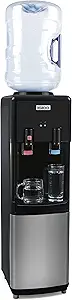
Brita 27-Cup Dispenser: Big Capacity, Certified Filtration, and Everyday Value
For households that go through a lot of tap water, a large countertop dispenser like the Brita 27-cup model offers a practical upgrade from pitchers. This unit holds over 1.5 gallons, uses a standard filter that’s WQA and NSF/ANSI certified to reduce chlorine taste and odor along with zinc, copper, and mercury, and is made from BPA-free plastic. Before buying, consider your daily consumption, fridge space, and how often you’re willing to change filters.
Key Considerations Before Buying
- Capacity vs. counter space: The 27-cup (1.68-gallon) tank is ideal for families or heavy water users, but its footprint is larger than standard pitchers—measure your fridge shelf or counter before purchasing.
- Filter longevity and cost: The included standard filter lasts about 2 months or 40 gallons, depending on usage. Replacement filters are widely available but add ongoing expense; factor in roughly $7–$10 per filter for long-term budgeting.
- Certification specifics: The WQA and NSF/ANSI certification covers only chlorine taste/odor, zinc, copper, and mercury reduction—not all contaminants. If you need lead or PFOA removal, look for Brita’s Longlast+ filters or other certified models.
What Our Analysts Recommend
When evaluating a water filter dispenser, check for independent certifications (NSF/ANSI, WQA) that match your specific water concerns. Also examine the dispenser’s lid seal and spigot design—models with a snug lid and a smooth-operating tap are less likely to leak or drip. Finally, consider BPA-free construction and dishwasher-safe components for easier cleaning.
Water Coolers & Filters Market Context
Market Overview
The countertop water filter dispenser market has grown steadily as consumers seek affordable alternatives to bottled water and under-sink systems. Brands like Brita, PUR, and ZeroWater dominate, with Brita holding the largest share thanks to widespread retail availability and strong brand recognition. Recent trends emphasize larger capacities (20+ cups) and multi-stage filtration for broader contaminant reduction.
Common Issues
Common complaints across this category include slow filtration speed, especially with larger dispensers, and the need for frequent filter changes if water is heavily chlorinated or has high sediment. Leaks around the spigot or lid are also reported, often due to improper assembly or worn gaskets. Additionally, some users find that the taste improvement diminishes as the filter nears its end of life.
Quality Indicators
High-quality dispensers feature robust, BPA-free plastic that resists cracking, a secure lid with a tight seal, and a spigot that doesn’t drip. Certification from NSF or WQA for specific contaminant reduction is a strong signal of reliability. Look also for a filter-change indicator or a simple date tracker to help you remember replacements.
Review Authenticity Insights
Grade B Interpretation
With a Review Authenticity Grade of B and an estimated 10% fake review rate, this product’s review set is largely trustworthy but not flawless. The analysis shows that the majority of reviews come from verified purchasers with personal stories and balanced feedback, which is a positive sign. However, roughly 1 in 10 reviews may be fabricated or incentivized, so you should still approach very short or overly promotional reviews with caution.
Trust Recommendation
You can generally trust the 4.33-star average (adjusted to 4.10 after removing suspicious reviews) as a realistic reflection of real user experiences. Focus on reviews that mention specific usage patterns—like how often they refill, how the taste compares to tap water, or any issues with leaks—since these are harder to fake. Ignore reviews that only say “great product” or “works perfectly” without details.
Tips for Reading Reviews
When reading reviews for water filter dispensers, prioritize those that discuss actual water taste improvement, filter lifespan, and ease of cleaning. Look for photos of the dispenser in use, especially showing water clarity or assembly steps. Also note if multiple reviews mention the same flaw (e.g., slow dripping), which likely indicates a genuine pattern rather than an isolated incident.
Expert Perspective
The Brita Extra-Large 27-Cup Dispenser is a solid, mainstream choice for households wanting a simple, certified way to improve tap water taste and reduce a few specific metals. Its large capacity is a genuine convenience for big families or avid water drinkers, and the WQA/NSF certification provides a baseline of credibility. However, the adjusted rating of 4.10 and the 10% fake review rate suggest that while most buyers are satisfied, the product isn’t perfect—some users report slower filtration or minor leaks. It’s a reliable workhorse rather than a premium filtration solution.
Purchase Considerations
Weigh the ongoing cost of replacement filters against your household’s water consumption—if you go through more than 40 gallons in two months, you’ll need to change filters more often, raising costs. Also consider whether you need broader contaminant reduction (e.g., lead, PFAS) that this model doesn’t cover. If counter space is tight, a smaller pitcher might be more practical.
Comparing Alternatives
Shoppers should compare this dispenser with the PUR 30-cup dispenser (which offers a different filter certification) and the ZeroWater 40-cup model (which uses a five-stage filter for total dissolved solids removal) to see which features best match their water quality needs.