
Boost Your Desktop WiFi: Expert Tips for Choosing RP-SMA Antennas
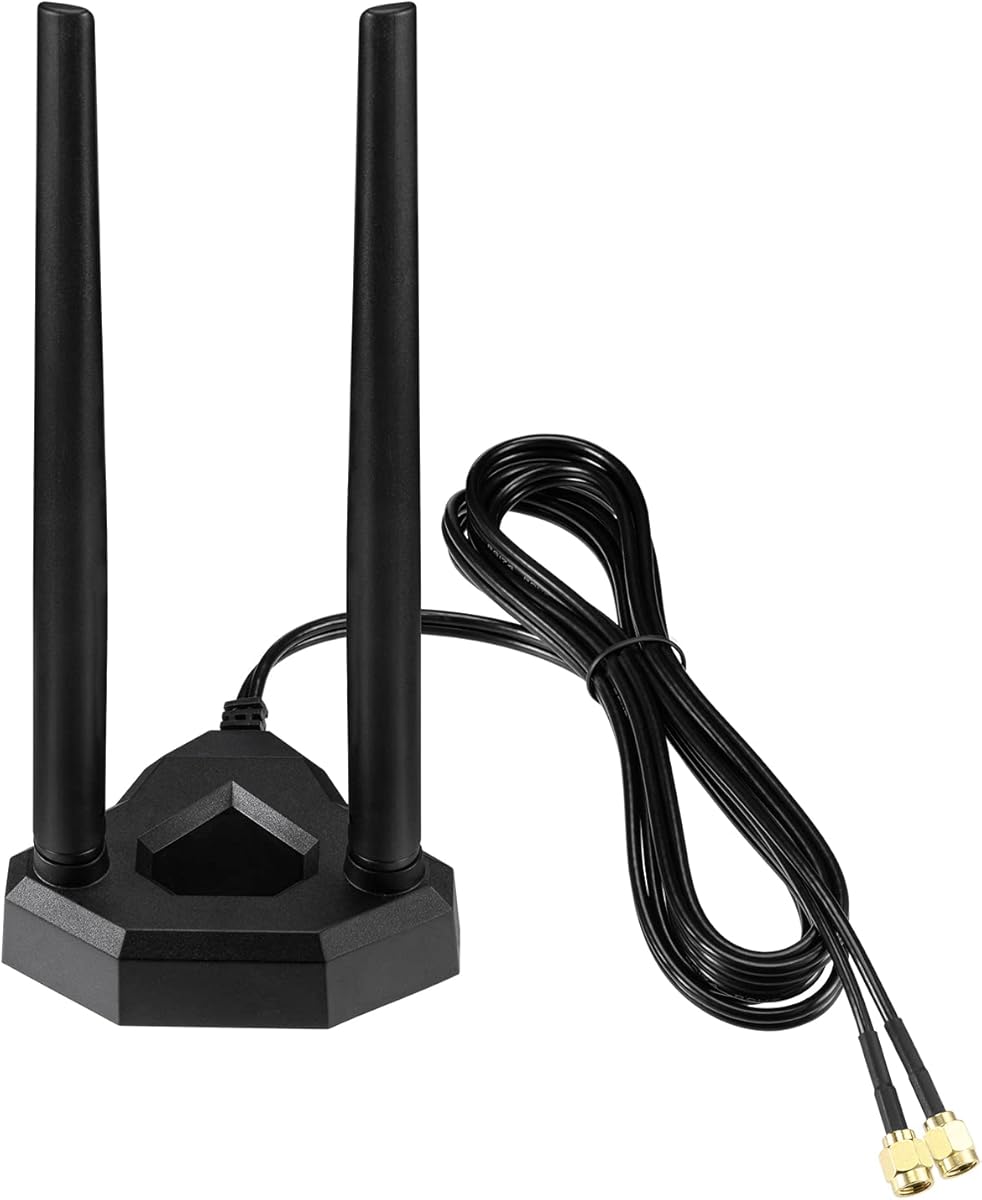
If your desktop PC's wireless connection is sluggish, upgrading its antenna can be a cost-effective fix. The Eightwood Dual Band WiFi Antenna, with its 2.4GHz and 5GHz support and 6.5ft extension cable, is designed to improve signal reception for PCIe WiFi cards. This guide helps you understand what to look for when choosing a replacement antenna for your desktop.
Key Considerations Before Buying
- Ensure your WiFi card or router uses RP-SMA connectors—this Eightwood antenna is designed for that standard, not the reverse-polarity types used on some laptops. Check your device's port before buying.
- Dual-band support (2.4GHz and 5GHz) is crucial for modern networks; 2.4GHz offers better range through walls, while 5GHz provides faster speeds. This antenna covers both, so you can optimize for your setup.
- An extension cable, like the 6.5ft one included here, lets you reposition the antenna for better placement—such as on a metal desk or away from interference. This can significantly improve signal strength.
What Our Analysts Recommend
Look for antennas with a clear frequency range (e.g., 2.4-2.5GHz and 4.9-5.9GHz) and a gain rating, which indicates signal amplification. A durable, weather-resistant base is also important if you plan to move the antenna frequently or mount it in a non-permanent spot.
Network Antennas Market Context
Market Overview
The market for desktop WiFi antennas is growing as more users upgrade their PCs with PCIe wireless cards for faster, more reliable connections. Many stock antennas are small and underperforming, so aftermarket replacements like this Eightwood model are popular for boosting signal range and stability.
Common Issues
A frequent problem is connector mismatches—buying an antenna with the wrong connector type (e.g., SMA instead of RP-SMA) renders it useless. Also, some antennas have short cables that limit placement options, leading to suboptimal signal reception.
Quality Indicators
Quality antennas are made from corrosion-resistant materials like brass or copper, and have a solid, non-wobbly base. Consistent performance across both bands, as seen in user reviews, is a strong sign of reliability.
Review Authenticity Insights
Grade A Interpretation
With an 'A' grade and only 5% estimated fake reviews, this product's feedback is highly trustworthy. The 4.89 rating (adjusted to 4.80) reflects genuine satisfaction from verified purchasers, not inflated by bots or paid reviews.
Trust Recommendation
You can rely on the overall positive sentiment, but focus on reviews that mention specific distances (e.g., 'improved signal from 50 to 100 feet') or equipment used—these are most credible. The low fake rate means you're unlikely to encounter misleading feedback.
Tips for Reading Reviews
For network antennas, prioritize reviews that detail real-world scenarios like connecting through walls or floors. Look for mentions of compatibility with specific PCIe cards (e.g., Intel AX200) to ensure the antenna works with your setup.
Expert Perspective
The Eightwood Dual Band WiFi Antenna stands out for its strong authenticity profile and high user satisfaction, with a 4.89 rating that holds up even after adjusting for suspicious reviews. The included 6.5ft extension cable is a practical feature that lets users optimize placement, a common pain point with shorter stock antennas. While the gain isn't specified, the consistent positive feedback suggests effective performance for typical desktop use. It's a reliable choice for boosting WiFi range on compatible RP-SMA devices.
Purchase Considerations
Before buying, confirm your PCIe card or router uses RP-SMA connectors—this is the most common mismatch risk. If you need a longer cable or higher gain (e.g., for extreme distances), consider specialized models, but for most desktop users, this antenna offers a solid balance of value and performance.
Comparing Alternatives
Shoppers should compare this with other dual-band RP-SMA antennas, especially those with higher gain ratings or longer cables, to ensure it meets specific range needs.


