Choosing an Acacia Wood Board: Balancing Kitchen Utility with Dining Room Presentation
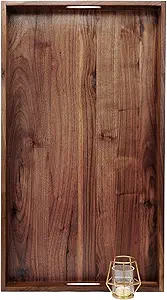
This 17" x 13" acacia wood board is positioned as a dual-purpose tool for both food prep and elegant serving. Buyers should understand that its large size and handle design create specific considerations for storage and use, distinguishing it from smaller, single-purpose cutting boards or purely decorative charcuterie platters.
Key Considerations Before Buying
- The 17" x 13" dimensions require substantial counter or storage space; measure your kitchen workflow and cabinet clearance before purchasing.
- Acacia wood's natural grain variations and hardness make it knife-friendly for chopping, but its decorative finish means it's also marketed for table presentation—consider if you need one board for both roles.
- The integrated handle facilitates carrying a loaded board but adds a raised edge that can complicate sweeping chopped ingredients directly into a bowl or pan.
What Our Analysts Recommend
For a board in this category, examine the joinery where the handle meets the main surface—it should be seamless to prevent food traps. Quality acacia boards will have a consistent, food-safe finish (often mineral oil or a beeswax blend) that protects without feeling sticky or plastic-like. The thickness, typically around 0.75 to 1 inch for a board this size, is crucial for preventing warping.
Serving Boards Market Context
Market Overview
The market for wooden serving boards is saturated with products blending utility and aesthetics, with acacia wood becoming a popular mid-tier choice due to its durability and distinctive grain patterns. Large-format boards like this 17" x 13" model compete directly with edge-grain maple and bamboo options, often touting their 'dual-use' capability as a key selling point.
Common Issues
Common problems include warping or cracking from improper cleaning (submersion in water), finish wear that leaves the wood vulnerable to stains, and handles that loosen over time. Boards marketed for both chopping and serving often face criticism if the finish is too delicate for knives or too rough for presenting cheeses and charcuterie.
Quality Indicators
Look for end-grain or thick edge-grain construction for durability, a fully saturated oil finish that has penetrated the wood, and a weight that feels substantial for its size—a lightweight large board often indicates thinner, more warp-prone wood. The grain should run lengthwise to minimize expansion issues.
Review Authenticity Insights
Grade B Interpretation
A Grade B authenticity rating with an estimated 11% fake review rate suggests the majority of feedback is genuine, but a notable portion requires scrutiny. For this product, it indicates generally trustworthy reviews, though shoppers should be slightly more cautious than with an A-grade product.
Trust Recommendation
Focus on reviews that mention specific, long-term use cases like 'holding up after six months of daily vegetable chopping' or 'showing knife marks but not staining from beet juice.' Be wary of overly generic praise about 'beautiful wood' without detailing function or dimensions. The adjusted rating of 4.4/5 is likely a more reliable quality indicator than the raw 4.67/5.
Tips for Reading Reviews
Prioritize verified purchase reviews that discuss the board's performance for its advertised dual roles—chopping and serving. Look for mentions of cleanup, odor retention (especially with meats), and how the handle functions when the board is fully loaded. Reviews noting the board's weight or storage challenges are particularly valuable for this large format.
Expert Perspective
The analysis data suggests this is a well-received product that largely delivers on its promises, with a solid adjusted rating of 4.4/5 from authentic reviews. Its success likely hinges on fulfilling the niche for a single, large board that transitions from kitchen prep to table presentation—a demand common in homes with limited storage or a preference for multifunctional items. The high rating indicates customer satisfaction with acacia's performance and the board's substantial size, though the authenticity grade advises a careful review reading.
Purchase Considerations
Weigh whether you truly need a 17" x 13" board; it's excellent for entertaining but may be cumbersome for daily single-meal prep. Consider your maintenance willingness, as all solid wood boards require periodic oiling. The handle is a significant advantage for serving but consider if you primarily need a board that stays stationary on a counter.
Comparing Alternatives
Shoppers should compare this board's thickness, finish type, and handle design against similar-priced acacia or edge-grain maple boards to assess value.