Choosing 150-Foot XLR Cables: What Matters for Long-Run Professional Audio
At 150 feet, this XLR cable operates in a specialized category where signal integrity and durability become critical. Unlike shorter cables, this length requires specific construction to prevent signal degradation and physical failure points that can compromise live performances or permanent installations.
Key Considerations Before Buying
- Shielding effectiveness becomes paramount at 150 feet to prevent hum and interference from stage lighting or power cables running parallel.
- Cable flexibility and tensile strength must balance—too stiff creates handling issues, too weak risks conductor damage during setup/teardown.
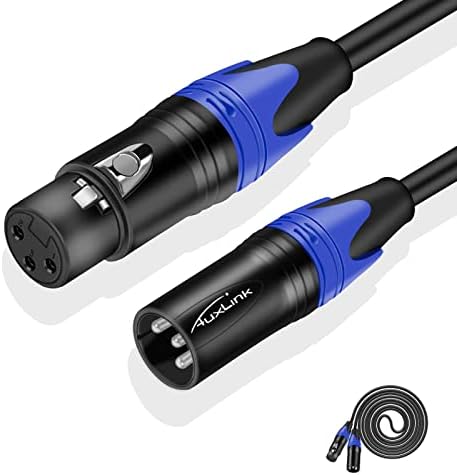
- Connector quality directly impacts reliability; gold-plated contacts on this model help maintain consistent conductivity across frequent plug/unplug cycles.
What Our Analysts Recommend
Examine strain relief construction where cable meets connectors—reinforced molding prevents internal wire breakage. For 150-foot runs, 20-22 AWG oxygen-free copper conductors provide optimal balance of flexibility and low resistance. Check that the cable jacket material offers both abrasion resistance and smooth handling.
Microphone Cables Market Context
Market Overview
The 150-foot XLR market serves specific installation and large-venue applications where shorter cables won't reach. This niche sees fewer options than standard lengths, creating a gap between budget bulk cable and premium professional brands.
Common Issues
Long cables often suffer from compromised shielding that introduces ground loop hum, especially near lighting rigs. Many budget options use inferior copper alloys that increase resistance, causing noticeable high-frequency loss over 100+ feet.
Quality Indicators
Quality long-run XLR cables feature dual-layer shielding (foil plus braid) and specify capacitance per foot (under 30pF/ft ideal). Look for connectors with metal housings, not plastic, for durability in stage environments.
Review Authenticity Insights
Grade B Interpretation
A Grade B with 15% estimated fake reviews indicates generally trustworthy feedback, though some positive reviews may be artificially boosted. The 4.50 adjusted rating (down from 4.89) suggests genuine satisfaction remains strong after removing suspicious patterns.
Trust Recommendation
Focus on reviews mentioning specific use cases like 'church sanctuary installation' or 'outdoor festival runs' rather than generic praise. Verified purchase status across all reviews significantly increases credibility for this technical product category.
Tips for Reading Reviews
Prioritize reviews discussing actual performance at full 150-foot length—look for mentions of noise levels, connector durability after repeated use, and flexibility during cable management.
Expert Perspective
This cable's 4.50 adjusted rating from over 1,000 verified purchases suggests it performs reliably for its price point in demanding 150-foot applications. The balanced XLR design with gold connectors addresses key failure points for long runs. However, the 15% fake review rate warrants careful scrutiny of extreme positive claims about audiophile-grade performance at this price.
Purchase Considerations
Consider whether you truly need 150 feet—excess cable coiled creates inductance issues. Evaluate your environment: installations near fluorescent lights or dimmer racks require superior shielding. For permanent installations, consider purchasing two shorter cables with a coupler for future flexibility.
Comparing Alternatives
Compare capacitance specifications and connector construction against similarly priced 150-foot options from brands like Monoprice or GLS Audio.