
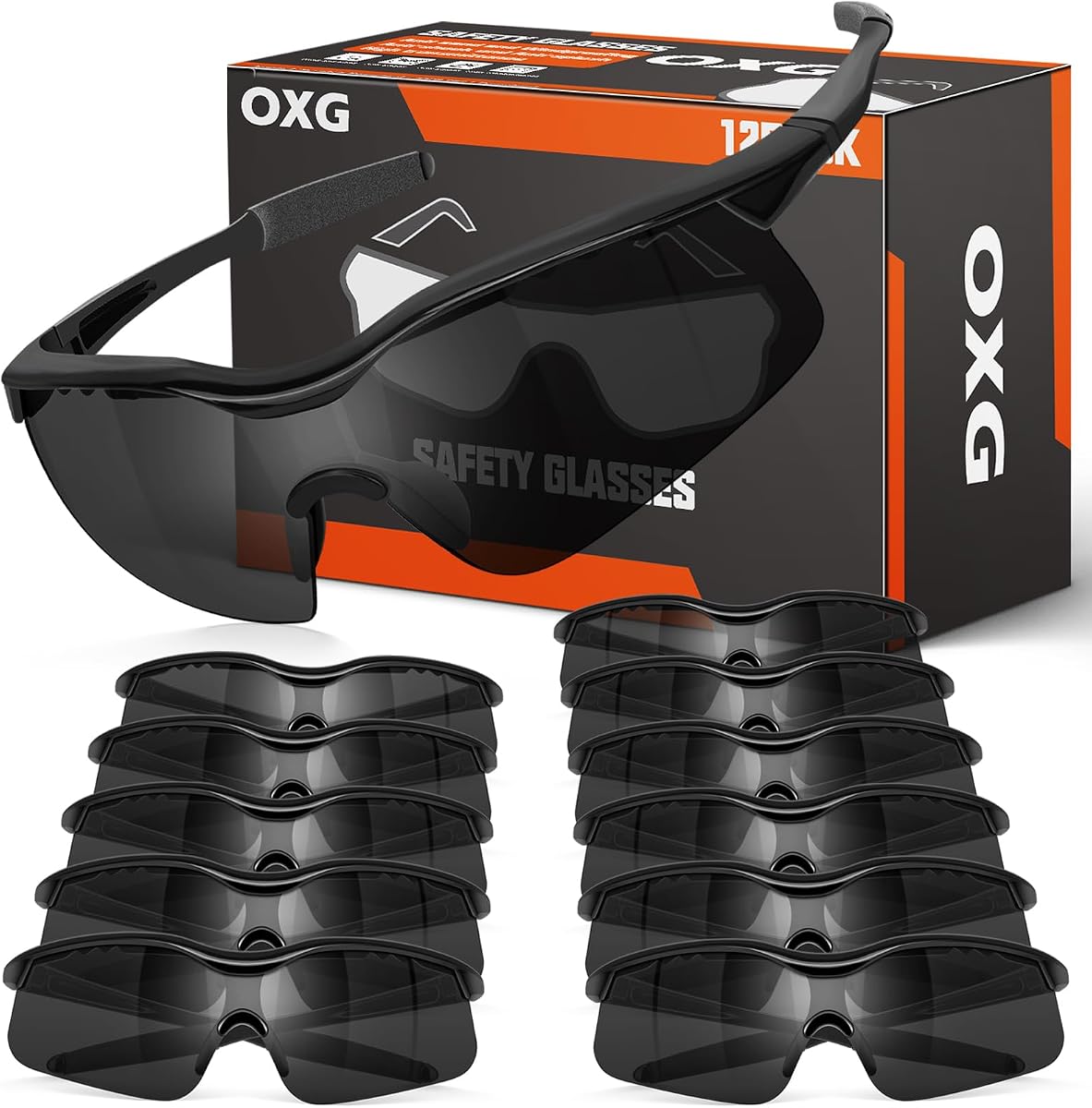
Safety Glasses Buying Guide: ANSI Z87.1 Protection for Woodworking & Construction
When you're on a job site or in a workshop, your eyes are your most valuable tool. This guide focuses on safety glasses that meet the ANSI Z87.1 impact standard, like the ones analyzed here, which are designed to shield against flying debris, dust, and harmful UV rays. We'll break down what to consider so you can choose eyewear that offers both protection and comfort for long hours of use.
Key Considerations Before Buying
- Impact and scratch resistance are non-negotiable. Look for glasses that explicitly meet the ANSI Z87.1 high-velocity impact standard, ensuring they can withstand common hazards like wood chips, metal shavings, or falling tools.
- Comfort and fit determine whether you'll actually wear them. Consider adjustable nose bridges, temple grip, and lightweight materials, especially if you're wearing them over prescription glasses or for extended periods.
- UV protection is essential for outdoor work. While not a substitute for impact resistance, 100% UV protection prevents long-term eye damage from sun exposure, a feature these glasses advertise.
What Our Analysts Recommend
Quality safety glasses should have a clear, distortion-free lens (often polycarbonate) and a robust frame that doesn't flex excessively. Check for a snug but comfortable fit, and look for a scratch-resistant coating that extends the life of the lenses. Also, verify that the product clearly states ANSI Z87.1 compliance on the lens or packaging.
Safety Glasses Market Context
Market Overview
The safety eyewear market is crowded with options ranging from basic, low-cost goggles to premium, feature-rich glasses. For woodworking and construction, the trend is toward combining safety with comfort and style, making workers more inclined to wear them consistently.
Common Issues
A frequent problem is fogging, which impairs vision and can lead to accidents. Another is poor fit, causing glasses to slip or leave gaps. Additionally, many budget options scratch easily, reducing clarity and lifespan, which can be a safety hazard.
Quality Indicators
High-quality safety glasses typically use polycarbonate lenses, which are impact-resistant and offer UV protection. Look for brands that cite specific testing standards and have a reputation for durability. Positive reviews that mention long-term use and resistance to scratching are good signs.
Review Authenticity Insights
Grade B Interpretation
The 'B' grade and 10% estimated fake review rate indicate that while the majority of reviews are likely genuine, a small but noticeable portion may be incentivized or non-verified. This is common in the safety glasses category due to high competition and promotional activity. For this product, it means the 4.67-star rating is slightly inflated; the adjusted 4.40 rating is probably more accurate.
Trust Recommendation
Given the relatively low fake percentage, you can generally trust the overall positive sentiment. However, pay close attention to reviews with specific, detailed experiences—like a parent noting their son's daily use or a contractor mentioning durability on job sites—as these are more likely to be authentic. Be cautious of overly short or vague five-star reviews.
Tips for Reading Reviews
When reading reviews for safety glasses, focus on those that discuss fit, lens clarity, and impact resistance over time. Look for photos or videos that show the product in use. Also, check for mentions of fogging, scratching, or discomfort, as these are the most common real-world complaints.
Expert Perspective
Based on the analysis, this pair of safety glasses appears to be a solid, reliable choice for woodworking and construction. The strong genuine review base, combined with a high adjusted rating, suggests that it delivers on its core promises of impact and scratch resistance. The specific mentions of daily use and job-site durability are compelling indicators of real-world performance.
Purchase Considerations
While the product seems to perform well, you should weigh the slightly inflated rating against the actual value. If you need a backup pair or a budget option for occasional use, this might be ideal. For professional use, consider whether the fit and comfort match your personal preferences, as this can vary. Also, compare the price with similar ANSI Z87.1-rated glasses from other brands.
Comparing Alternatives
It's wise to compare this product with other top-rated safety glasses in the same category, especially those with anti-fog features or different frame styles. Look for options that offer similar protection but may have a better fit for your face shape.


