
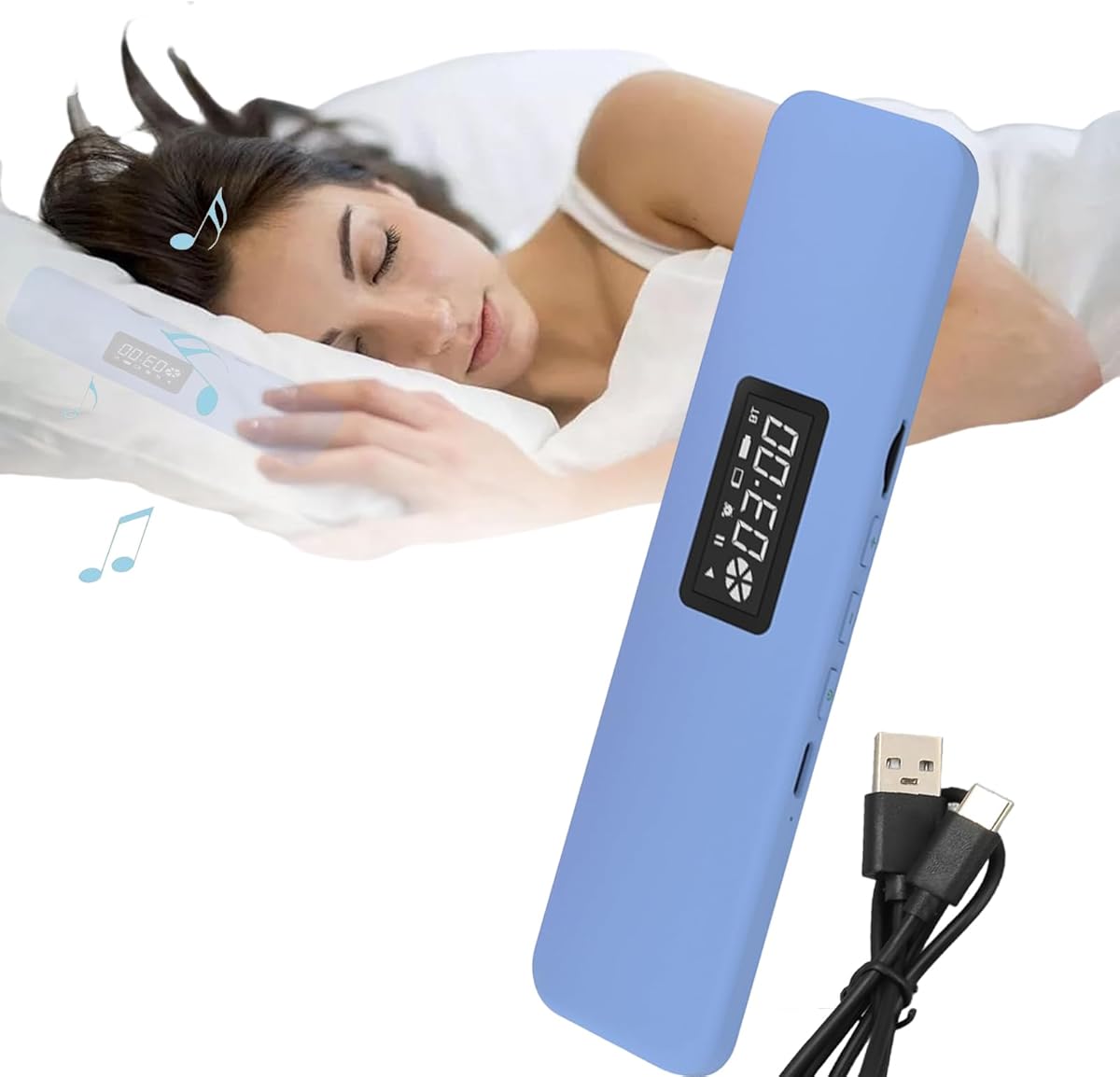
Choosing a pillow speaker requires balancing comfort, audio quality, and sleep compatibility
This specific pillow speaker combines bone conduction technology with under-pillow placement, targeting side sleepers who need audio assistance for sleep. Unlike standard headphones, it must deliver sound effectively through fabric and foam while remaining comfortable for hours of pressure against your head.
Key Considerations Before Buying
- Bone conduction versus traditional speakers: This model transmits vibrations through your cheekbones, bypassing your ears entirely—ideal for side sleepers but may feel unusual and delivers different audio quality than air conduction.
- Pillow compatibility matters: The flat, thin design (implied by 'mini') must work with your pillow density; memory foam may muffle sound more than down alternatives, affecting white noise effectiveness.
- Sleep-specific features: Look for auto-shutoff timers, dedicated white noise modes, and low-latency Bluetooth that won't disrupt audio when rolling over—features essential for insomnia use that generic Bluetooth speakers lack.
What Our Analysts Recommend
Examine reviews mentioning specific pillow types (memory foam, feather) and sleep positions to gauge real-world performance. Quality indicators include consistent Bluetooth connectivity under bedding materials and sufficient bass response for white noise tracks despite the bone conduction limitation.
Portable Bluetooth Speakers Market Context
Market Overview
The sleep audio niche has expanded beyond basic white noise machines to include specialized pillow speakers, with bone conduction models gaining popularity for their ear-free design. However, this remains a fragmented category where product performance varies dramatically based on individual sleep setups.
Common Issues
Users frequently report connectivity drops when devices are buried under pillows, insufficient volume for effective noise masking, and discomfort from hard plastic components pressing against the head all night. Battery life claims often don't account for all-night playback needs.
Quality Indicators
Superior pillow speakers maintain stable Bluetooth 5.0+ connections through fabric barriers and offer adjustable EQ settings optimized for spoken word or ambient sounds. Look for products specifically mentioning side-sleeper testing rather than generic 'sleep' claims.
Review Authenticity Insights
Grade B Interpretation
A Grade B with 11% estimated fake reviews indicates predominantly authentic feedback with minor manipulation concerns. For this pillow speaker, this suggests most reviews reflect genuine sleep experience testing, though some positive reviews may be overly enthusiastic.
Trust Recommendation
Focus on reviews discussing specific sleep scenarios—like 'with my CPAP machine' or 'on a Tempur-Pedic pillow'—as these demonstrate actual use. Be skeptical of reviews claiming perfect performance across all pillow types, as physics dictates varying results.
Tips for Reading Reviews
Prioritize reviews mentioning multiple nights of testing and specific audio content (podcasts vs. brown noise). For pillow speakers, mid-range 3-star reviews often provide the most balanced insights about comfort-break-in periods and real-world battery performance.
Expert Perspective
The 3.70 adjusted rating suggests this bone conduction pillow speaker delivers adequate but inconsistent performance. The gap between the advertised 3.89 and adjusted 3.70 ratings indicates some review inflation, though the B authenticity grade confirms most feedback is genuine. This product likely works well for specific use cases—particularly side sleepers who can't tolerate earbuds—but may disappoint those expecting traditional speaker audio quality. The combination of bone conduction and under-pillow placement creates unique acoustic challenges that won't suit every sleeper.
Purchase Considerations
Weigh your pillow type and primary audio content; dense pillows may require volume adjustments that drain battery faster. Consider whether you truly need bone conduction or would prefer a traditional flat speaker if you don't sleep exclusively on your side. The insomnia focus suggests this device prioritizes sleep functionality over audiophile features.
Comparing Alternatives
Compare with air conduction pillow speakers and dedicated white noise machines to determine which technology best addresses your specific sleep disturbances.


