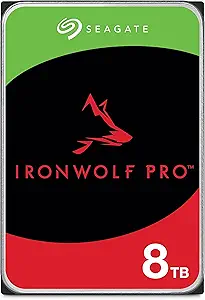
Buying a High-Capacity NAS Drive: What You Need to Know
When shopping for a 20TB enterprise NAS drive like the Seagate IronWolf Pro, you're investing in reliable, 24/7 storage for your RAID array. This CMR drive with a 256MB cache and 7200 RPM speed is built for heavy workloads, but understanding the nuances of high-capacity drives will help you make a smart purchase.
Key Considerations Before Buying
- RAID compatibility and rebuild times: High-capacity drives like this 20TB model can take days to rebuild a RAID array, so ensure your NAS supports the capacity and has enough bays to minimize risk during rebuilds.
- Workload rating and endurance: The IronWolf Pro is rated for 550TB/year workloads, making it suitable for multi-user environments, but check if your usage aligns with this rating to avoid premature wear.
- Noise and vibration: With five platters spinning at 7200 RPM, this drive can be audible; consider acoustic insulation or a NAS enclosure with vibration dampening if noise is a concern.
What Our Analysts Recommend
Look for CMR technology (not SMR) for consistent RAID performance, a workload rating that matches your usage, and a warranty that covers the expected lifespan. Also, check for features like rotational vibration sensors, which are crucial in multi-drive enclosures.
Internal Hard Drives Market Context
Market Overview
The market for high-capacity NAS drives is growing as data demands increase, with 20TB drives becoming more common. Seagate, Western Digital, and Toshiba dominate, each offering CMR drives with varying cache sizes and workload ratings, but competition is driving prices down while capacities rise.
Common Issues
Common problems include DOA units, which are more frequent in high-capacity drives due to manufacturing complexities, and compatibility issues with older NAS systems. Additionally, some users report excessive noise or vibration, and RAID rebuild failures can occur if drives from the same batch are used.
Quality Indicators
Quality drives feature CMR technology, high workload ratings (e.g., 550TB/year), and robust warranties (5 years for IronWolf Pro). Also, look for features like rotational vibration sensors and error recovery controls, which are essential for RAID environments.
Review Authenticity Insights
Grade A Interpretation
The Grade A authenticity rating and 8% fake review percentage indicate that most reviews are genuine, providing reliable insights. This is relatively low for high-capacity drives, where fake reviews can inflate ratings, so you can trust the overall sentiment more than usual.
Trust Recommendation
Trust the adjusted rating of 3.40/5, which reflects real-world experiences including DOA units and RAID rebuild successes. Focus on reviews that detail long-term usage and customer service interactions, as these are harder to fake and more informative.
Tips for Reading Reviews
When reading reviews, prioritize those from verified purchasers with detailed installation and performance notes. Pay attention to patterns in complaints, such as noise or failure rates, and discount overly positive or negative reviews that lack specifics.
Expert Perspective
The Seagate IronWolf Pro 20TB is a solid choice for enterprise NAS setups, offering high capacity and CMR technology for RAID. However, the 3.40 adjusted rating suggests some reliability concerns, with a notable number of DOA units reported. Its 5-year warranty and 550TB/year workload rating make it suitable for heavy use, but potential buyers should weigh the risk of early failures against the convenience of massive storage.
Purchase Considerations
Consider your NAS compatibility, backup strategy, and tolerance for noise. If you need maximum capacity and can handle potential RMA processes, this drive is viable. But if reliability is paramount, you might prefer drives with lower failure rates or consider buying from a retailer with easy returns.
Comparing Alternatives
Compare with Western Digital Red Pro and Toshiba N300, which offer similar capacities and features, to ensure you get the best value and reliability for your specific needs.