Choosing a 40W Multi-Port USB-C Charger: Aioneus Insights
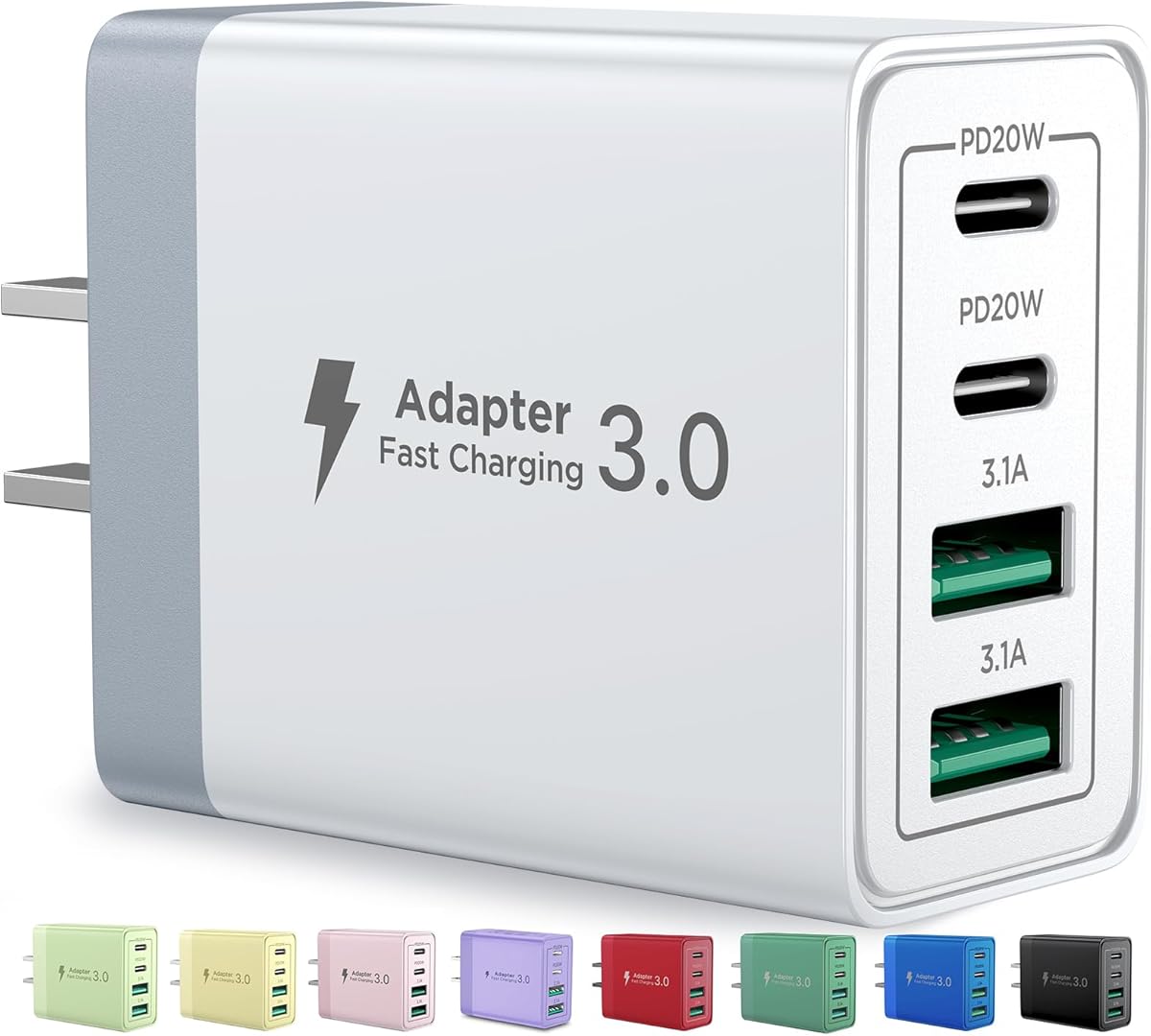
When selecting a compact wall charger like the Aioneus 40W 4-port cube, understanding power distribution is key. This unit combines two USB-C PD ports and two USB-A QC ports, but not all ports deliver full 40W simultaneously. Buyers should prioritize how they'll use the ports—whether for fast-charging a single device or distributing power to multiple gadgets.
Key Considerations Before Buying
- Port allocation matters: The Aioneus charger likely splits its 40W total output, so connecting a power-hungry laptop may leave less for other devices. Check if your primary device (like an iPhone 16 or Samsung tablet) gets the 20W+ it needs for fast charging.
- Form factor and travel fit: Described as a 'cube,' this charger's blocky design may block adjacent outlets on a power strip. Consider if you'll use it on a nightstand or in a bag, where space is tight.
- Compatibility with future devices: It supports iPhone 17, 16, and 15, but verify PD 3.0 or QC 3.0 protocols for optimal charging speeds. Older devices may charge slower than advertised.
What Our Analysts Recommend
Look for chargers with clear power ratings per port, as many multi-port models share total wattage. Verified safety certifications (like UL or FCC) indicate quality. Also, check user photos for real-world size comparisons to gauge outlet fit.
Wall Chargers Market Context
Market Overview
The wall charger market is shifting toward GaN (gallium nitride) technology for smaller, cooler-running bricks, but many affordable models like the Aioneus still use silicon. Multi-port chargers under $25 are popular for households with mixed devices, though power distribution can disappoint if not managed properly.
Common Issues
A frequent complaint in this category is heat buildup during extended use, which can throttle charging speeds. Another issue is false advertising of total wattage—some chargers claim 40W but only deliver that on one port, not simultaneously.
Quality Indicators
High-quality chargers feature solid construction with no loose ports, consistent voltage output across all ports, and minimal electromagnetic interference. Verified purchase reviews that mention specific devices and charging times are a good sign.
Review Authenticity Insights
Grade A Interpretation
With a Grade A and only 5% estimated fake reviews, the Aioneus charger's feedback is overwhelmingly trustworthy. This means the 4.78-star rating from nearly 9,700 reviews reflects genuine user satisfaction, not manipulated scores.
Trust Recommendation
You can rely on the positive consensus here—most buyers report real-world success with this charger for phones and tablets. However, given the 5% fake rate, focus on reviews that describe specific usage scenarios (e.g., 'charges my iPad Air overnight') to confirm authenticity.
Tips for Reading Reviews
For a multi-port charger like this, look for reviews that detail simultaneous charging speeds (e.g., 'iPhone 15 and Samsung S24 both charged fast'). Also, note any complaints about port wear after months of use, which may indicate durability concerns.
Expert Perspective
The Aioneus 40W charger appears to be a reliable budget option for users who need to charge multiple devices at moderate speeds. Its 4.78-star rating and high authenticity grade suggest consistent performance for phones and tablets, though it won't fully power a laptop. The compact cube design is practical for travel, but the shared power budget means you'll need to prioritize which device gets fast charging.
Purchase Considerations
Weigh the trade-off between price and power: this is an affordable choice for light to medium use, but heavy users may prefer a higher-wattage GaN charger with individual port ratings. If you frequently charge a phone and tablet together, verify that the 40W split meets your needs.
Comparing Alternatives
Compare with similar 40W multi-port chargers from brands like Anker or Belkin, which often offer GaN technology for better heat management and smaller size.