
Borosilicate Glass Measuring Cups: Why Material Matters for Precision
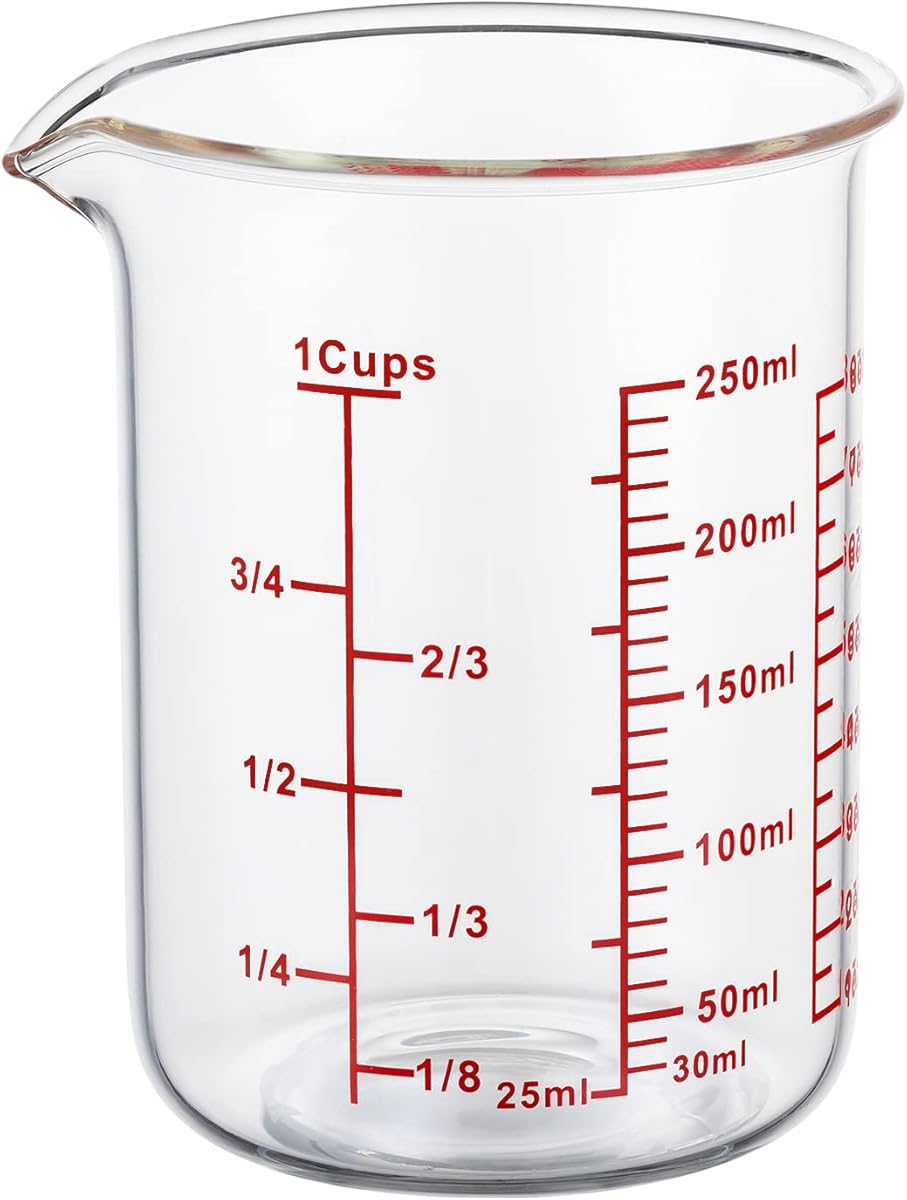
When selecting a 1-cup liquid measuring cup like the Ackers model, the borosilicate glass construction is the defining feature that separates it from ordinary soda-lime glass alternatives. This specific material choice directly impacts thermal shock resistance and measurement accuracy, making it essential for both baking and cooking applications where temperature changes occur.
Key Considerations Before Buying
- Borosilicate glass withstands sudden temperature changes from freezer to microwave without cracking, unlike standard glass that can shatter with thermal shock.
- The 1-cup (8oz) capacity with clear, easy-to-read markings is ideal for precise liquid measurements in recipes where accuracy affects outcomes.
- A well-designed spout should provide clean pouring without drips, particularly important for sticky ingredients like honey or syrup that require precise transfer.
What Our Analysts Recommend
Quality borosilicate measuring cups feature uniform thickness without bubbles or distortions that could affect measurement accuracy. The markings should be permanently etched or printed with clear contrast against the glass, not painted on surfaces that can wear away with dishwasher use. Check that the spout opening is smooth and properly aligned with measurement lines.
Market Context
Market Overview
The glass measuring cup market has shifted toward borosilicate as consumers recognize its durability advantages over traditional glass, though many budget options still use tempered soda-lime glass with lower thermal resistance. Premium models increasingly feature measurement markings on both sides for left- and right-handed users.
Common Issues
Lower-quality glass cups develop cloudy appearances after repeated dishwasher cycles, while poorly applied measurement markings fade or chip away. Some cups have spouts positioned too high, causing liquid to cling to the side rather than pouring cleanly.
Quality Indicators
Authentic borosilicate glass has a distinctive clarity and lighter weight than soda-lime alternatives. Quality indicators include measurement lines that extend fully around the cup for viewing from any angle and a sturdy base that prevents tipping when partially filled.
Review Authenticity Insights
Grade A Interpretation
The Grade A authenticity rating with 0.00% estimated fake reviews indicates exceptionally reliable feedback from verified purchasers. This suggests the 4.80/5 rating accurately reflects real-world performance rather than manipulated perceptions.
Trust Recommendation
Given the verified purchaser status of all 3,239 reviews, you can confidently rely on the consistent praise for thermal durability and measurement clarity. Pay particular attention to reviews mentioning long-term dishwasher use, as this tests both marking durability and glass integrity.
Tips for Reading Reviews
Focus on reviews discussing specific use cases like microwaving after refrigeration or measuring viscous liquids, as these reveal practical performance beyond basic functionality. Look for mentions of the spout design's effectiveness with different liquid consistencies.
Expert Perspective
The Ackers measuring cup's exceptional 4.80/5 rating across thousands of verified reviews indicates it delivers on borosilicate glass's promised benefits in real kitchen environments. The consistency of praise for thermal shock resistance suggests genuine borosilicate construction rather than misleading claims sometimes found in this category. The high rating maintained even with the authenticity adjustment confirms genuine satisfaction rather than artificial inflation.
Purchase Considerations
Consider whether the single 1-cup capacity meets your needs or if you require multiple sizes, as borosilicate glass sets command premium pricing. Evaluate your typical usage—if you frequently move between temperature extremes, the borosilicate advantage justifies the investment over standard glass.
Comparing Alternatives
Compare spout design and measurement markings with other borosilicate options, as pouring precision varies significantly between brands despite similar materials.


