
Choose the Right Nutritional Yeast: Fortified vs. Non-Fortified for Clean Eating
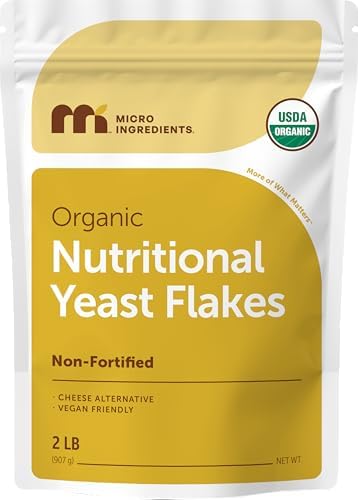
When shopping for nutritional yeast, a key distinction is between fortified and non-fortified varieties. Micro Ingredients offers a non-fortified option, meaning its B vitamins are naturally occurring from the yeast itself, not added synthetically, which appeals to those seeking whole-food sources. This 2-pound bag is marketed as a vegan protein source, dairy-free cheese substitute, and keto-friendly pantry staple, so understanding its unfortified nature is crucial for meeting your specific dietary goals.
Key Considerations Before Buying
- Non-fortified yeast provides B vitamins in their natural form, but the levels are lower and less consistent than in fortified versions. If you rely on nutritional yeast for a significant B12 boost, a fortified brand may be necessary.
- This product is certified organic, non-GMO, and gluten-free, which are important for consumers avoiding synthetic additives or gluten cross-contamination. Verify these certifications align with your dietary restrictions.
- At 2 pounds, this is a bulk purchase. Consider your usage rate: if you use nutritional yeast sparingly, it may lose freshness over time; store it in a cool, dark place or freeze portions to extend shelf life.
What Our Analysts Recommend
For non-fortified nutritional yeast, check the ingredient list—it should contain only one ingredient: yeast. Look for a flaky texture that dissolves easily in recipes, and a cheesy, nutty aroma. Certifications like USDA Organic and Non-GMO Project Verified add assurance of quality and sourcing.
Nutritional Yeast Market Context
Market Overview
The nutritional yeast market has expanded rapidly as plant-based diets and keto lifestyles gain popularity. Consumers now choose between fortified and non-fortified options, with the latter growing among clean-label advocates who prefer naturally occurring nutrients over synthetic additives.
Common Issues
A frequent concern is the inconsistency in flavor and texture across brands—some yeasts are too powdery or have a bitter aftertaste. Another issue is misleading labeling about B vitamin content, especially in non-fortified products where levels can be low.
Quality Indicators
High-quality nutritional yeast is characterized by a uniform flake size, a bright golden color, and a savory, cheesy smell. Certifications such as organic, non-GMO, and third-party lab testing for purity are strong indicators of a trustworthy product.
Review Authenticity Insights
Grade B Interpretation
With a Grade B and an estimated 10% fake review rate, this product has a moderate level of review manipulation. While the vast majority of reviews appear genuine—verified purchases with specific usage context—a small portion may be incentivized or fabricated, so it's wise to focus on detailed, balanced feedback.
Trust Recommendation
Given the high overall rating (4.89) and strong authenticity indicators among verified reviews, you can generally trust the positive sentiment. However, cross-reference a few recent reviews to ensure quality consistency, as older reviews may not reflect current batches.
Tips for Reading Reviews
For nutritional yeast, look for reviews that mention specific recipes (e.g., vegan cheese sauce, popcorn seasoning) and texture/flavor notes. Be cautious of overly short or vague five-star reviews, especially those with no usage context, as they may be less reliable.
Expert Perspective
Micro Ingredients' non-fortified nutritional yeast stands out for its clean ingredient profile and organic certification, appealing to those avoiding synthetic additives. The 4.89 rating and high review authenticity suggest strong user satisfaction, particularly among vegan and keto dieters who value its cheesy flavor and protein content. However, the adjusted rating of 4.60 and 10% fake review estimate indicate minor reliability concerns, so potential buyers should verify that the non-fortified B vitamin levels meet their nutritional needs.
Purchase Considerations
Weigh the benefits of natural B vitamins against the lower potency compared to fortified options. If you prioritize whole foods and clean labels, this is an excellent choice; if you need a reliable B12 source, consider a fortified alternative or supplement.
Comparing Alternatives
Shoppers should compare this with other non-fortified brands like Bragg or Sari Foods, and also consider fortified options from Anthony's or Now Foods if synthetic B vitamins are acceptable.


