
Connecting Your Cell Phone to Landline Phones: What Bluetooth Adapters Actually Deliver
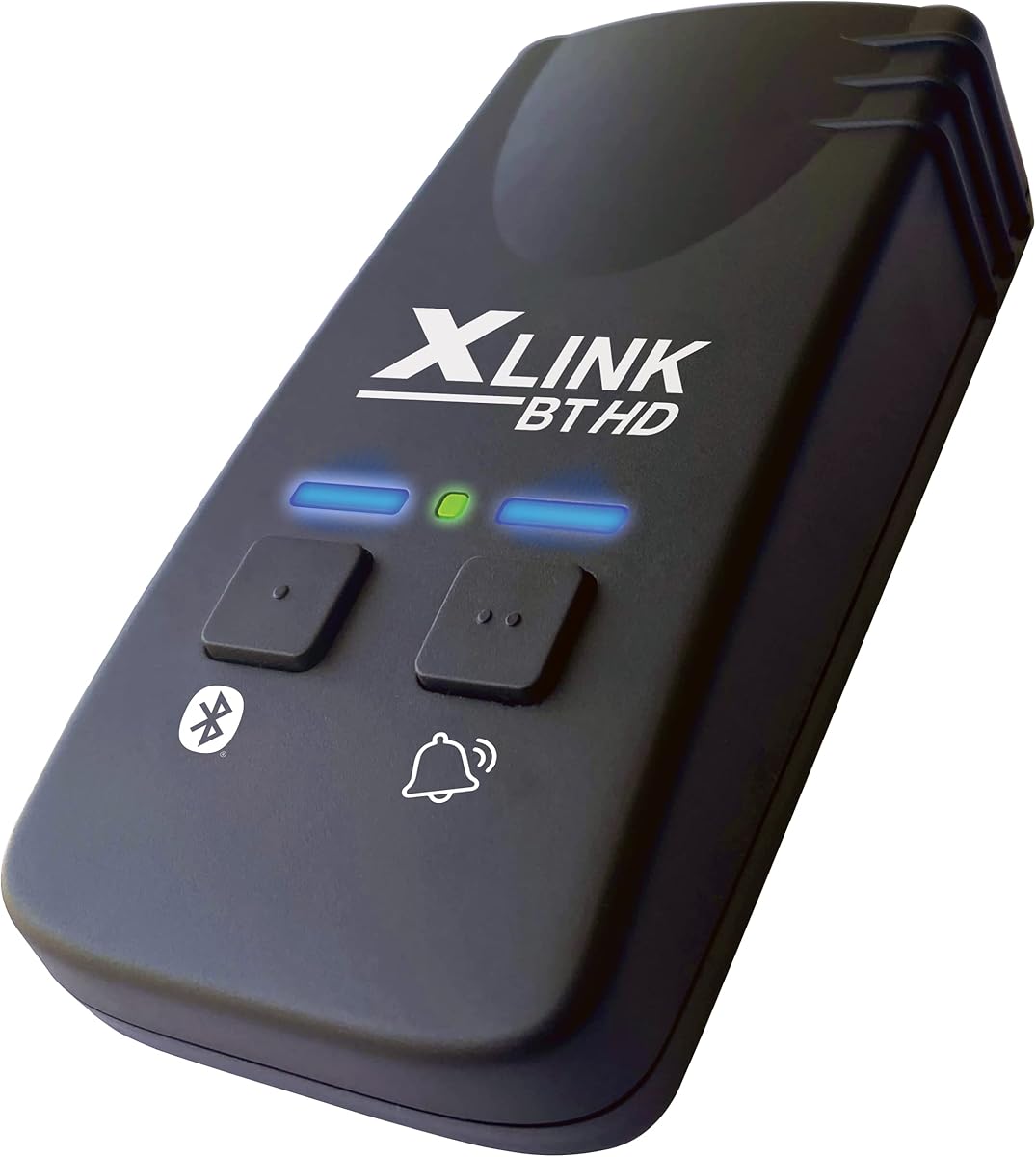
The Xtreme Technologies XLink BT HD bridges modern mobile convenience with traditional home telephone systems, specifically designed to pair one smartphone with multiple corded or cordless handsets. This adapter's claim to 'High Definition Audio' distinguishes it from basic Bluetooth solutions, promising clearer voice transmission than standard connections. Buyers should understand this device transforms existing landline phones into Bluetooth speakers for cellular calls.
Key Considerations Before Buying
- Compatibility verification is crucial—this adapter works with standard analog telephone systems (POTS) but not with digital/VoIP phone bases without analog ports, requiring you to check your home phone's connection type.
- The 'One Cell Phone' limitation means only a single smartphone can be paired at a time; households with multiple users needing simultaneous access would need a different solution.
- Audio quality expectations should be tempered—while marketed as HD Audio, real-world performance depends on your cell phone's Bluetooth codec support and the analog quality of your existing handsets.
What Our Analysts Recommend
Quality indicators include robust pairing stability that survives power cycles without reconnection issues, and clear audio passthrough without introducing static or delay. Look for specific mentions of successful integration with your telephone model type, whether corded, cordless DECT systems, or multi-handset bases, as performance can vary.
Adapters Market Context
Market Overview
The Bluetooth-to-landline adapter market serves a niche but persistent demand from users wanting to reduce cell phone radiation exposure during long calls or leverage existing whole-home telephone wiring. Products range from basic $20 units to sophisticated $80+ systems supporting multiple lines and phones, with the XLink BT HD positioned in the mid-range focusing on audio quality claims.
Common Issues
Frequent problems include pairing drops when the connected cell phone leaves and returns to range, compatibility conflicts with certain cordless phone systems, and audio quality degradation described as 'tinny' or 'distant' rather than the promised HD clarity. Installation confusion also arises regarding proper connection to phone jacks versus wall lines.
Quality Indicators
Superior adapters maintain consistent Bluetooth connections without requiring frequent re-pairing, preserve call audio quality without introducing echo or compression artifacts, and include clear visual status indicators for pairing and call activity. Build quality matters for devices meant to remain plugged in permanently.
Review Authenticity Insights
Grade B Interpretation
A Grade B authenticity rating with 11% estimated fake reviews indicates generally reliable feedback with moderate manipulation concerns. This suggests most reviews reflect genuine experiences, though shoppers should be slightly more critical of excessively glowing reviews that lack specific details about setup or usage scenarios.
Trust Recommendation
Focus on reviews that mention specific telephone models (e.g., 'worked with my Panasonic KX-TG series') and describe actual installation steps, as these demonstrate hands-on experience. Be skeptical of reviews that only praise general concepts like 'great sound' without comparing it to direct cell phone use.
Tips for Reading Reviews
Prioritize reviews discussing real-world testing scenarios like using the adapter with hearing aids, during extended conference calls, or with specific cordless phone systems. Look for mentions of firmware versions or technical details that indicate deeper product engagement beyond superficial impressions.
Expert Perspective
The Xtreme Technologies XLink BT HD's 4.10 adjusted rating from authentic reviews suggests it reliably performs its core function for compatible setups, though the gap between its advertised and adjusted ratings indicates some review inflation. Its positioning as an 'HD Audio' solution appears moderately supported by user feedback mentioning clearer sound than basic adapters, but not necessarily transformative audio quality. The device serves its specific niche well—users with single-cell-phone needs and analog telephone systems—but doesn't excel in multi-user environments or with digital phone bases.
Purchase Considerations
Weigh your need for whole-home telephone coverage against the single-pairing limitation, and verify your existing telephone equipment has standard RJ11 ports for connection. Consider whether the convenience of landline ergonomics justifies the setup complexity and potential audio quality trade-offs compared to Bluetooth headsets or speakerphones.
Comparing Alternatives
Shoppers should compare multi-phone pairing adapters and systems with integrated answering machines if those features better match their household needs.


