
Turn Your Canopy Into a Camping Tent: KAMPKEEPER Inner Tent Guide
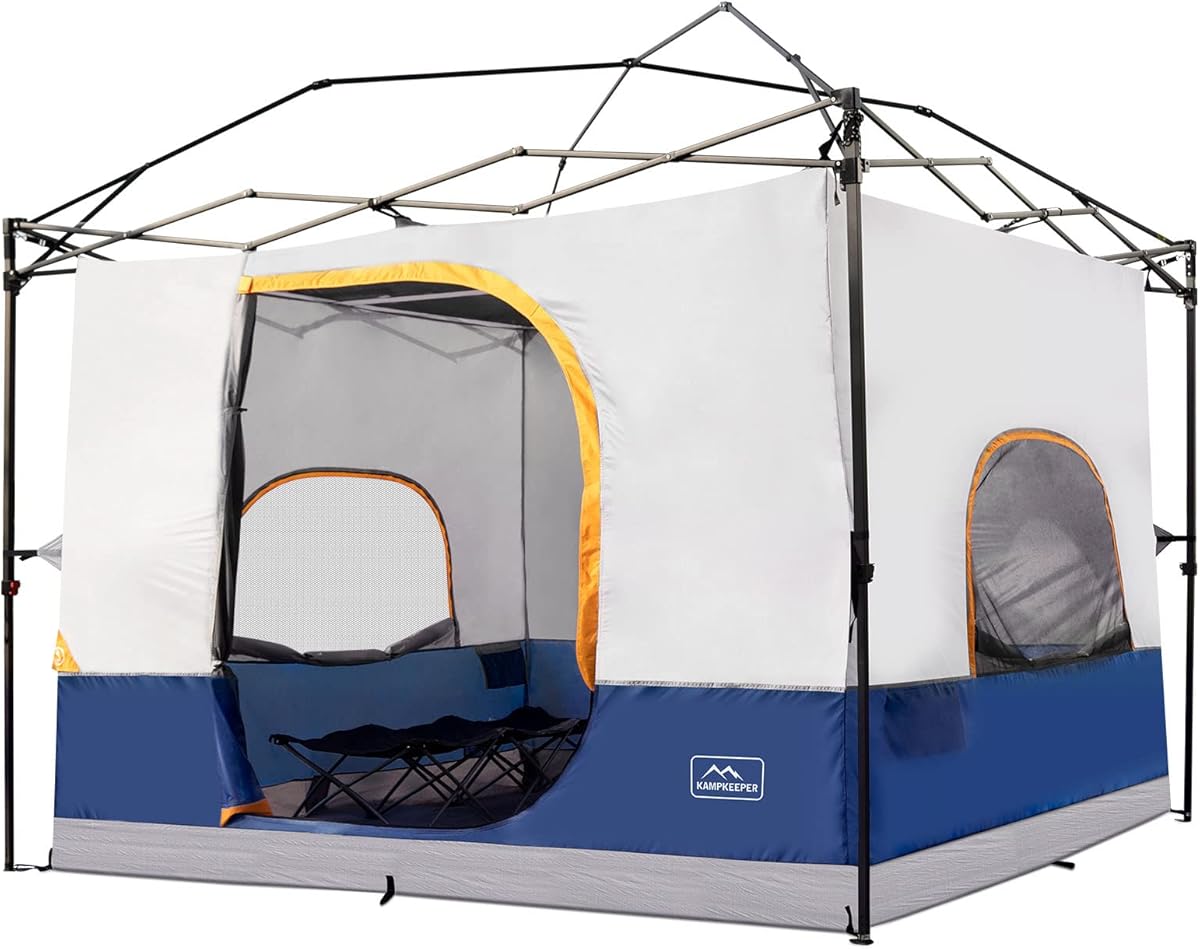
If you already own a 10x10 straight-leg pop-up canopy, the KAMPKEEPER inner tent offers a clever way to convert it into a fully enclosed sleeping space without buying a separate tent. This accessory attaches inside your canopy frame, creating a bug-proof, vented room for camping, while the canopy roof and frame remain separate purchases.
Key Considerations Before Buying
- Compatibility is critical: This inner tent only fits 10x10 straight-leg canopies with a frame that allows the tent to hang inside—ensure your canopy has the right dimensions and attachment points before purchasing.
- The fully vented roof design helps reduce condensation, but you'll need to manage airflow with your canopy's sidewalls or by leaving the canopy roof partially open in mild weather.
- Setup involves draping the tent over the canopy frame and securing it with straps or clips—practice at home first to avoid frustration at the campsite.
What Our Analysts Recommend
Quality indicators for canopy conversion tents include reinforced seams, durable zippers on the door and windows, and a waterproof floor bathtub design. Look for mesh panels that are fine enough to block small insects and a tight fit against the canopy frame to prevent gaps where bugs can enter.
Tents Market Context
Market Overview
The canopy-to-tent conversion market has grown as campers seek modular solutions that maximize existing gear. These inner tents appeal to festival-goers, tailgaters, and car campers who want quick setup without the bulk of a standalone tent, though they depend heavily on the host canopy's quality.
Common Issues
Common problems include poor fit on non-standard canopy frames, insufficient weather protection since the canopy roof may leak or flap in wind, and limited privacy if the canopy sides are left open. Ventilation can also be tricky, as the inner tent's vented roof relies on the canopy's airflow.
Quality Indicators
Look for heavy-duty polyester or nylon fabric with a hydrostatic head rating of at least 1500mm for rain resistance, taped seams, and a floor that extends slightly up the sides to keep out moisture. Strong attachment points (like velcro straps or clips) are essential for a stable setup.
Review Authenticity Insights
Grade B Interpretation
With a Grade B and an estimated 10% fake review rate, this product has a solid base of genuine feedback, but a small fraction of reviews may be unreliable. The 4.44 overall rating likely overstates the true user experience slightly, so the adjusted 4.20 is a more trustworthy benchmark.
Trust Recommendation
Focus on the 90% of reviews that appear authentic—especially those with detailed setup stories, photos, or specific pros and cons about fit and ventilation. Ignore very short or overly glowing reviews, as these are more likely to be incentivized or fake.
Tips for Reading Reviews
For this type of accessory, prioritize reviews that mention your specific canopy brand or model, as compatibility issues are the top concern. Look for comments on how the tent handles wind, rain, and condensation, since these are common pain points.
Expert Perspective
The KAMPKEEPER inner tent is a practical, space-saving solution for campers who already own a compatible 10x10 straight-leg canopy. Its vented roof and mesh panels address key comfort issues, but the reliance on an external canopy means weather protection is only as good as your canopy setup. The authentic review base suggests most users are satisfied, though a 4.20 adjusted rating indicates some minor drawbacks like fit inconsistencies.
Purchase Considerations
Weigh the cost of this inner tent (typically $50-$80) against a standalone tent of similar price—if you don't already own a canopy, buying both may not save money. Also consider your camping style: this works best for fair-weather car camping or events where you want a quick, elevated sleeping area.
Comparing Alternatives
Shoppers should compare this with other canopy conversion tents like the Core Instant Tent or similar offerings from brands like E-Z UP, paying attention to fabric weight, floor design, and attachment mechanisms.


