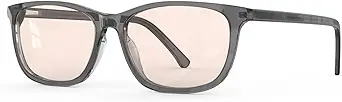
Photochromic Blue Light Glasses: What to Know Before Buying
ZAMGIC's photochromic sunglasses double as blue light blocking glasses, aiming to serve both indoor screen users and outdoor wearers. With a 4.22/5 rating from 143 reviewers, this dual-purpose approach is the product's core selling point — but it also raises questions about lens performance in each mode.
Key Considerations Before Buying
- Photochromic lenses darken in UV light and clear indoors, so verify that the tint activates quickly enough for outdoor transitions and returns fully clear for screen work. Cheap photochromic coatings often lag or retain a gray cast indoors, which undermines the blue light filtering benefit.
- Blue light blocking effectiveness depends on the lens's filtration range, not just the marketing claim. Look for specifics on how much blue light (typically in the 380–450nm range) is filtered, since a photochromic tint alone doesn't guarantee meaningful screen protection.
- Fit and frame weight matter for all-day wear, especially for men and women using these as daily computer glasses. Lightweight frames with adjustable nose pads reduce pressure points during long screen sessions, and a unisex design should be checked against your face width.
What Our Analysts Recommend
Prioritize lenses with a stated blue light filtration percentage and UV400 protection, since photochromic performance depends on UV exposure. Check whether the frame includes spring hinges or adjustable temples for durability, and confirm the lens material (polycarbonate is common and impact-resistant). Reviews mentioning lens clarity, tint speed, and long-term coating wear are the most reliable quality signals.
Blue Light Blocking Glasses Market Context
Market Overview
The blue light blocking glasses market has exploded as remote work and screen time increased, with prices ranging from under $15 to over $100. Photochromic hybrid models like this ZAMGIC pair sit in a growing niche that promises one pair of glasses for both indoor screens and outdoor sun, though performance varies widely by brand.
Common Issues
A frequent complaint in this category is that photochromic lenses don't darken fully in a car (windshields block UV) or take too long to transition. Buyers also report that blue light claims are overstated, with little measurable difference in eye strain, and that coatings scratch or peel within months.
Quality Indicators
Reliable products disclose lens specifications — UV400 rating, blue light filtration wavelength and percentage, and lens material. Strong indicators include consistent review mentions of clear indoor optics, fast tint changes, and frames that hold up after months of daily use. Vague marketing language without technical specs is a red flag.
Review Authenticity Insights
Grade B Interpretation
A Grade B authenticity score with an estimated 15% fake review rate means most reviews are likely genuine, but a meaningful minority may be incentivized or fabricated. The adjusted rating of 3.90/5 versus the displayed 4.22/5 suggests the product's true customer satisfaction is somewhat lower than the headline number implies.
Trust Recommendation
Trust the product's core strengths but discount the most glowing reviews. Focus on verified purchases with specific details about lens performance, and treat the 3.90 adjusted rating as a more realistic baseline. If the price is low, the risk of disappointment is limited; if it's premium, demand stronger evidence.
Tips for Reading Reviews
For blue light glasses, prioritize reviews that mention specific use cases — hours of screen time, outdoor driving, or tint transition speed — over generic praise. Look for patterns across multiple reviews about lens clarity or frame durability, and be skeptical of reviews that read like marketing copy or lack personal detail.
Expert Perspective
The ZAMGIC photochromic blue light glasses offer a practical two-in-one concept at a likely budget-friendly price, backed by mostly authentic reviews. However, the adjusted 3.90/5 rating and 15% estimated fake review rate suggest the product is good but not exceptional — typical of budget hybrid eyewear. The dual-function design is appealing, but buyers should expect compromises in either blue light filtration or photochromic speed compared to dedicated glasses.
Purchase Considerations
Weigh whether you need true blue light blocking for long screen sessions or mainly want sunglasses that double as light computer glasses. If your priority is serious screen protection, a dedicated non-photochromic pair may serve better; if you want convenience and UV protection, this hybrid could work. Check the return policy, since fit and tint performance are hard to judge online.
Comparing Alternatives
Shoppers should compare this model with other photochromic blue light glasses and standard blue light blockers from established eyewear brands to assess value and lens quality.