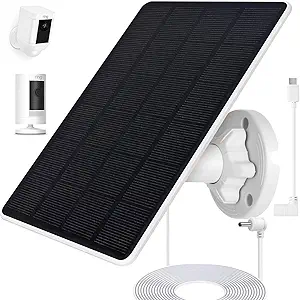
5 Tips for Choosing a Reliable Portable Solar Charger for Your Adventures
When you're heading out for a camping or hiking trip, a portable solar charger like the BLAVOR 10W model can be a game-changer for keeping your devices powered. However, not all solar chargers are created equal, and understanding key features like wattage, output ports, and weather resistance is crucial for making a smart purchase. Here’s what you need to know to avoid common pitfalls and find a charger that truly works in the wild.
Key Considerations Before Buying
- Output power matters: The BLAVOR offers a 10W output (5V/2A max), which is ideal for slow charging a phone or small tablet but won't power laptops or larger devices. Ensure the wattage matches your needs—10W is sufficient for topping off a smartphone during a day hike but may struggle in overcast conditions.
- Portability and build: This charger is foldable and small, making it easy to pack for backpacking. However, check the weight and folded size to ensure it fits your gear setup without adding bulk—compactness is key for multi-day trips.
- Weather durability: With an IPX4 waterproof rating, the BLAVOR can handle splashes and light rain, but it's not submersible. For camping in wet climates, consider a higher rating like IPX6 for added protection against heavy downpours.
What Our Analysts Recommend
Look for solar chargers with multiple output ports (like USB-A and USB-C) to charge different devices simultaneously. Also, prioritize models with high conversion efficiency (typically 20–23%) and a durable, scratch-resistant panel surface. A built-in smart chip that prevents overcharging is a bonus for protecting your gadgets.
Solar Panels Market Context
Market Overview
The portable solar charger market has grown rapidly as outdoor enthusiasts seek off-grid power solutions. Most sub-20W panels are designed for small electronics, with 10W being a sweet spot for budget-conscious hikers. However, efficiency varies widely, and many budget models fail to deliver advertised output in real-world conditions.
Common Issues
Users often report that solar chargers underperform in cloudy or shaded environments, leading to slower charging than expected. Another frequent complaint is flimsy build quality—panels that crack or USB ports that fail after limited use. The BLAVOR's IPX4 rating addresses some weather concerns, but long-term durability remains a question.
Quality Indicators
Quality portable solar chargers typically feature monocrystalline cells (more efficient than polycrystalline), reinforced stitching on foldable panels, and high-quality USB ports with secure connections. Look for brands that provide real-world testing data or include a carrying case for protection during transport.
Review Authenticity Insights
Grade B Interpretation
With a Review Authenticity Grade of B and an estimated 10% fake reviews, the BLAVOR's feedback is largely trustworthy but not flawless. This means about 42 of the 420 reviews may be suspicious, typically overly promotional or vague. The adjusted rating of 4.00/5 (down from 4.22) gives a more realistic picture of customer satisfaction.
Trust Recommendation
You can generally trust the positive and negative reviews, but focus on those that mention specific use cases, like charging times during a hike or performance in partial shade. Verified purchase badges add credibility, so prioritize these when reading feedback.
Tips for Reading Reviews
When evaluating solar charger reviews, look for details about charging speed in different weather conditions and device compatibility. Be wary of reviews that lack specifics or use generic language like 'works great' without mentioning the device or environment. Photos of the panel in use can also indicate genuine experiences.
Expert Perspective
The BLAVOR 10W Portable Solar Charger is a solid entry-level option for hikers and campers needing occasional phone top-ups, offering decent portability and weather resistance for its price. Its 4.00/5 adjusted rating suggests most users are satisfied, but the 10W output means it's not a fast charger—expect 1–2 hours to add 20–30% battery to a smartphone in direct sunlight. The inclusion of USB-C and USB-A outputs adds versatility, but the lack of a built-in battery or higher wattage limits its use for power-hungry devices.
Purchase Considerations
Weigh the charger's lightweight design and IPX4 rating against your typical weather conditions and device needs. If you primarily need emergency power for a phone during day trips, this is a cost-effective choice. For longer trips or cloudy climates, consider a higher-wattage panel or a model with a power bank integration.
Comparing Alternatives
Shoppers should compare this with other 10W–15W foldable panels like the BigBlue or Anker models, which may offer higher efficiency or better build quality, though often at a higher price point.