
Choosing a precision torque wrench for carbon fiber bicycle maintenance
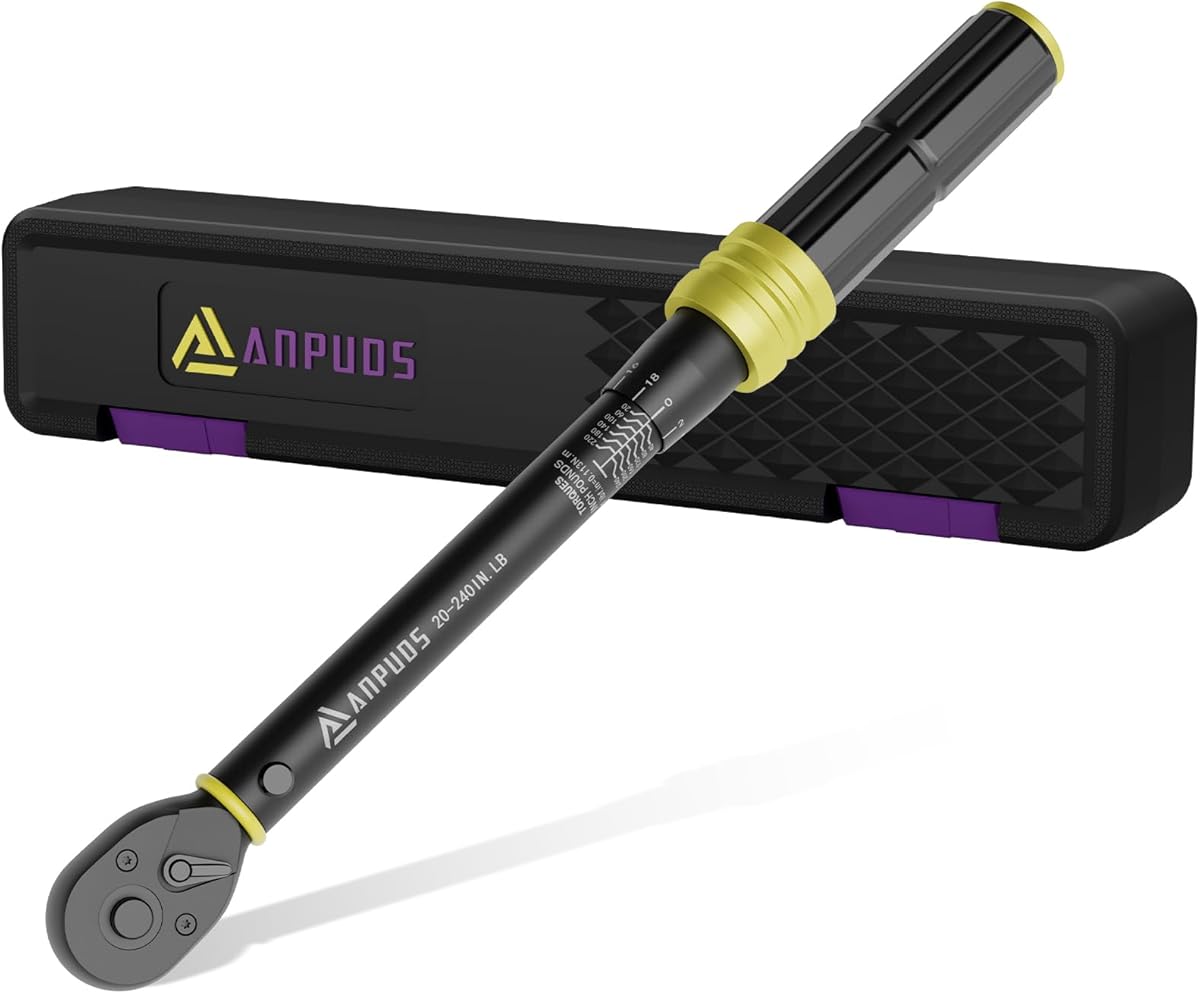
For carbon fiber bicycle components, precise torque application isn't just recommended—it's essential to prevent damage. This specific 1/4-inch drive wrench with its 20-240 in.lb range and ±3% accuracy targets the sweet spot for modern bike maintenance, where lightweight aluminum and carbon fiber components require careful fastening. The dual-direction 72-tooth mechanism offers versatility for both tightening and loosening applications in confined spaces.
Key Considerations Before Buying
- Verify the torque range matches your specific components—most modern bicycle stem bolts, derailleur clamps, and brake calipers fall within this 20-240 in.lb range, but some bottom brackets or cranksets may require higher torque.
- Consider the drive size compatibility; this 1/4-inch drive works with standard bike tool bits but may require adapters for some professional-grade sockets, unlike 3/8-inch drive wrenches.
- Evaluate the calibration mechanism—the click-type design with audible/tactile feedback requires proper resetting to zero after use to maintain accuracy, unlike digital models that don't require this step.
What Our Analysts Recommend
Quality indicators include a clearly marked scale with both inch-pounds and Newton-meters, a smooth ratcheting mechanism without excessive play, and a secure locking collar for torque setting. The 72-tooth dual-direction gear should operate smoothly without skipping, particularly important when working in tight bicycle frame geometries where swing arc is limited.
Torque Wrenches Market Context
Market Overview
The bicycle-specific torque wrench market has expanded significantly with the proliferation of carbon fiber components, creating demand for affordable precision tools that bridge the gap between professional shop equipment and home mechanic needs. Most offerings now include dual measurement scales and compact designs tailored to bicycle applications rather than automotive uses.
Common Issues
Many budget torque wrenches suffer from inconsistent calibration retention, with accuracy drifting beyond stated specifications after minimal use. Another frequent complaint involves poor directional switch mechanisms that fail to engage properly in reverse, particularly problematic when removing overtightened components without damaging delicate carbon fiber.
Quality Indicators
Look for wrenches that specify calibration certification (though not necessarily included at this price point), feature metal construction in high-stress areas rather than all-plastic bodies, and include protective storage cases that prevent accidental adjustment—critical for maintaining the ±3% accuracy claimed by this model.
Review Authenticity Insights
Grade B Interpretation
A Grade B authenticity rating with 11% estimated fake reviews indicates predominantly genuine feedback with some organized review activity. The 0.29-point drop from the displayed 4.89 to adjusted 4.60 rating suggests some review inflation, but the substantial verified purchase percentage lends credibility to the overall positive reception.
Trust Recommendation
Focus on reviews that mention specific use cases like carbon fiber seatpost installation or mountain bike brake caliper mounting, as these demonstrate actual application rather than generic praise. The high number of verified purchases (common with tool purchases) increases confidence in the performance claims regarding accuracy and durability.
Tips for Reading Reviews
Prioritize reviews discussing long-term accuracy retention and directional switch reliability over several months of use, as these address the tool's durability beyond initial impressions. Look for mentions of the locking collar's effectiveness—a common failure point in click-type wrenches that affects calibration stability.
Expert Perspective
This wrench's specifications align well with modern bicycle maintenance requirements, particularly its 20-240 in.lb range that covers approximately 90% of bicycle fasteners. The ±3% accuracy meets the threshold for carbon fiber safety when properly calibrated, though professional mechanics might prefer ±2% certified tools for critical applications. The 4.60 adjusted rating from over 3,500 reviews suggests strong user satisfaction, particularly regarding its lightweight design and clear scale markings that users specifically praise for bicycle work.
Purchase Considerations
Weigh the convenience of the dual-scale readout against your measurement preference—most bicycle manufacturers specify torque in Newton-meters, making the Nm scale essential. Consider whether the included storage case provides adequate protection for calibration integrity, as improper storage represents the primary cause of accuracy degradation in click-type wrenches.
Comparing Alternatives
Shoppers should compare the 72-tooth mechanism against competitors' 90-tooth designs for tighter working spaces, and verify drive size compatibility with their existing socket sets.


