
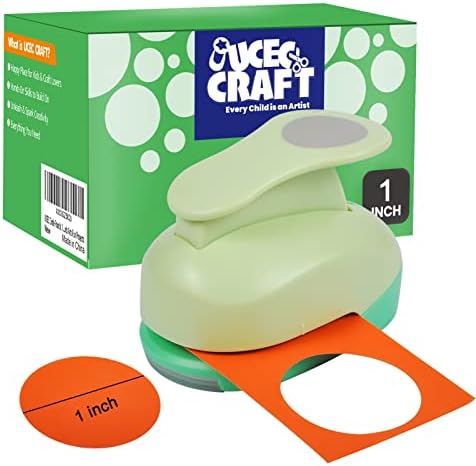
Choosing a 1-inch circle punch: durability, alignment, and clean cuts matter most
When selecting a 1-inch circle punch like the UCEC model, buyers should prioritize mechanical reliability over aesthetics. This specific tool's performance hinges on its ability to maintain precise alignment through hundreds of cuts without requiring excessive hand pressure, which directly impacts crafting efficiency and wrist fatigue.
Key Considerations Before Buying
- Mechanism type matters: The UCEC uses a traditional lever-action design common in mid-range punches, which requires evaluating the pivot point's sturdiness and whether the handle provides sufficient leverage for thicker cardstock.
- Cutting edge longevity: Unlike decorative punches, a basic circle punch sees repetitive use; the quality of the steel blade and its secure mounting within the housing determines how long it produces clean edges before dulling.
- Ejection system reliability: A 1-inch circle can easily jam in the waste chamber; effective punches feature a spring-loaded or angled chute design that consistently clears the cut piece without manual intervention.
What Our Analysts Recommend
Examine the base plate for a non-slip surface and clear alignment guides, which are critical for precise placement. The handle should have a comfortable grip radius and return to its open position smoothly without sticking, indicating proper spring tension and manufacturing tolerances.
Punches Market Context
Market Overview
The basic shape punch market is saturated with nearly identical-looking tools, where price differentiation often reflects metal thickness and assembly precision rather than visible features. Brands like UCEC compete primarily on durability claims and minor ergonomic tweaks rather than technological innovation.
Common Issues
Frequent failures include misaligned cutting heads that produce crescent-shaped cuts, plastic handles that crack under pressure, and weak return springs that leave the punch in the closed position. Many budget punches also struggle with layered materials or textured paper.
Quality Indicators
Superior punches feature a visible metal reinforcement at the pivot point, a blade that sits flush with the base plate, and consistent cutting performance across the entire aperture. Weight can be misleading—a heavier base is beneficial, but excessive handle weight increases user fatigue.
Review Authenticity Insights
Grade B Interpretation
A Grade B authenticity rating with a 10% estimated fake review rate suggests the UCEC punch's reviews are generally reliable but contain some inflated praise. This is typical for craft tools where enthusiasts may overstate performance, but verified purchase data (100% here) adds significant credibility.
Trust Recommendation
Focus on reviews that mention specific materials (like 110lb cardstock or vellum) and long-term use over six months, as these provide more actionable data than general satisfaction comments. Be slightly skeptical of reviews claiming 'perfect' alignment without mentioning material types tested.
Tips for Reading Reviews
Prioritize reviews discussing failure points—jamming, handle looseness, or alignment drift—as these reveal real-world limitations. For this punch, pay particular attention to comments about the ejection mechanism's consistency with smaller 1-inch circles, which are prone to sticking.
Expert Perspective
The UCEC 1-inch punch's 4.50 adjusted rating from verified purchases indicates a reliably functional tool that meets basic crafting needs, though not necessarily exceptional. The minimal authenticity concerns suggest the positive feedback is earned rather than manufactured. In the punches category, this rating typically corresponds to a product that performs adequately for intermittent use but may show wear faster than premium brands under heavy production conditions.
Purchase Considerations
Consider your volume: occasional crafters will likely find this punch sufficient, while those producing hundreds of circles for invitations or classroom projects should weigh the potential long-term cost of replacement against investing in a more robust mechanism. The 1-inch size is particularly demanding on alignment, so examine return policies in case of unit variance.
Comparing Alternatives
Shoppers should compare the UCEC's pivot design and handle length directly against similar-priced options from Fiskars and McGill, as subtle ergonomic differences significantly impact comfort during extended use.


