
Choosing the Right Activated Carbon Cabin Filter for Your Toyota or Lexus
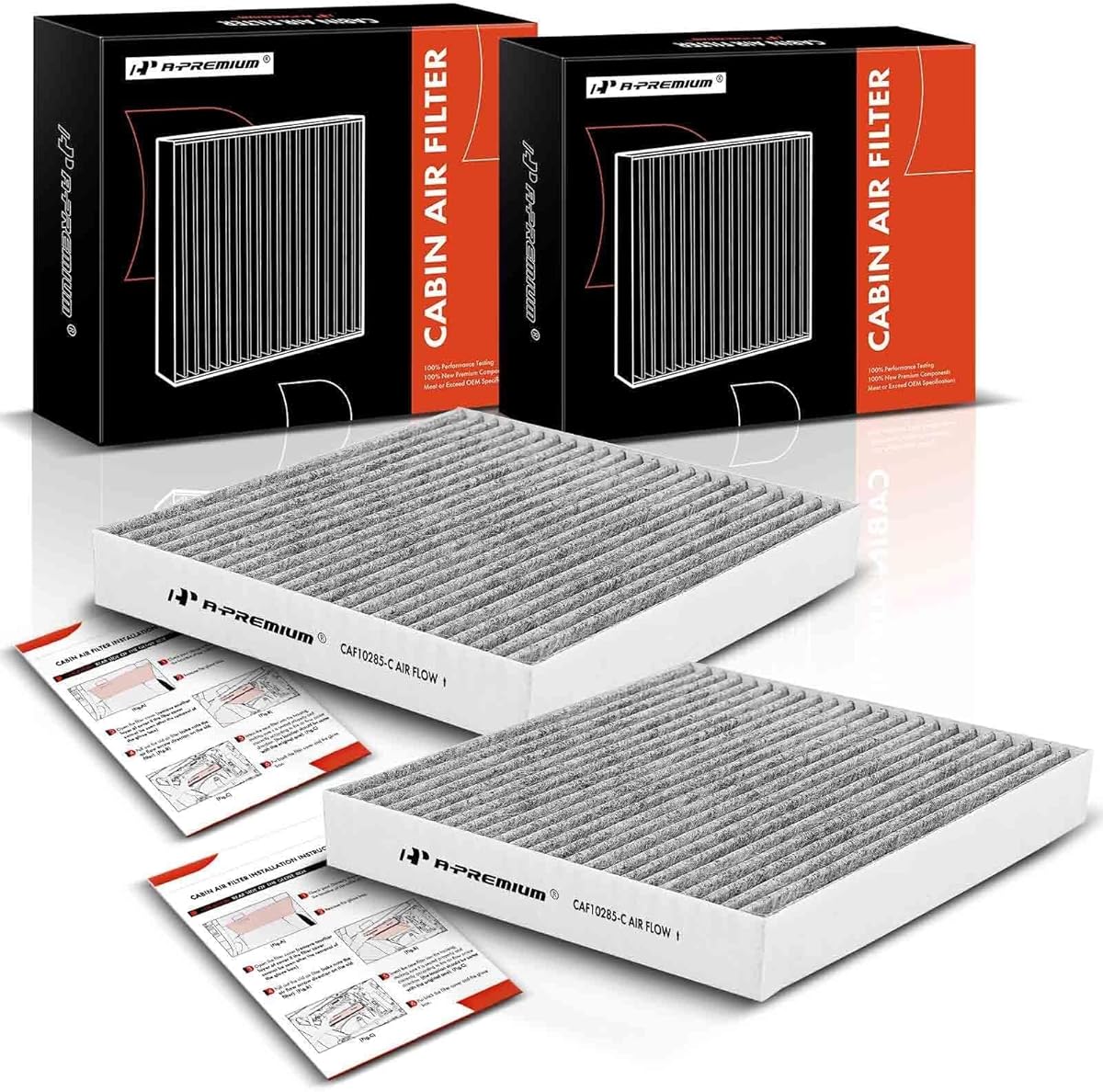
When selecting a cabin air filter for your Toyota, Lexus, or compatible vehicle, the A-Premium 2-PC set with activated carbon represents a specific value proposition. Unlike basic particulate filters, this product adds odor-neutralizing carbon layers, which is particularly valuable for drivers in urban areas or those sensitive to seasonal allergens. The two-pack configuration offers convenience for those who perform their own maintenance and want to keep a spare on hand.
Key Considerations Before Buying
- Vehicle compatibility is paramount; this filter fits numerous Toyota/Lexus models, but you must verify your specific year and trim, as a misaligned filter frame can cause air bypass and reduced effectiveness.
- The activated carbon layer's primary function is adsorbing gaseous odors and VOCs, not just trapping dust—ideal for city driving, but its capacity diminishes over time and requires regular replacement, typically every 12-15k miles.
- The two-pack format offers cost savings per filter but commits you to the same product for two service intervals; ensure you're satisfied with the first installation's fit and performance before relying on the second.
What Our Analysts Recommend
Examine the pleat density and the integration of the granular activated carbon layer—it should be firmly embedded between non-woven fabric layers, not loosely sprinkled. A quality indicator for this specific product is the precise perimeter sealing on the filter frame, which prevents unfiltered air from leaking around the edges once installed in your vehicle's housing.
Passenger Compartment Air Filters Market Context
Market Overview
The aftermarket cabin air filter segment is crowded, with products ranging from basic paper filters to multi-layer designs with carbon and antimicrobial treatments. Brands like A-Premium compete primarily on value bundles (like this 2-pack) and broad vehicle compatibility lists, targeting DIY owners of popular Japanese brands.
Common Issues
A frequent problem is filters that are slightly undersized or have flimsy frames, leading to improper sealing in the housing and 'air bypass,' where dirty air circulates around, not through, the filter media. Another concern is 'carbon shedding,' where loose carbon granules can theoretically be drawn into the blower motor.
Quality Indicators
Look for reviews mentioning a precise, snug fit without forceful compression. High-quality activated carbon filters will have the charcoal evenly distributed and bonded, not pouring out when handled. Stiff, well-molded plastic frames that match the OEM contour are a reliable sign of good manufacturing.
Review Authenticity Insights
Grade B Interpretation
A 'B' grade with an 11% estimated fake review rate suggests a generally trustworthy review pool with a minor but notable level of potentially inauthentic praise. For a product with over 300 verified purchases, this indicates most feedback is legitimate, but shoppers should be slightly skeptical of overly effusive 5-star reviews lacking specific installation or performance details.
Trust Recommendation
Focus on the 4.60 adjusted rating, which accounts for suspicious patterns—this is a strong, realistic score. Prioritize reviews that discuss long-term performance (odor control after several months) and fitment for your exact vehicle model, as these are harder to fabricate and provide the most actionable data.
Tips for Reading Reviews
Seek out reviews with photos of the installed filter, mentions of comparative thickness versus the old OEM filter, and notes on changes in airflow or cabin smell. Be wary of reviews that only praise packaging or delivery speed, as these are common hallmarks of incentivized feedback.
Expert Perspective
The A-Premium 2-Pack presents a compelling value for the DIY owner of a compatible vehicle. The high adjusted rating of 4.60, derived from predominantly verified purchases, strongly indicates customer satisfaction with fit and function. The activated carbon inclusion moves it beyond a basic particulate filter, addressing odors from traffic exhaust or organic decay, which is a common pain point the basic OEM filter may not solve. The two-pack pricing strategy effectively reduces the cost per replacement cycle, aligning well with the maintenance mindset of owners who perform this simple service themselves.
Purchase Considerations
Weigh the cost savings of the two-pack against the possibility that your vehicle may require a different filter style. If your primary concern is pollen and dust, a standard filter may suffice, but if you regularly encounter smoke, industrial, or musty odors, the activated carbon layer justifies the premium. Consider your replacement interval; if you drive low miles, the second filter will sit on a shelf for years.
Comparing Alternatives
Shoppers should compare the pleat count and carbon weight per filter with single-unit offerings from brands like FRAM or Bosch to assess true value.
![[2-Pack] EPAuto CP182 (CF11182) Cabin Air Filter Replacement for Honda Accord, Civic, CR-V, Fit, HR-V, Insight, Odyssey, Pilot, CR-Z, Clarity;Acura Integra,MDX,RDX,TLX - Fits Select Models 2009-2025](https://m.media-amazon.com/images/I/91tgohNmNiL._AC_SY300_SX300_QL70_FMwebp_.jpg)


