
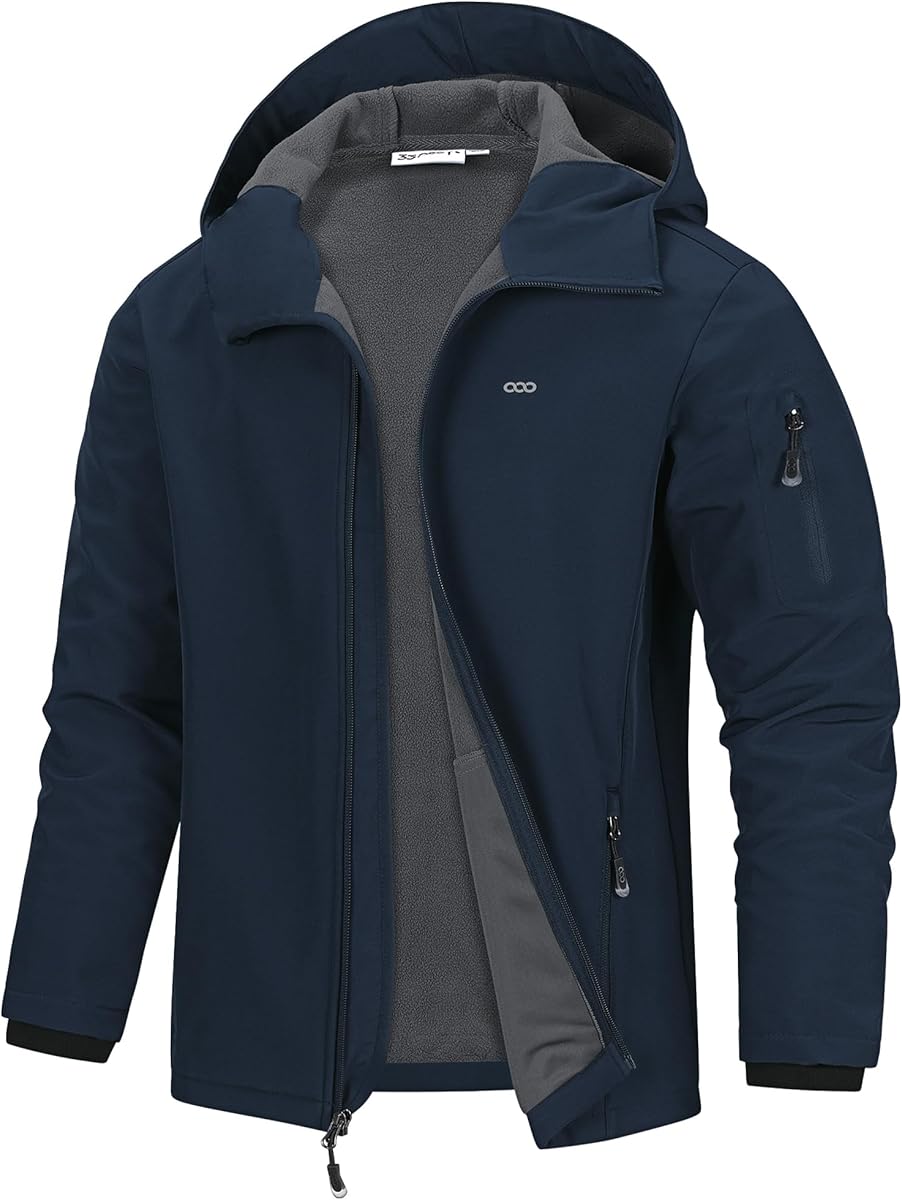
Balancing Weather Protection with Mobility in a Modern Softshell Jacket
The 33,000ft jacket combines multiple technical features—waterproofing, insulation, and a fleece lining—into a single lightweight shell. Buyers should understand that this 'hybrid' design prioritizes versatility for variable conditions over extreme performance in any single area, making it ideal for transitional weather and active use where breathability matters.
Key Considerations Before Buying
- Assess your primary need: Is it wind resistance, light rain protection, or thermal insulation? This jacket's triple-layer softshell construction offers moderate performance in all three, but won't replace a dedicated hardshell in a downpour or a heavy parka in deep cold.
- Consider fit for layering. The fleece lining and lightweight insulation add bulk; check reviews for notes on whether the sizing accommodates a mid-layer sweater or if it's designed for a trimmer, single-layer fit.
- Evaluate the hood's functionality. For a 'rain shell,' a hood that stows cleanly, adjusts snugly, and doesn't obstruct vision is critical. Look for mentions of its performance in actual wind and rain, not just its existence.
What Our Analysts Recommend
In this category, scrutinize the seam construction and zipper quality mentioned in reviews. Taped seams are essential for true waterproofing, while a wind-flap behind the main zipper prevents drafts. For a 'lightweight insulated' piece, check if the insulation is evenly distributed or prone to clumping after washes, a common failure point in budget-friendly jackets.
Shells Market Context
Market Overview
The men's performance shell market is saturated with 'all-in-one' jackets promising waterproof, windproof, and insulated performance at value price points. Brands often compete on feature lists rather than material quality, making detailed user experiences more valuable than specifications alone.
Common Issues
Common compromises include reduced breathability from waterproof membranes, insulation that loses loft quickly, and 'water-resistant' finishes that degrade after minimal washing. Zippers and elastic cuffs are frequent points of failure in this price segment.
Quality Indicators
Look for mentions of specific materials (e.g., 'DWR coating,' 'TPU membrane') and construction details like 'fully taped seams.' Reviews that describe multi-season use and washing durability provide stronger quality signals than first-impression testimonials.
Review Authenticity Insights
Grade B Interpretation
A 'B' grade with an 11% estimated fake review rate indicates a generally trustworthy review pool with a modest level of potentially incentivized feedback. The 0.27-point drop from the displayed 4.67 to the adjusted 4.40 rating suggests some review inflation, but the core sentiment from verified purchasers remains strongly positive.
Trust Recommendation
Prioritize reading the 3- and 4-star verified purchase reviews. These often contain the most balanced assessments of fit, waterproofing limits, and long-term durability, helping to ground the enthusiastic 5-star feedback. Be slightly skeptical of reviews that only praise generic 'great quality' without context.
Tips for Reading Reviews
Focus on reviews that describe specific use cases like 'dog walking in 40-degree rain' or 'commuting on a bike.' For this hybrid jacket, pay special attention to comments about how the fleece lining interacts with the waterproof layer during high-output activities, as this is a key comfort factor.
Expert Perspective
The 33,000ft jacket's strong adjusted rating of 4.40 from a large review pool suggests it successfully delivers on its core promise as a versatile, value-oriented softshell. The high volume of verified reviews detailing use in active, everyday contexts indicates it performs reliably for its intended purpose—light outdoor activity and urban wear in cool, damp conditions. The 'B' authenticity grade is typical for this popular category and doesn't negate the consistent patterns of satisfaction regarding its lightweight comfort and wind/water resistance.
Purchase Considerations
Weigh the jacket's multi-feature design against your climate's demands. If you face frequent heavy rain, a dedicated hardshell is better. If you need serious cold-weather warmth, a proper insulated coat is superior. This product excels as a 'good-at-many-things' option for mild to moderately cold, wet, and windy days where you're moving.
Comparing Alternatives
Shoppers should compare its specific blend of fleece lining and lightweight insulation against similar hybrids from brands like Columbia or The North Face, focusing on breathability ratings and warranty terms.


