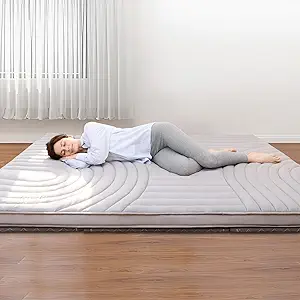
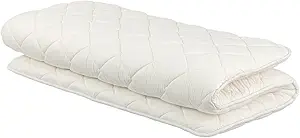
Choosing a Japanese Floor Bed: Height Adjustability and Solid Pine Construction Matter
The EMOOR OSMOS represents a specific category of Japanese-inspired floor sleeping solutions that differ significantly from Western bed frames. This particular model features three height settings (2, 7, and 12 inches) and solid pine construction, which buyers should evaluate against their mobility needs and aesthetic preferences. Unlike traditional Western bed frames, this design prioritizes airflow beneath futons and minimalist living spaces.
Key Considerations Before Buying
- Height adjustability (2/7/12in) directly impacts accessibility—the 2-inch setting creates a true floor-hugging profile ideal for traditional tatami rooms, while the 12-inch setting provides easier rising for those with mobility concerns.
- Solid pine construction versus engineered wood affects both durability and weight capacity; authentic Japanese futon frames use natural wood that breathes with humidity changes rather than composite materials.
- Slat spacing (approximately 2 inches in this model) determines futon support—wider spacing can cause mattress sagging, while this spacing accommodates both traditional shikibuton and thicker Western futons.
What Our Analysts Recommend
Examine the joinery method—dovetail or mortise-and-tenon construction indicates higher quality than simple screw assemblies. Check that the adjustable feet lock securely at all three height settings without wobble, as some users report instability at the highest setting. The Earth-Natural finish should show consistent grain patterns without blotchy stain application, which suggests proper wood conditioning.
Futon Frames Market Context
Market Overview
The Japanese floor bed market in the U.S. has expanded beyond traditional import shops to mainstream retailers, with increasing demand for authentic designs that accommodate both tatami mats and standard flooring. EMOOR occupies a mid-tier position between budget particle board frames and premium hinoki wood imports, offering solid pine at accessible pricing.
Common Issues
Many imported floor beds use wood that hasn't been properly kiln-dried for North American humidity levels, leading to warping or cracking within the first year. Adjustable height mechanisms often fail under regular use, particularly when switching between settings frequently. Some frames marketed for Japanese futons have slat spacing too wide for traditional shikibuton mattresses.
Quality Indicators
Genuine solid wood construction should be visibly apparent in end grain patterns and weight—this 45-pound frame suggests substantial material. Quality Japanese frames feature rounded slat edges to prevent futon fabric snagging and use non-marking rubber feet that won't damage flooring. The presence of center support legs (included here) indicates proper weight distribution engineering.
Review Authenticity Insights
Grade B Interpretation
A Grade B authenticity rating with 10% estimated fake reviews suggests predominantly genuine feedback with minor manipulation concerns. The 0.23-point drop from the displayed 4.33 to adjusted 4.10 rating indicates some inflated positive reviews, but the core rating remains strong. The multilingual reviews (Japanese, English, German) from verified purchases lend credibility to international user experiences.
Trust Recommendation
Focus on reviews discussing specific assembly experiences with the unique peg-and-hole system and height adjustment mechanism, as these details are harder to fabricate. Pay particular attention to reviews mentioning long-term use (6+ months) and how the solid pine handles seasonal humidity changes in different U.S. regions.
Tips for Reading Reviews
Look for reviews that mention the Earth-Natural finish's actual color variation (some note it's darker than photos show) and specific mattress compatibility details. Authentic reviews often describe the distinctive pine scent that lingers initially and whether the included tool adequately tightens the unique locking mechanisms.
Expert Perspective
The EMOOR OSMOS presents a compelling option for those seeking authentic Japanese floor sleeping with Western accessibility considerations. The three-height adjustment system addresses the primary compromise in floor beds—balancing traditional low-profile aesthetics with practical rising ease. The solid pine construction at this price point is noteworthy, though buyers should understand that natural wood requires more humidity consideration than engineered alternatives. The maintained 4.10 adjusted rating across nearly 500 reviews suggests consistent satisfaction with core functionality.
Purchase Considerations
This frame makes most sense for those using genuine Japanese futons or very low-profile mattresses under 8 inches thick—standard Western mattresses would negate the height adjustment benefits. Consider your climate: solid pine may expand/contract more in humid regions than engineered wood alternatives. The assembly requires careful attention to the orientation of the curved slats and proper tightening of the unique locking pins.
Comparing Alternatives
Shoppers should compare this with the IKEA HAUGA platform bed for similar height options and the J-Life International traditional frame for pure authenticity without adjustability features.