
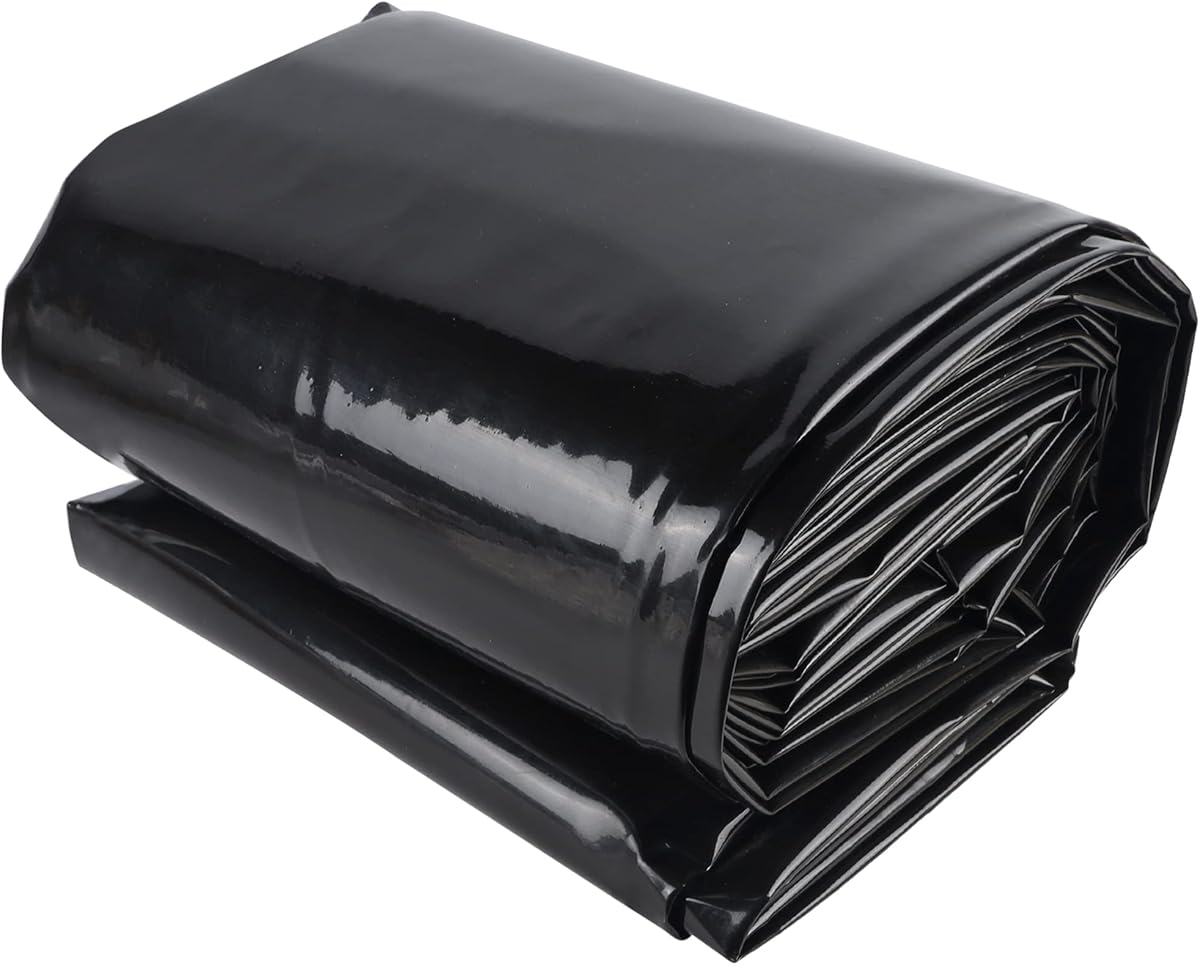
Choosing the Right 20 Mil HDPE Pond Liner for Your 15x20 Foot Water Feature
When selecting a 15x20 foot pond liner like this 20 mil HDPE option, you're investing in the foundation of your water feature. This specific size and material combination represents a substantial commitment for medium-to-large garden ponds, koi habitats, or water features with waterfalls. Understanding HDPE's unique properties compared to EPDM or PVC liners is crucial for long-term success.
Key Considerations Before Buying
- The 20 mil thickness provides puncture resistance for rocky installations but requires careful handling during cold weather installation when HDPE becomes less flexible.
- For a 15x20 foot liner, seam placement becomes critical—ensure your pond design accommodates the factory seams to avoid placing them in high-stress waterfall or stream areas.
- HDPE's chemical resistance makes it ideal for koi ponds where medications might be used, but its lower elasticity compared to EPDM requires more precise excavation with gradual slopes.
What Our Analysts Recommend
Quality HDPE liners should have consistent thickness throughout, visible reinforcement scrim (the crosshatch pattern within the material), and UV-stabilized formulations. Check for certification to NSF/ANSI 61 standards if using for potable water features, though this particular product appears targeted at decorative applications.
Pond Liners & Seals Market Context
Market Overview
The pond liner market has shifted toward thicker materials like this 20 mil option as homeowners seek longer-lasting installations. HDPE has gained popularity for its balance of durability and chemical resistance, particularly among koi enthusiasts who value its non-toxic properties and resistance to root penetration compared to thinner PVC alternatives.
Common Issues
Installation errors dominate complaints—improper underlayment selection, inadequate overlap at seams, and stretching HDPE too tightly during installation leading to stress points. Temperature sensitivity during installation causes more issues with HDPE than with more flexible EPDM liners, particularly in the 20 mil thickness range.
Quality Indicators
Premium HDPE liners feature carbon black UV stabilization (not surface coatings), consistent mil thickness verified by manufacturer testing, and proper packaging that prevents crease damage. The cross-directional reinforcement should be visible and evenly distributed, not concentrated in certain areas.
Review Authenticity Insights
Grade B Interpretation
A Grade B authenticity rating with 11% estimated fake reviews suggests generally reliable feedback with some promotional content. For this specific pond liner, the 4.20 adjusted rating (down from 4.44) indicates genuine satisfaction sits slightly below the surface rating but remains strongly positive overall.
Trust Recommendation
Focus on reviews discussing multi-season performance and installation challenges specific to HDPE's characteristics. The authenticity data suggests verified purchase reviews mentioning precise measurements, seam placement experiences, and temperature-related handling provide the most reliable insights for this product.
Tips for Reading Reviews
Prioritize reviews mentioning specific installation months (season affects HDPE flexibility), detailed excavation dimensions relative to the 15x20 foot size, and experiences with underlayment combinations. Reviews discussing multi-year performance carry more weight than initial installation impressions for pond liners.
Expert Perspective
This product's strong adjusted rating of 4.20/5 from authentic reviews indicates it performs well within the HDPE pond liner category. The 20 mil thickness represents a substantial mid-range option—thicker than economy 12-15 mil liners but more manageable than 30-45 mil industrial grades. The authenticity analysis suggests most negative feedback relates to installation learning curves rather than material defects, which is typical for rigid HDPE liners requiring precise site preparation. The 15x20 foot size fills a specific niche for medium-to-large residential ponds where seamless options become prohibitively expensive.
Purchase Considerations
Weigh HDPE's superior puncture and chemical resistance against its lower elasticity compared to EPDM alternatives. Consider whether your installation timeline allows for warm-weather placement when HDPE is most workable, and factor in underlayment costs separately as this appears to be a liner-only product. The 20 mil thickness provides good value for rocky soils but may be overkill for sandy, smooth excavations.
Comparing Alternatives
Compare this HDPE option against EPDM rubber liners for flexibility in complex shapes, and evaluate PVC alternatives if budget constraints outweigh longevity concerns.


