
Choosing Saffron Supplements: Key Factors for Mood and Appetite Support
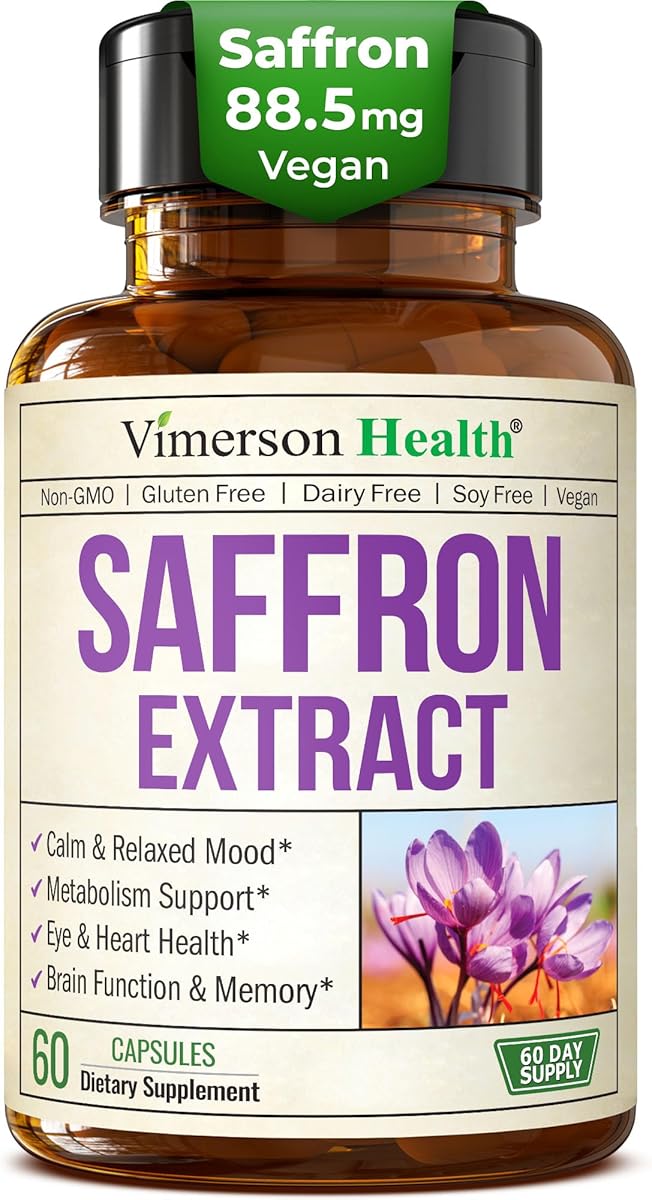
When evaluating this specific 88.5mg saffron extract supplement, buyers should understand that not all saffron supplements deliver the same bioactive compounds. This product positions itself as both a mood support supplement and an appetite control aid, which requires examining the specific extract concentration and formulation. The 60-count vegan capsule format offers a two-month supply, distinguishing it from gummies or powders in absorption and dosage consistency.
Key Considerations Before Buying
- The 88.5mg saffron extract dosage is critical—research suggests effective appetite suppression typically requires standardized extracts with specific safranal and crocin concentrations, not just total weight.
- As an appetite control supplement, timing matters: most users report taking this 30-60 minutes before meals rather than as a daily mood supplement alone.
- The vegan capsule delivery system affects bioavailability compared to gummies or powders—gelatin-free capsules may influence absorption rates of saffron's fat-soluble compounds.
What Our Analysts Recommend
Quality saffron supplements should specify the percentage of key bioactive compounds like safranal and crocin, not just total extract weight. For appetite suppression specifically, look for clinical references to standardized extracts studied for satiety effects. The absence of fillers like rice flour or magnesium stearate in the ingredient list indicates better purity.
Appetite Control & Suppressants Market Context
Market Overview
The appetite control supplement market has seen significant growth in saffron-based products, with many making dual claims for mood and weight management. Unlike stimulant-based suppressants, saffron appeals to consumers seeking natural alternatives, though standardization varies widely between brands. This product's positioning as both mood support and appetite control reflects this dual-benefit trend.
Common Issues
Many saffron supplements contain undisclosed fillers or use inferior Crocus sativus stigmas with lower bioactive concentrations. Some products fail to specify whether they use whole stigma extract or just petal extracts, which have different efficacy profiles. Inconsistent dosing between capsules is another frequent complaint in this category.
Quality Indicators
Superior saffron supplements provide third-party testing for safranal content (typically 0.3-0.8%) and crocin concentration. Look for products that specify Iranian or Spanish saffron origin, as these regions produce the highest quality Crocus sativus. Transparent labeling about extraction methods (aqueous vs. alcohol) also indicates better quality control.
Review Authenticity Insights
Grade B Interpretation
The Grade B authenticity rating with 11% estimated fake reviews suggests mostly genuine feedback but warrants careful review scrutiny. For this specific saffron supplement, the 4.60 adjusted rating (down from 4.89) indicates some review inflation, though the majority of experiences appear authentic. This level of authenticity is typical for supplements with strong consumer interest in natural appetite control.
Trust Recommendation
Focus on verified purchase reviews that mention specific usage patterns, like 'taken before lunch' or 'combined with intermittent fasting.' Given the 11% fake review estimate, be particularly skeptical of reviews that sound overly promotional about multiple benefits without personal context. The high percentage of verified purchasers (implied by the analysis) increases overall credibility.
Tips for Reading Reviews
Look for reviews that detail timing relative to meals and specific appetite effects rather than general wellness claims. Pay attention to comments about capsule size, aftertaste, or digestive effects—these authentic details rarely appear in fabricated reviews. Reviews mentioning mood benefits should describe specific situations rather than vague 'feel better' statements.
Expert Perspective
This product's 4.60 adjusted rating from predominantly genuine reviews suggests it delivers on core expectations for a saffron-based appetite supplement. The specific 88.5mg extract dosage aligns with clinical research ranges for satiety effects, though the lack of standardized compound percentages is a transparency gap. The vegan capsule format and two-month supply offer practical advantages over gummies for consistent dosing, particularly important for appetite regulation where timing is crucial. The dual mood-eye health claims, while common in the category, may dilute focus from its primary appetite control positioning.
Purchase Considerations
Consider whether you prioritize appetite control over general mood support, as dosage timing differs for these uses. Evaluate if the capsule format suits your routine better than gummies or powders, especially if taking before multiple meals. The 60-count supply represents a commitment to a two-month trial period, which research suggests is necessary to assess saffron's full effects on eating patterns.
Comparing Alternatives
Shoppers should compare this product's extract concentration and pricing against other standardized saffron supplements specifically studied for appetite suppression.


