
What to Know Before Buying Third-Party Wii Motion Controllers in 2024
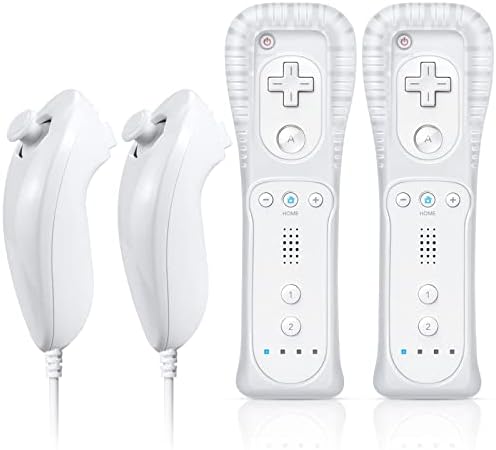
When replacing aging Nintendo Wii controllers, third-party options like the FASIGO 2-pack offer budget-friendly alternatives but come with specific trade-offs. These white controllers with matching nunchucks must balance motion accuracy, build quality, and compatibility with both Wii and Wii U systems—areas where aftermarket products often diverge from original Nintendo quality.
Key Considerations Before Buying
- Motion sensor calibration is critical—third-party controllers frequently have inconsistent sensitivity during games like Wii Sports that require precise movements.
- Battery compartment design matters—cheap battery doors can become loose or break, affecting the controller's longevity and usability.
- Nunchuck analog stick durability varies significantly—lower-quality sticks develop dead zones or drift faster than original Nintendo components.
What Our Analysts Recommend
Check reviews specifically mentioning extended play sessions and games requiring precise motion controls like 'Wii Sports Resort' or 'The Legend of Zelda: Skyward Sword.' Quality indicators include consistent mention of proper button responsiveness, absence of input lag during gameplay, and secure battery compartment construction that doesn't require tape or modifications.
Motion Controllers Market Context
Market Overview
The Wii accessory market is dominated by third-party manufacturers since Nintendo discontinued official production, creating a landscape where quality varies dramatically between brands. Products like the FASIGO 2-pack compete primarily on price point rather than matching original equipment specifications, appealing to users needing functional replacements for casual gaming.
Common Issues
Common problems include inconsistent infrared pointer accuracy on screen menus, motion sensors that don't properly register subtle movements, and connectivity issues that require frequent re-syncing with the console. Many third-party controllers also use cheaper plastics that feel lightweight and less durable than original Wii remotes.
Quality Indicators
Look for mentions of proper weight distribution (similar to original controllers), clear descriptions of button tactile feedback, and specific compatibility notes about Wii U GamePad integration. Higher-quality third-party controllers typically have more detailed reviews discussing specific game performance rather than just general functionality.
Review Authenticity Insights
Grade B Interpretation
A Grade B authenticity rating with 15% estimated fake reviews suggests most feedback is genuine but indicates some review manipulation is present. For this product category, this typically means inflated positive reviews emphasizing 'value' while downplaying performance shortcomings compared to original Nintendo controllers.
Trust Recommendation
Focus on verified purchase reviews that mention specific gameplay scenarios rather than generic praise. Be particularly skeptical of reviews claiming 'identical to Nintendo quality'—authentic reviews for third-party Wii controllers typically acknowledge some compromise in exchange for the lower price point.
Tips for Reading Reviews
Prioritize reviews discussing actual gameplay experiences over multiple sessions, and pay special attention to comments about nunchuck responsiveness in games like 'Mario Kart Wii' where analog precision matters. Look for patterns in negative reviews—consistent complaints about specific issues like motion calibration are more telling than isolated complaints.
Expert Perspective
The FASIGO 2-pack's 3.30 adjusted rating (down from 3.60) after removing suspicious reviews indicates a product that meets basic functionality needs but likely has noticeable quality compromises. The authenticity analysis suggests genuine users experience the expected trade-offs of third-party Wii controllers: functional for casual gaming but inconsistent for motion-intensive titles. The two-pack configuration makes sense for multiplayer gaming but amplifies any quality control issues across multiple units.
Purchase Considerations
Consider these controllers primarily for casual or family gaming where occasional calibration issues are acceptable, not for competitive play or games requiring precise motion controls. The value proposition hinges on whether saving approximately 50% compared to used original controllers justifies potential reliability concerns and shorter lifespan.
Comparing Alternatives
Shoppers should compare specific mentions of motion accuracy and build quality against other third-party brands like YCCTEAM or DOKISO, and consider refurbished original Nintendo controllers if budget allows.


