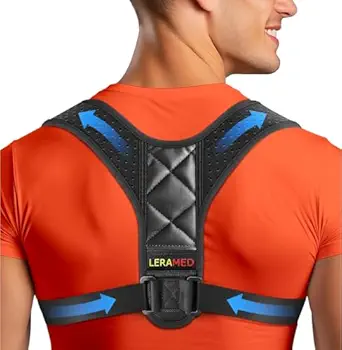
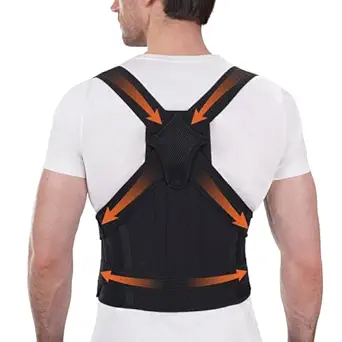
Posture Corrector Buying Guide: Key Factors for Upper Back Support
When considering an upgraded posture corrector like this back brace, which targets neck, shoulder, and waist pain, it's crucial to understand how design and adjustability affect both comfort and effectiveness. This guide focuses on key factors for choosing a full-back support system that provides lumbar support and pain relief for daily use.
Key Considerations Before Buying
- Material and breathability: Look for a brace made with moisture-wicking, lightweight fabric to prevent overheating during extended wear, especially if you plan to use it while working or exercising.
- Adjustability and fit: Ensure the brace offers multiple adjustment points (e.g., shoulder straps, waist belt) so you can customize tension and support without restricting movement or causing discomfort.
- Targeted support zones: A good posture corrector should provide distinct support for the upper back, shoulders, and lower back, not just a single compression band, to address posture issues comprehensively.
What Our Analysts Recommend
Quality indicators include reinforced stitching at stress points, a contoured lumbar pad that maintains its shape, and a design that encourages active muscle engagement rather than relying solely on passive compression. Also check if the brace has been tested for durability and if the manufacturer offers a satisfaction guarantee or sizing guidance.
Back Braces Market Context
Market Overview
The back brace market has expanded rapidly with many 'upgraded' versions claiming improved comfort and support, but product quality varies widely. Consumers are increasingly seeking braces that combine medical-grade support with everyday wearability, leading to more hybrid designs that blend rigid and flexible materials.
Common Issues
Common problems include braces that slip out of position, cause skin irritation, or are too bulky to wear under clothing. Many users also report that overly tight braces can lead to muscle weakness if worn continuously, so proper usage guidelines are critical.
Quality Indicators
Quality products typically feature adjustable straps with no-slip grips, hypoallergenic padding, and a design that allows for a full range of motion. Look for braces that have positive user feedback on long-term durability and consistent pressure distribution, as well as clear instructions for gradual weaning off if used for pain relief.
Review Authenticity Insights
Grade B Interpretation
With a Review Authenticity Grade of B and an estimated 10.00% fake review rate, this product's feedback is largely trustworthy but not flawless. The 10% suspicious reviews likely include a small number of incentivized or overly promotional posts that may exaggerate benefits, but the core sentiment is reliable.
Trust Recommendation
You can generally trust the aggregated rating of 4.44 out of 5, but focus on reviews from verified purchases that mention specific details about fit, comfort, and pain relief over time. Avoid placing heavy weight on reviews that lack personal context or use generic language.
Tips for Reading Reviews
For back braces, pay special attention to reviews that describe the user's body type, activity level, and how the brace performed during daily tasks like sitting at a desk or lifting. Look for comments on adjustability and whether the brace stayed in place, as these are common pain points.
Expert Perspective
This upgraded posture corrector appears to be a solid option for individuals seeking comprehensive support from neck to waist, with the adjusted rating of 4.20 out of 5 indicating consistent satisfaction among genuine users. The high volume of verified reviews (over 3,000) provides a robust data set, though the 10% fake review rate suggests some marketing exaggeration. The product's emphasis on lumbar support and full back coverage addresses common posture issues, but its effectiveness will depend on proper sizing and consistent use.
Purchase Considerations
Consider your primary need: if you require targeted upper back support for desk work, this brace's full-back design may be more than necessary, but it could be ideal for those with multiple pain points. Be prepared to follow a gradual wearing schedule to avoid dependency, and ensure the brace's fit aligns with your body measurements.
Comparing Alternatives
Shoppers should compare this brace with more specialized options, such as those focused solely on shoulder retraction or lower back support, to match their specific posture goals.