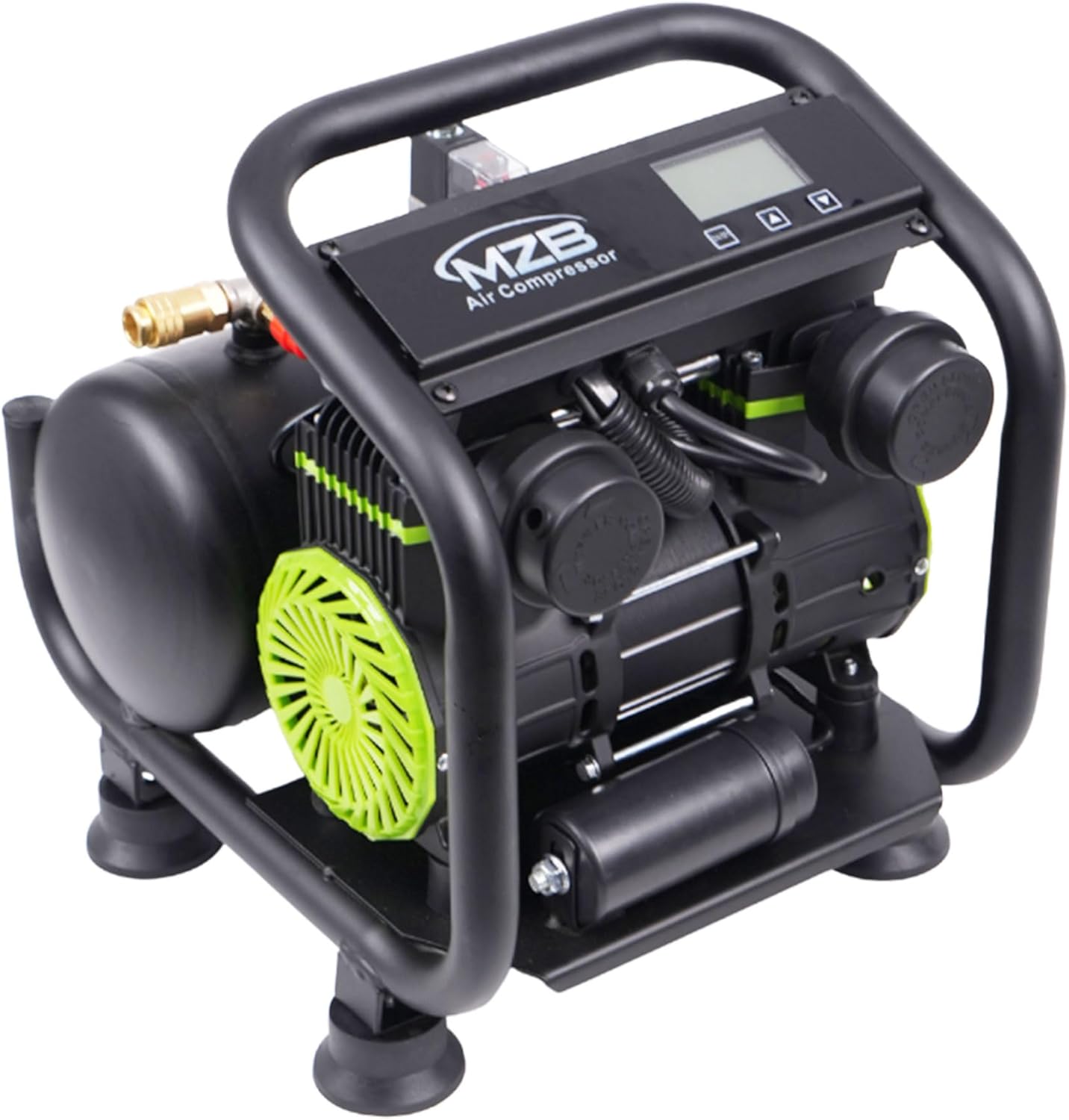
Choosing a Reliable Bounce House Blower: Power, Heat, and Durability
When selecting a blower for your bounce house or inflatable, the 950W/1.27HP motor and double-sided fan blade design are key features to consider. This specific model promises strong wind output and effective heat dissipation, which are critical for continuous operation during events.
Key Considerations Before Buying
- Motor Power and Airflow: Ensure the blower's wattage and horsepower (like 950W/1.27HP) match the size of your inflatable—larger slides or castles require higher CFM to stay fully inflated and safe.
- Heat Dissipation: Look for designs with double-sided fan blades or built-in vents to prevent overheating during prolonged use, as this directly impacts motor lifespan and safety.
- Portability and Build: Weigh the blower's weight and handle design; commercial units are often heavier but must be easy to transport between job sites or storage.
What Our Analysts Recommend
Quality indicators include a robust motor housing (often metal or high-grade plastic), thermal overload protection, and a sealed fan assembly to reduce dust ingress. Check for certifications like ETL or UL, which confirm electrical safety standards for continuous outdoor use.
Portable Air Compressors Market Context
Market Overview
The portable air compressor market for inflatables has shifted toward higher-power, quieter units as consumers demand longer run times for commercial-grade bounce houses. Budget-friendly models often sacrifice heat management, leading to premature failure under heavy use.
Common Issues
Common problems include motor burnout from inadequate cooling, airflow reduction due to clogged intake vents, and noise levels that disturb events. Users also report inconsistent inflation with underpowered blowers, especially for multi-chamber inflatables.
Quality Indicators
High-quality blowers feature sealed bearings, vibration-dampening feet, and a fan blade design optimized for static pressure (not just free airflow). Look for models with user-replaceable cords and filters, which extend service life.
Review Authenticity Insights
Grade B Interpretation
A Grade B with 10% estimated fake reviews suggests that while the vast majority of feedback is genuine, roughly 1 in 10 reviews may be unreliable. This is common for popular products, but the 4.89 rating remains largely trustworthy after adjusting to 4.60.
Trust Recommendation
Prioritize reviews with detailed usage contexts, such as 'used for a 15-foot slide at a birthday party' or 'ran for 6 hours straight.' Verified purchase tags and photos of the blower in action add credibility. Be cautious of overly brief or generic five-star reviews.
Tips for Reading Reviews
For bounce house blowers, focus on reviews that mention heat buildup after several hours—this is a real-world stress test. Also check for comments on noise levels, as decibel ratings are rarely listed but matter for residential events.
Expert Perspective
This 950W blower with a double-sided fan blade appears well-suited for medium to large inflatables, given its strong wind output and emphasis on heat dissipation—a common failure point in cheaper units. The 4.89 rating (adjusted to 4.60) reflects genuine user satisfaction, though the 10% fake review rate warrants caution. Its commercial-grade motor suggests it can handle back-to-back events, but buyers should verify compatibility with their specific inflatable's CFM requirements.
Purchase Considerations
Weigh the upfront cost against potential repair expenses—investing in a blower with better cooling and a reliable motor can prevent mid-event deflation. If you host frequent parties or rent out equipment, this model's durability likely justifies the price; for occasional home use, a lower-watt option may suffice.
Comparing Alternatives
Shoppers should compare this blower with others in the 1-1.5HP range, noting differences in noise output, warranty length, and included accessories like tapered nozzles for different inflatable types.