ABS Stimulator: Are EMS Ab Belts Worth the Hype?
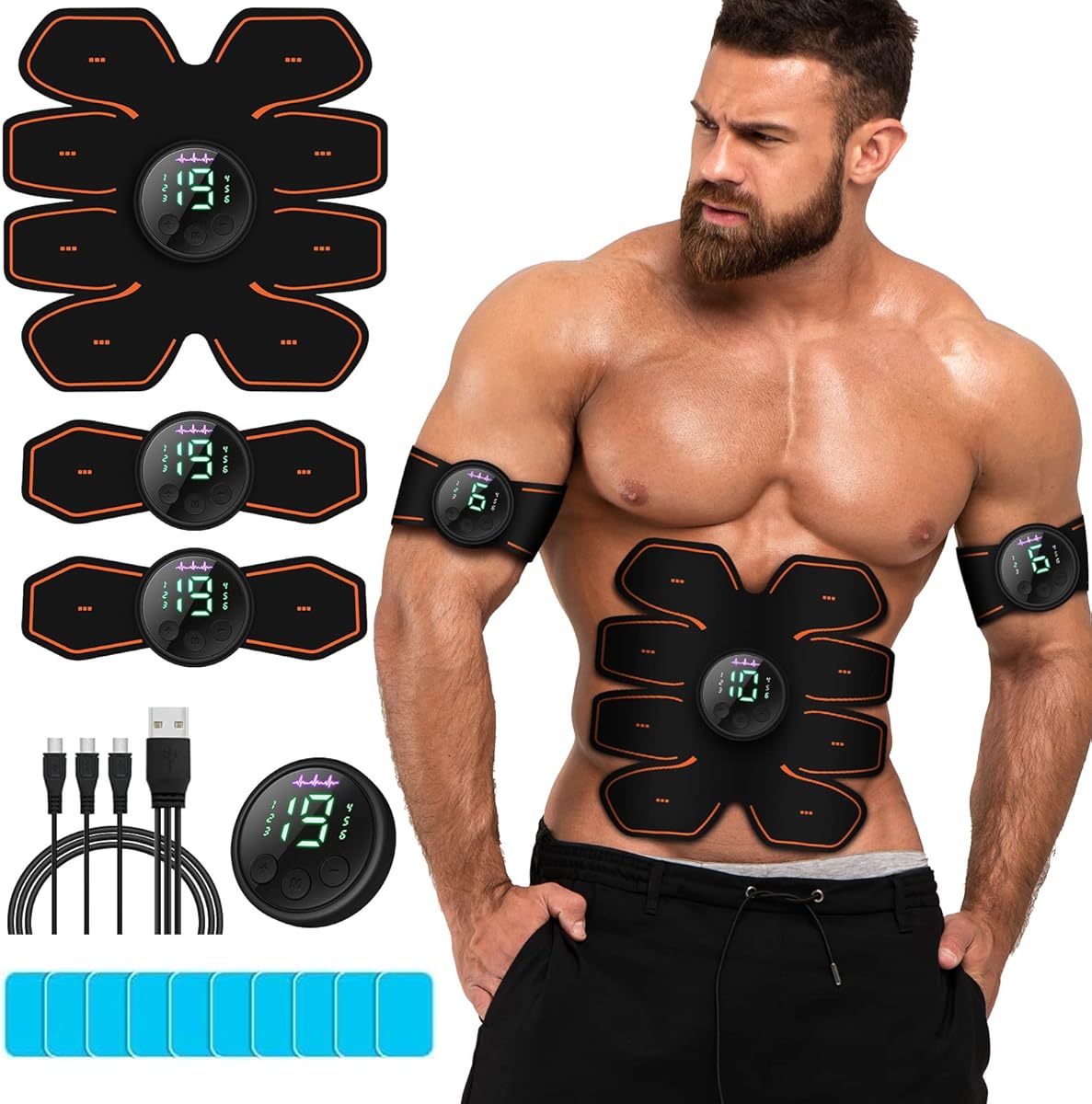
If you're considering the ABS Stimulator Workout Equipment, a USB-rechargeable EMS (Electrical Muscle Stimulation) device, it's crucial to understand that this is not a substitute for traditional strength training. These gadgets target abdomen, arm, and leg muscles by sending electrical impulses to contract muscle fibers, potentially aiding in muscle activation or recovery. However, realistic expectations are key—this gear can complement your routine but won't replace the core work needed for visible abs.
Key Considerations Before Buying
- Effectiveness vs. Marketing: While EMS can assist in muscle toning, studies show it's most effective when combined with active exercise, not as a passive solution for fat loss. Don't expect spot reduction of belly fat from this device alone.
- Comfort and Pad Quality: The adhesive electrode pads are a common pain point—they can wear out after repeated use, reducing conductivity and requiring replacement. Ensure the product includes extra pads or check for pad durability in reviews.
- Intensity Settings: Look for multiple intensity levels to accommodate different fitness levels. A device with too few settings may not provide enough stimulation for muscle growth or may be uncomfortable for beginners.
What Our Analysts Recommend
Quality indicators include a rechargeable battery with long life (USB-C is a plus), medical-grade or hypoallergenic pads to reduce skin irritation, and clear instructions on placement and usage. Also, verify if the device is FDA-cleared or has clinical backing, as this distinguishes serious EMS tools from gimmicks.
Strength Training Equipment Market Context
Market Overview
The EMS fitness device market has exploded with brands promising 'six-pack shortcuts,' but consumer awareness is growing. Many products are affordable ($30–$60), but quality varies wildly, with some delivering only mild tingling versus effective muscle contractions.
Common Issues
Common complaints include pad adhesive failure after a few uses, weak battery life, and devices that overheat or deliver inconsistent pulses. Additionally, users often report that results are underwhelming when used without a proper diet and exercise plan.
Quality Indicators
Look for devices with adjustable pulse width and frequency (e.g., 20–100 Hz for muscle building), a warranty of at least 6 months, and positive long-term reviews (not just first-week impressions). Brands that provide replacement pads or offer a satisfaction guarantee tend to be more reliable.
Review Authenticity Insights
Grade B Interpretation
With a B grade and an estimated 10% fake review rate, this product's feedback is largely trustworthy but not flawless. The analysis suggests that most reviews are from verified purchasers sharing specific, balanced experiences—a good sign for reliability. However, the 10% suspicious reviews could inflate the 4.22 star rating slightly.
Trust Recommendation
You can generally trust the majority of reviews here, but pay extra attention to critical 3- or 4-star reviews, as they often reveal honest limitations like pad durability or intensity expectations. Filter by 'Verified Purchase' to minimize fake feedback.
Tips for Reading Reviews
For EMS devices, focus on reviews that mention usage frequency (e.g., 'used daily for 4 weeks'), specific body parts targeted, and any skin reactions. Be wary of reviews that only praise results without describing a routine or that lack personal details.
Expert Perspective
The ABS Stimulator offers a reasonable entry point for EMS-based muscle activation, especially given its USB rechargeability and multi-body area coverage. However, its effectiveness is highly dependent on user consistency and realistic goals—it's a tool, not a magic bullet. The B-grade authenticity analysis supports that real users find it helpful for muscle awareness or recovery, but not for dramatic fat loss or abdominal definition without exercise.
Purchase Considerations
Weigh the low cost (typically under $50) against the need for ongoing pad replacements and the fact that results require complementary strength training. If you're a beginner looking to explore EMS as a supplement, this could be a low-risk trial. But if you expect a standalone solution for a toned core, you'll likely be disappointed.
Comparing Alternatives
Shoppers should compare this with other EMS devices like the PowerDot or Marc Pro, which offer more clinical-grade features and replaceable pads, albeit at a higher price point.