Evaluating NSF-Certified Saffron Extract: Beyond Generic Health Claims
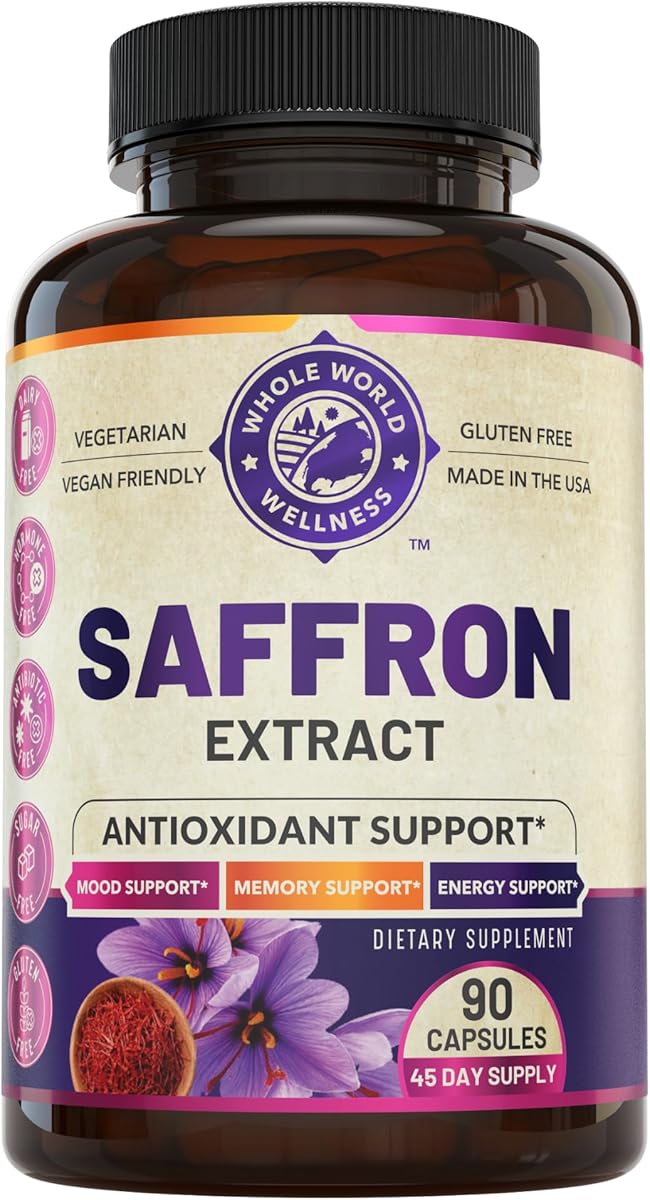
When considering this specific saffron supplement, buyers should understand that its NSF certification for sport is a significant differentiator in the herbal market, indicating third-party testing for contaminants and label accuracy. The product's broad claims spanning weight, cognitive, and digestive health require scrutiny of dosage and standardization, as saffron's active compounds (crocin, safranal) vary widely between extracts.
Key Considerations Before Buying
- Verify the extract's standardization level; a potent saffron extract should specify its safranal and crocin content, not just total milligrams.
- Assess your primary health goal, as this product makes claims across eight distinct areas—saffron research is strongest for mood and appetite, with more preliminary evidence for other benefits.
- Consider the NSF certification's value; it confirms the absence of heavy metals and adulterants, which is critical given saffron's high cost and frequent adulteration in the supply chain.
What Our Analysts Recommend
Look for clear labeling of the saffron stigma part used (not just 'saffron extract') and the extraction method. A quality indicator for this specific product is the NSF mark, which is more rigorous than standard GMP certifications. Be wary of supplements that claim '100% pure' without third-party verification like this one has.
Herbal Supplements Market Context
Market Overview
The saffron supplement market is currently fragmented, with products ranging from simple powdered stigmas to highly concentrated, standardized extracts like this one. Demand is driven by research on saffron's potential mood and appetite-modulating properties, leading to a surge in products making expansive health claims.
Common Issues
Common problems include adulteration with cheaper dyes or other flower parts, inconsistent potency between batches, and exaggerated claims unsupported by the specific extract's dosage. Many products lack the NSF or other third-party certification this one possesses.
Quality Indicators
Beyond certification, quality is indicated by transparency: listing the country of origin (often Iran, Spain, or India), the concentration ratio (e.g., 1% safranal), and using dark glass bottles to protect light-sensitive compounds—details a reputable brand should provide.
Review Authenticity Insights
Grade B Interpretation
A Grade B authenticity score with an 11% estimated fake review rate suggests a generally trustworthy review section, but advises cautious optimism. For this saffron extract, it means most experiences are genuine, but a small portion of reviews may artificially inflate ratings for a product with already broad, ambitious claims.
Trust Recommendation
Prioritize verified purchase reviews that detail specific, measurable outcomes over several weeks, such as changes in snack cravings or mood consistency, rather than vague praise. Given the adjusted rating of 4.0, weigh the critical 1-3 star reviews discussing lack of effects or value carefully.
Tips for Reading Reviews
Focus on reviews that mention concurrent lifestyle factors (diet, stress) and note the timeframe for noticing effects, as saffron's benefits for appetite or mood may take 4-8 weeks. Be skeptical of reviews claiming immediate, miraculous results across all eight health areas.
Expert Perspective
This product presents a paradox common in herbal supplements: strong credibility markers like NSF certification are paired with exceptionally broad health claims that stretch the evidence for a single ingredient. The adjusted 4.00 rating from authentic reviews indicates satisfied users, likely for core benefits like mood or appetite support, but the sheer scope of claims—from eye to brain to skin health—requires consumer skepticism. The certification assures product purity and accuracy, but does not validate the efficacy of every claimed benefit.
Purchase Considerations
Weigh the premium for NSF certification against your need for guaranteed purity, especially if you are sensitive to contaminants. Determine if your goal aligns with saffron's best-researched uses, or if you are expecting a panacea. Consider the cost per serving relative to the dosage; a clinically effective dose for mood support is typically 30mg of a standardized extract.
Comparing Alternatives
Shoppers should compare this extract's standardization details and cost per milligram of active compounds with other NSF-certified or clinically-studied saffron supplements.