Solar predator lights require strategic placement and realistic expectations for effectiveness
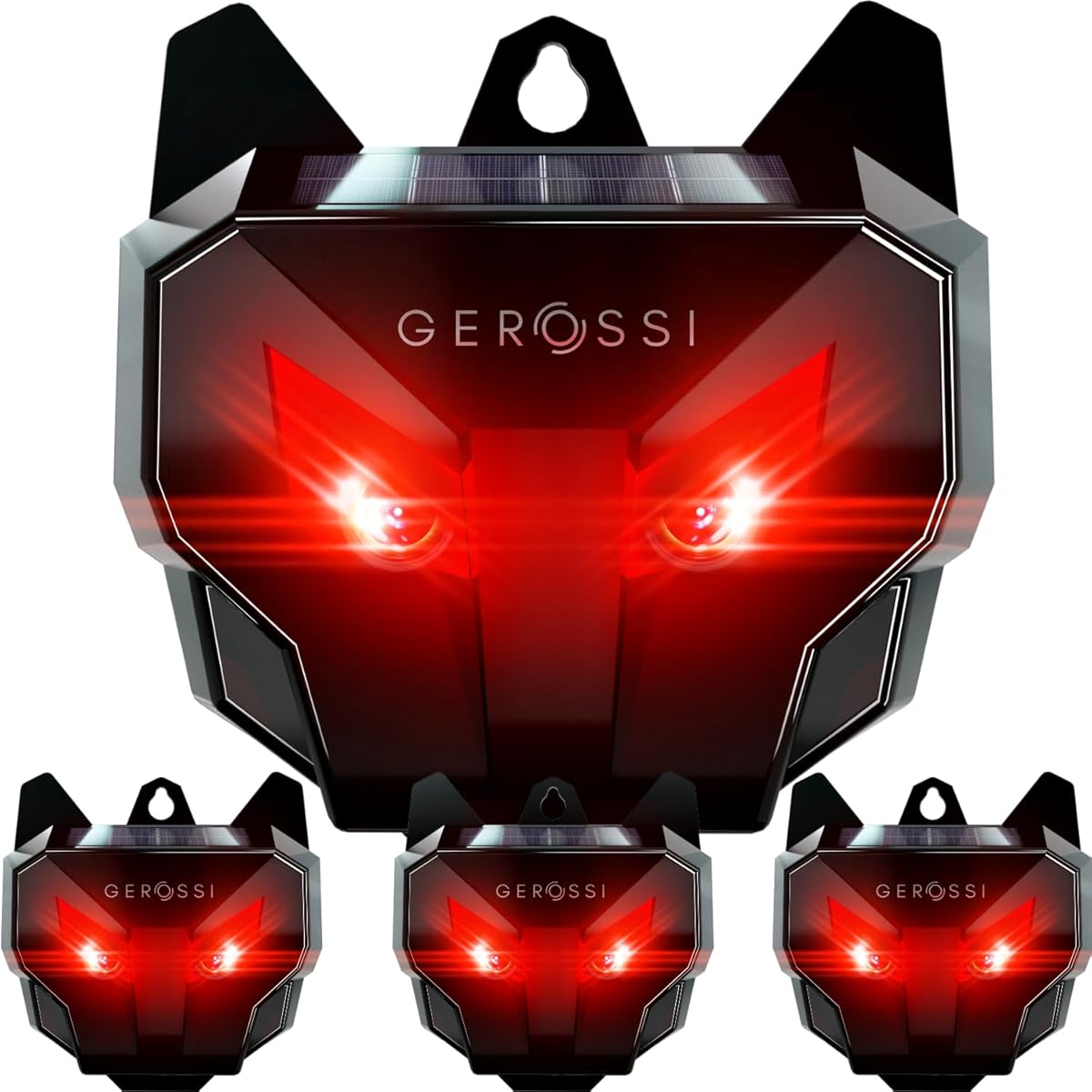
This Solar Nocturnal Animal Repeller uses flashing red LED lights to deter nocturnal animals, claiming effectiveness against coyotes, deer, foxes, raccoons, and skunks. Unlike ultrasonic devices, it relies on visual disturbance rather than sound, which means its performance depends heavily on placement and animal habituation patterns.
Key Considerations Before Buying
- The solar-powered design requires direct sunlight for optimal charging—shaded areas will reduce effectiveness and require manual charging.
- Animals may become habituated to the flashing lights over time, requiring periodic relocation of units to maintain deterrent effect.
- The 4-pack configuration suggests coverage for multiple entry points rather than a single area, as each unit has limited range and directional effectiveness.
What Our Analysts Recommend
Quality indicators include durable waterproof construction (IP65 rating or higher), adjustable sensitivity settings for the motion sensor, and clear documentation about solar panel wattage and battery capacity. Look for reviews mentioning specific installation heights and angles that worked for different animal types.
Ultrasonic Repellers Market Context
Market Overview
The solar predator light market has expanded rapidly as homeowners seek non-lethal solutions for protecting gardens and livestock, with visual deterrents gaining popularity over traditional ultrasonic models that have mixed effectiveness reports. These devices occupy a middle ground between simple scarecrows and expensive electric fencing systems.
Common Issues
Common problems include inconsistent solar charging in cloudy climates, animals quickly adapting to static light patterns, and limited range claims that don't account for real-world obstacles like vegetation or structures. Many users report initial success followed by diminished effectiveness after several weeks.
Quality Indicators
Higher-quality units feature adjustable flash patterns to prevent animal habituation, multiple mounting options for optimal positioning, and realistic range specifications (typically 30-50 feet for visual deterrents). Premium models include backup power options for consecutive cloudy days.
Review Authenticity Insights
Grade B Interpretation
A Grade B authenticity rating with 11% estimated fake reviews indicates predominantly genuine feedback but suggests some review manipulation. The adjusted rating of 3.50/5 (down from 3.67/5) reflects this moderate level of authenticity concern.
Trust Recommendation
Focus on reviews that describe specific installation scenarios (chicken coop protection versus garden defense) and mention timeframes for effectiveness. Be particularly skeptical of reviews claiming '100% effectiveness' or those that don't mention any limitations of solar-powered operation.
Tips for Reading Reviews
Prioritize reviews that discuss placement strategies, charging performance in different weather conditions, and observations about which specific animals were or weren't deterred. Look for patterns in 3-star reviews, which often provide the most balanced assessments of real-world performance.
Expert Perspective
This product's 3.50 adjusted rating suggests mixed but generally authentic user experiences. The solar-powered visual deterrent approach works best for skittish animals in open areas but may struggle with determined predators or in heavily wooded environments. The 4-pack configuration is appropriate for perimeter defense but requires strategic placement to create overlapping coverage zones. Success depends heavily on understanding local animal behavior patterns and willingness to regularly adjust unit positions.
Purchase Considerations
Consider your specific predator threats—visual deterrents typically work better for deer and raccoons than for highly motivated coyotes. Evaluate your property's sunlight exposure, as shaded installation points will compromise the solar charging capability. Factor in the maintenance requirement of periodically moving units to prevent animal habituation.
Comparing Alternatives
Compare with motion-activated sprinkler systems for garden protection and properly constructed physical barriers for serious predator threats to poultry.