
Evaluating Biofeedback Devices: What the Orb's Design Means for Your Meditation Practice
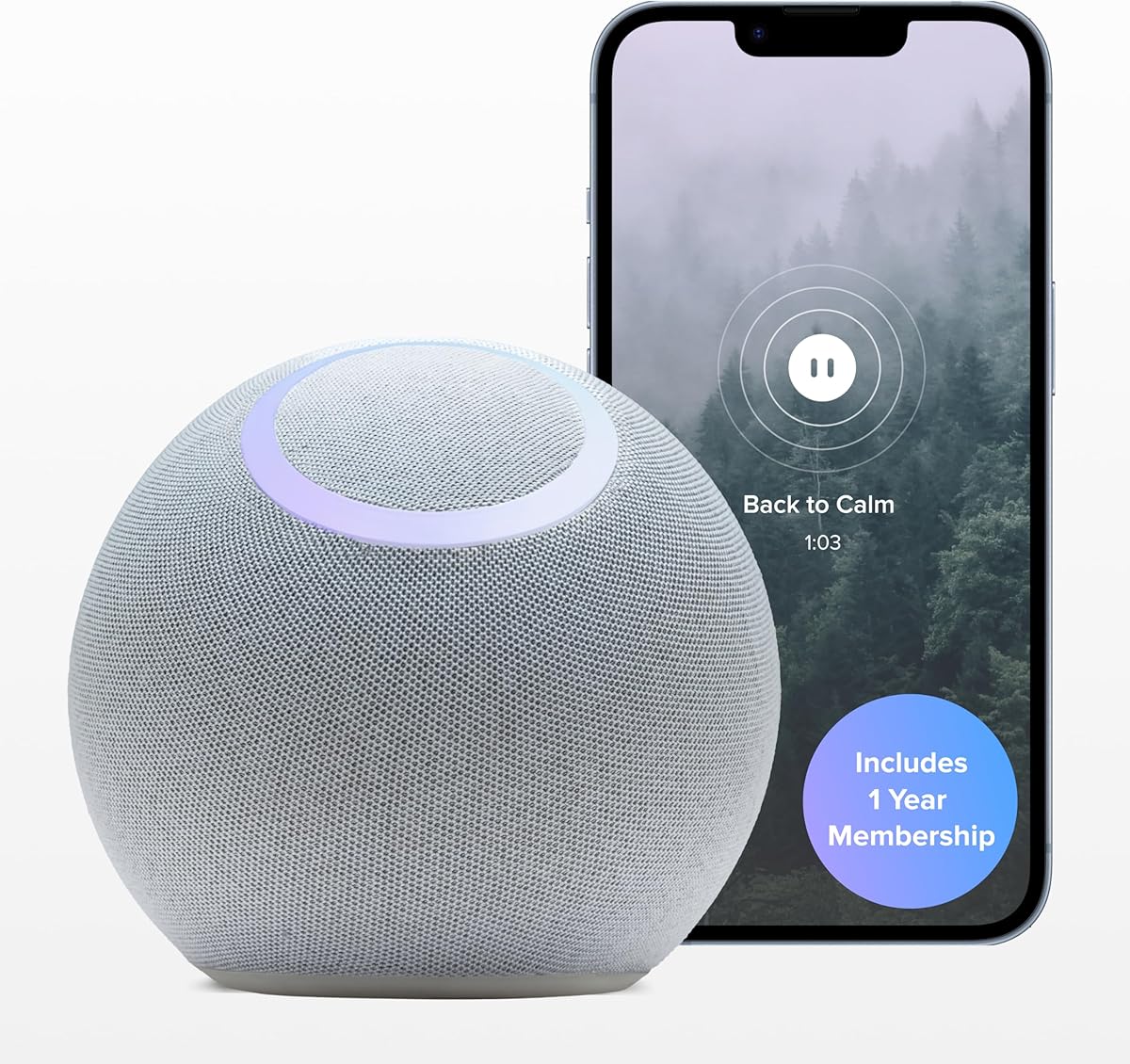
The Orb represents a specific category of wearable biofeedback devices that use haptic and auditory cues to guide meditation and stress management. Unlike generic meditation apps, this physical device provides tangible feedback through vibration and sound, requiring buyers to understand how its tactile approach differs from purely digital solutions. The product's positioning as a tool for ADHD strategies and emotional regulation suggests it targets users seeking structured, physical intervention rather than passive guidance.
Key Considerations Before Buying
- Biofeedback specificity: The Orb claims to measure physiological signals to guide meditation; verify whether it tracks heart rate variability (HRV), skin conductance, or other metrics, as this determines the quality of feedback you'll receive.
- Integration requirements: This device likely requires pairing with a smartphone app for full functionality; consider your willingness to manage both a physical object and digital platform for daily practice.
- Learning curve vs. immediate use: Devices like the Orb often require a calibration period where the algorithm learns your baseline; assess whether you prefer immediate results or are patient with adaptive technology.
What Our Analysts Recommend
Quality in this niche is indicated by transparent sensor technology (e.g., photoplethysmography for pulse) and clear explanations of how biofeedback translates to haptic cues. Examine whether the manufacturer discloses the specific physiological parameters measured and how the vibration patterns correspond to different mental states. The 3.90 adjusted rating suggests some performance variability worth investigating in detailed reviews.
Sound Therapy Market Context
Market Overview
The sound therapy and biofeedback device market has expanded beyond singing bowls and ambient noise machines to include tech-enabled wearables that promise quantifiable mental state improvement. Products like the Orb compete with both traditional meditation tools and clinical-grade biofeedback equipment, occupying a middle ground that appeals to consumers wanting more than an app but less than medical devices.
Common Issues
Devices in this category often struggle with consistent sensor accuracy during movement, battery life during extended meditation sessions, and overly simplistic algorithms that fail to account for individual physiological differences. Many products also make ambitious claims about managing clinical conditions like ADHD without sufficient clinical validation, creating expectations that may not match reality.
Quality Indicators
Superior products in this space provide detailed data export options, customizable feedback thresholds, and evidence-based protocols (like coherent breathing guidance). Look for devices that reference specific therapeutic frameworks, such as polyvagal theory for anxiety management, rather than vague wellness terminology.
Review Authenticity Insights
Grade B Interpretation
A Grade B authenticity rating with 15% estimated fake reviews indicates generally reliable feedback but suggests moderate review manipulation. For a niche product like the Orb, this often manifests as overly enthusiastic reviews emphasizing 'life-changing' results without detailing the learning process or specific use cases.
Trust Recommendation
Focus on the 3.90 adjusted rating rather than the 4.22 displayed rating, as this reflects verified user experiences more accurately. Pay particular attention to mixed reviews (1 in this analysis) and the single negative review, as these often contain the most substantive information about limitations and realistic outcomes.
Tips for Reading Reviews
For biofeedback devices, prioritize reviews that describe specific scenarios (e.g., 'helped me notice shallow breathing during work meetings') over vague praise. Look for mentions of long-term use (weeks or months) rather than initial impressions, as the value of such devices often emerges after the novelty phase.
Expert Perspective
The Orb's positioning as a multi-purpose tool for meditation, anxiety, and ADHD strategies raises questions about specialization versus generalization in biofeedback devices. The 79-review sample size is modest for this category, suggesting either newer market entry or niche appeal. The gap between displayed (4.22) and adjusted (3.90) ratings indicates some review inflation, though the B grade suggests most feedback represents genuine experiences. Products making broad claims across multiple conditions (stress, ADHD, emotional regulation) often excel at one primary function while delivering mediocre performance on others.
Purchase Considerations
Weigh the Orb's physical feedback mechanism against your meditation style: some practitioners find haptic cues disruptive, while others benefit from the tangible reminder. Consider whether you need a dedicated device or if smartphone-based biofeedback (using camera-based pulse detection) might suffice for your goals. The ADHD strategy claims warrant particular scrutiny, as effective tools for executive function typically require more than passive biofeedback.
Comparing Alternatives
Compare the Orb's approach with other biofeedback methods like heart rate variability trainers (HeartMath) or EEG-based meditation devices (Muse) to understand different technological approaches to similar goals.


