
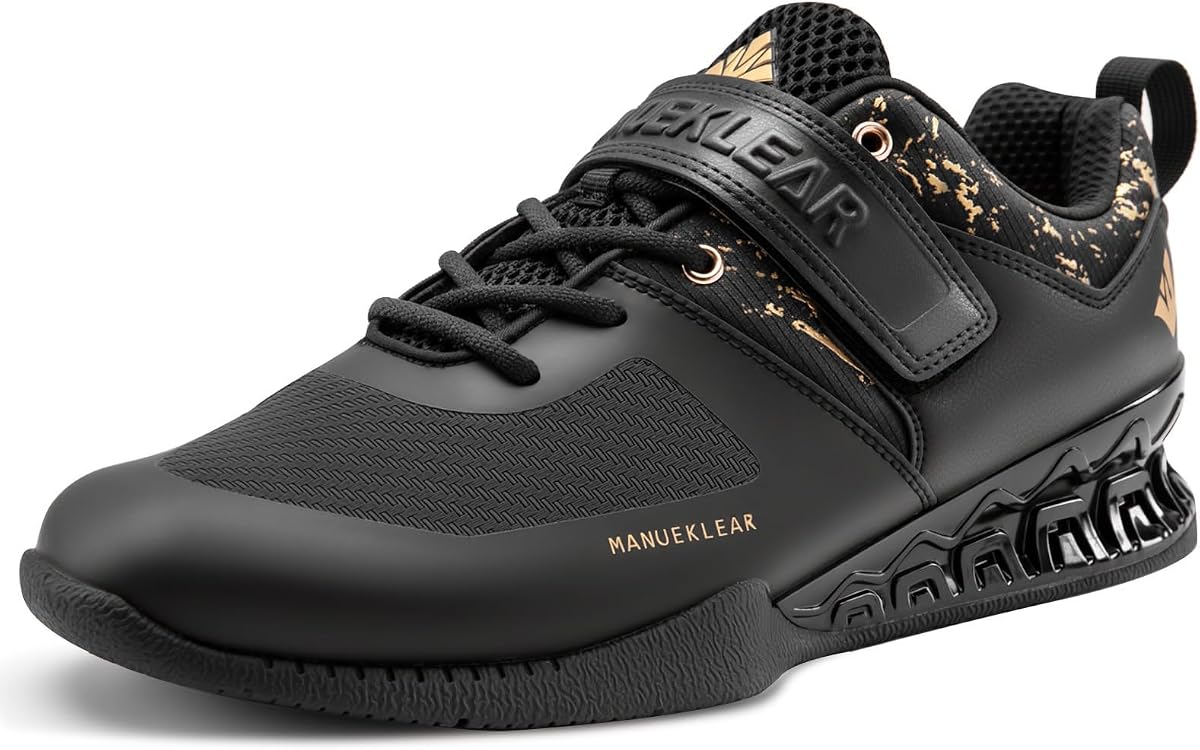
Squat Deeper, Lift Heavier: MANUEKLEAR Weightlifting Shoes Decoded
For lifters looking to maximize stability during squats and powerlifting movements, a dedicated weightlifting shoe is a game-changer. The MANUEKLEAR model, with its rubber non-slip sole and professional design, is engineered to provide the firm footing and heel elevation needed to improve your lifting mechanics. This guide breaks down the key factors to consider before adding these shoes to your gym bag.
Key Considerations Before Buying
- Fit and Sizing: Weightlifting shoes should fit snugly, like a glove, to prevent foot movement inside the shoe during heavy lifts. Many users note that MANUEKLEAR runs true to size, but if you're between sizes or plan to wear thick socks, consider sizing up for optimal comfort and lockdown.
- Heel Elevation and Sole Stiffness: The raised heel is critical for achieving proper squat depth and maintaining an upright torso. Ensure the heel height (typically around 0.6-0.8 inches) suits your ankle mobility; the stiff, non-compressible sole is non-negotiable for transferring power to the floor.
- Strap System and Upper Material: A secure strap system, usually a single or double velcro strap, locks your foot in place. The upper's material—often synthetic leather or mesh—affects breathability and durability. Look for a design that offers both support and doesn't dig into your instep during prolonged sessions.
What Our Analysts Recommend
Quality indicators include a solid, wide heel base for stability, a grippy rubber outsole that doesn't slip on gym floors, and reinforced stitching at stress points. The shoe's overall weight should feel substantial but not clunky, and the strap should hold securely under tension without stretching or tearing.
Fitness & Cross-Training Market Context
Market Overview
The market for dedicated weightlifting shoes has expanded beyond elite athletes to serious recreational lifters. With brands like Nike, Adidas, and Reebok dominating the premium segment, MANUEKLEAR offers a more budget-friendly alternative without sacrificing core features like a raised heel and rigid sole. This category is competitive, with consumers increasingly looking for durability and performance at a reasonable price point.
Common Issues
Common issues in this category include soles that delaminate after a few months, straps that lose their grip, and sizing inconsistencies between brands. Some cheaper models also compromise on heel stiffness, which can reduce stability and increase the risk of injury during heavy lifts.
Quality Indicators
To identify a quality weightlifting shoe, check for a dense, high-density rubber outsole with a patterned tread for traction. The midsole should be rigid, with minimal flex when you twist the shoe. Also, examine the heel counter for firmness and the overall construction for any glue marks or uneven stitching, which can indicate poor build quality.
Review Authenticity Insights
Grade B Interpretation
The B grade and 10% estimated fake review rate suggest that while the majority of reviews are genuine, a small but notable portion may be incentivized or inauthentic. This means the 4.67-star rating is likely slightly inflated, with the adjusted rating of 4.40 providing a more realistic picture of customer satisfaction. For this product, the authenticity analysis indicates that you can trust the general consensus on fit and performance, but be cautious of overly glowing reviews with vague details.
Trust Recommendation
Given the 10% fake review rate, we recommend reading a mix of positive and negative reviews to gauge potential issues. Look for verified purchase badges and detailed comments about specific aspects like heel height, strap tightness, and durability over time. If a review lacks specifics or sounds overly promotional, it may not be reliable.
Tips for Reading Reviews
When reading reviews for weightlifting shoes, focus on comments from users who mention their body weight, lifting experience, and the specific lifts they perform (e.g., squat, clean & jerk). This context helps you assess if the shoe's stability and support will match your needs. Also, pay attention to any recurring complaints about sizing or sole durability, as these are common deal-breakers.
Expert Perspective
The MANUEKLEAR weightlifting shoes appear to be a solid entry-level to mid-range option for lifters who need a stable base for squats and powerlifting. The high genuine review count and adjusted rating of 4.40 indicate that most buyers are satisfied, particularly with the non-slip sole and overall value. However, the 10% fake review rate and B grade warrant a cautious approach, especially if you're a competitive lifter who demands pinpoint performance. The shoe likely delivers on its core promise, but it may not match the refinement of premium brands.
Purchase Considerations
Consider your training frequency and intensity. If you lift heavy multiple times per week, investing in a more durable, higher-end shoe might be worthwhile. But if you're a beginner or occasional lifter, the MANUEKLEAR offers a cost-effective way to improve your squat mechanics. Always order from a reputable seller and check the return policy, as fit is critical.
Comparing Alternatives
Shoppers should compare with other budget-friendly options like the Adidas Powerlift series or the Reebok Legacy Lifter, which have established track records. The MANUEKLEAR may compete well on price, but ensure it matches your specific foot shape and lifting needs.


