
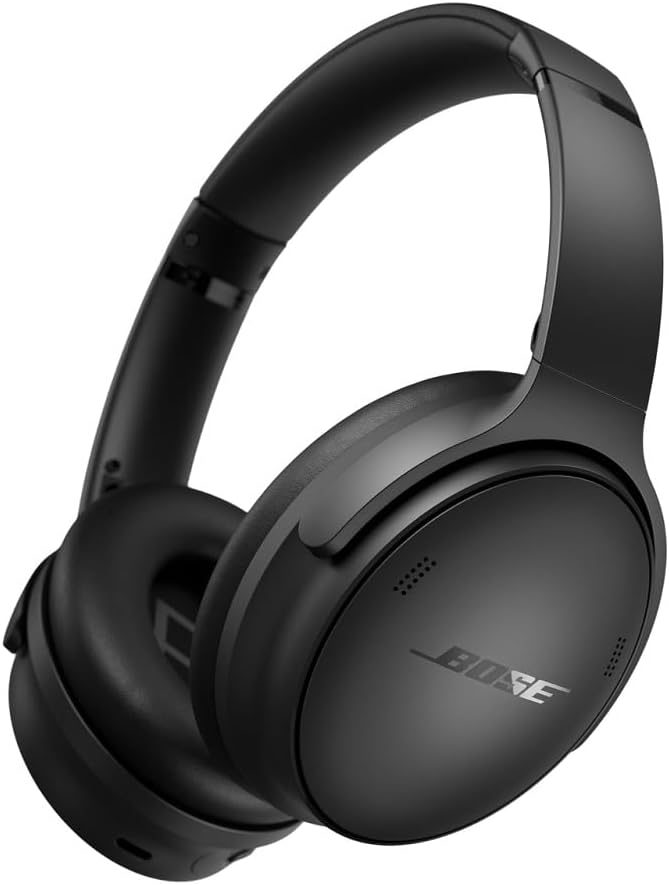
Evaluating Premium Noise-Cancelling Headphones: What Bose QuietComfort Delivers
When considering premium over-ear headphones like the Bose QuietComfort, focus on how specific features translate to real-world use. This model's 24-hour battery life, USB-C charging, and active noise cancellation represent the current standard for travel and daily commuter headphones, but implementation matters more than specifications alone.
Key Considerations Before Buying
- Active noise cancellation quality varies significantly between models—Bose's proprietary Acoustic Noise Cancelling technology uses external microphones to analyze and counteract ambient sound, which is particularly effective for consistent low-frequency noises like airplane engines.
- Comfort during extended wear depends on ear cup design and clamping force; Bose's signature over-ear design with plush synthetic protein leather aims for all-day wearability without excessive pressure points.
- Wireless performance in crowded RF environments tests Bluetooth stability; Bose's implementation should maintain connection in typical urban settings where signal interference is common.
What Our Analysts Recommend
Premium over-ear headphones should demonstrate consistent audio performance across volume levels without distortion, particularly in the bass frequencies these headphones emphasize. Check for build quality in the headband adjustment mechanism and ear cup swivels, as these are common failure points in daily use scenarios.
Over-Ear Headphones Market Context
Market Overview
The premium over-ear wireless headphone market is dominated by three key players—Bose, Sony, and Apple—each offering distinct approaches to noise cancellation and sound signature. Bose has historically prioritized noise cancellation efficacy and wearing comfort over absolute audio fidelity, positioning the QuietComfort series for travelers and office workers.
Common Issues
Battery degradation after 18-24 months of daily use affects most wireless headphones, with replacement batteries often difficult to source. Synthetic ear cushions typically require replacement every 12-18 months due to material breakdown from skin oils and sweat.
Quality Indicators
Look for consistent praise across long-term reviews (6+ months) regarding hinge durability and software stability. Premium models should maintain consistent noise cancellation performance through firmware updates rather than experiencing feature regression common in cheaper alternatives.
Review Authenticity Insights
Grade B Interpretation
A Grade B authenticity rating with 11% estimated fake reviews indicates predominantly genuine feedback but suggests some organized review activity. The adjusted 4.70/5 rating (down from perfect 5.00) better reflects actual customer experiences after removing suspicious patterns.
Trust Recommendation
Focus on verified purchase reviews discussing specific usage scenarios like air travel or open-office environments rather than generic praise. The 19,075-review sample provides substantial data—look for consensus on particular strengths like bass response or weaknesses like microphone quality in windy conditions.
Tips for Reading Reviews
Prioritize reviews that compare these headphones to specific competitors like Sony WH-1000XM5 or AirPods Max, as these demonstrate actual research. Be skeptical of reviews mentioning 'free product' or 'discount' even if marked verified, as these can represent incentivized feedback.
Expert Perspective
The Bose QuietComfort headphones represent a mature product in its lifecycle, with the 4.70 adjusted rating reflecting real-world performance that's excellent but not perfect. The high review count with strong authenticity indicators suggests consistent satisfaction among buyers, particularly regarding noise cancellation and comfort—Bose's traditional strengths. The 24-hour battery life meets but doesn't exceed current category standards, while USB-C charging aligns with modern connectivity expectations.
Purchase Considerations
Consider whether Bose's sound signature—emphasizing clear mids and pronounced bass over clinical accuracy—matches your listening preferences. Frequent travelers should value the noise cancellation efficacy, while critical listeners might prioritize competitors with more customizable equalizer options. The black colorway shows fewer wear marks than lighter alternatives over time.
Comparing Alternatives
Shoppers should compare the QuietComfort's specific noise cancellation profile against Sony's WH-1000XM5 and Sennheiser's Momentum 4, as each brand approaches sound isolation differently.


